
Commercial Roofing in Starke, FL
Inspect commercial roofs in Starke with property-specific access, drainage and repair plans for downtown businesses and regional logistics facilities.
Service Areas: Starke
Commercial properties in Starke need roof work based on the building's use and verified assembly. Starke is the Bradford County seat north of Gainesville and a regional logistics center along US 301. Its commercial core includes a historic downtown with local shops, restaurants and a movie theater. Starke's transportation history is tied to the railroad and US 301. For each building, we confirm the address and authorized contact, then inspect seams, drainage, flashings and edges before defining a scope. A commercial roof inspection provides a field record for the property.
Identify: Confirm the Building and Its Operations
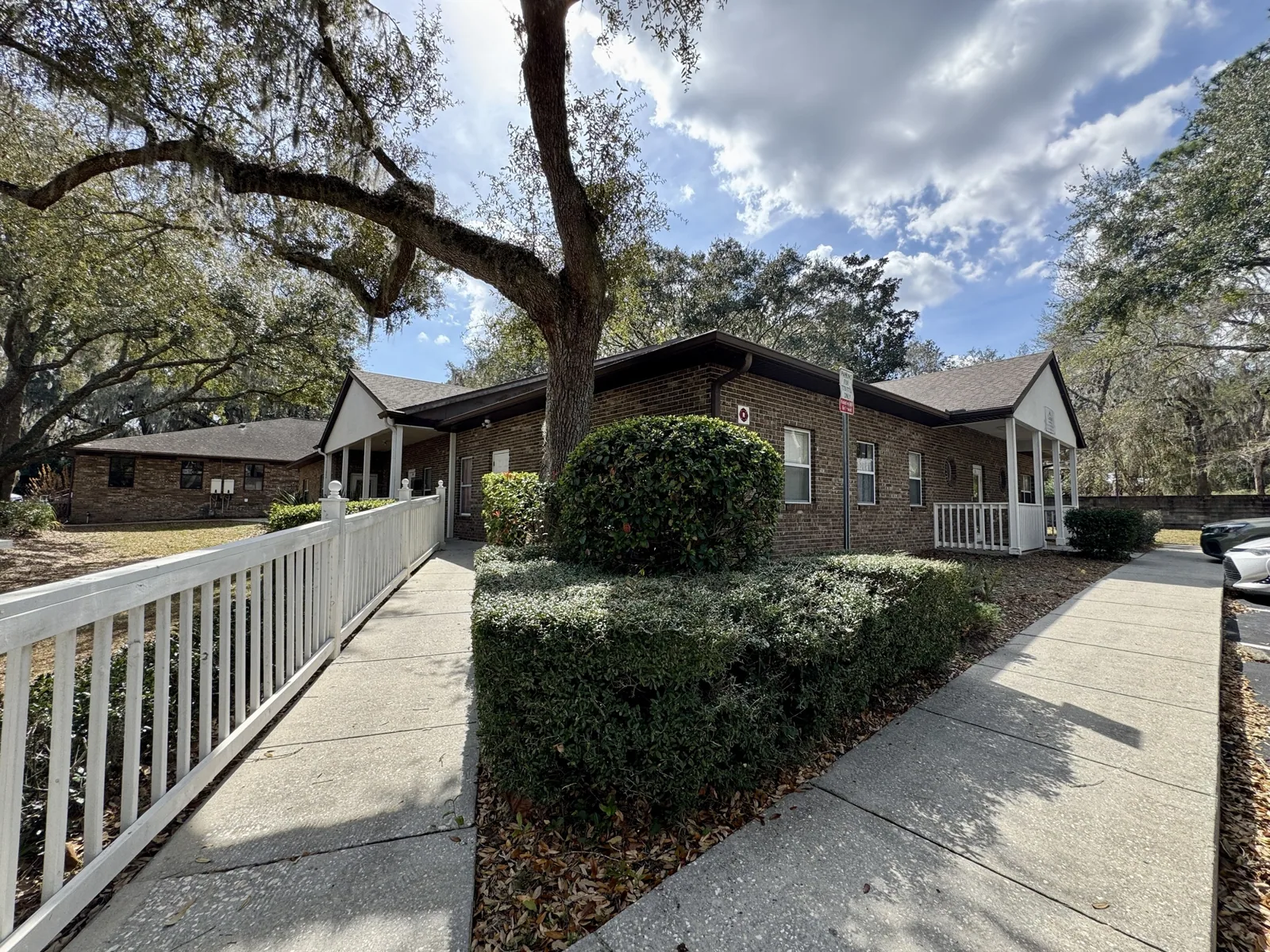
A downtown shop or restaurant and a logistics facility can have different access, delivery and occupancy needs. We ask the owner to identify the current use, roof responsibility, operating hours, active leak locations and any service vehicle routes. Available plans and repair notes can help locate roof sections, but the field walk confirms the material and existing details. We map the included area and list any adjacent section that was visible but not inspected.
US 301 serves regional logistics activity in Starke, and the railroad remains part of the town's transportation history. At a logistics property, the site contact confirms the current loading schedule, any active rail access and the delivery plan before roof work is staged. Work in Waldo or Archer follows a separate property record. A logistics facility roof review can consider loading operations when that use is confirmed.
Inspect: Follow Water and Wind at the Perimeter
We inspect roof seams, penetrations, flashing, drains, scuppers and perimeter attachment, then map how each section sends water to an outlet. At a low-slope assembly, we check membrane laps and drain transitions; at metal, we review panel joints, fasteners and flashing movement. A prior patch or service opening can redirect water, so we record it with the reported interior location. When the entry route is not visible, we describe the opening or survey needed to locate damp material and check the supporting deck.
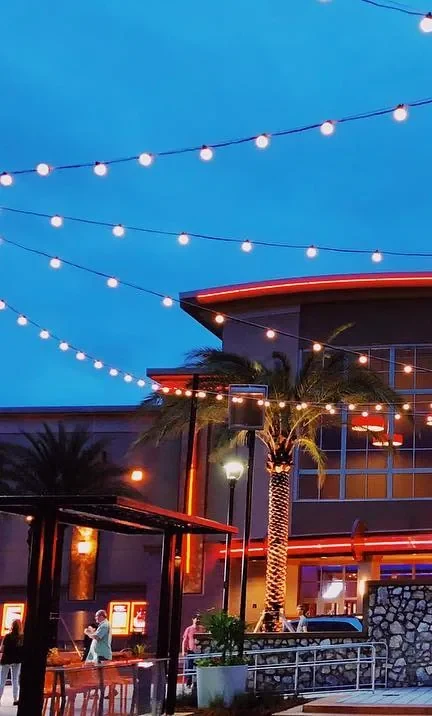
Starke's historic downtown includes shops, restaurants and a movie theater. For a roof serving an occupied business in that core, we confirm customer routes and hours, then inspect the actual materials, seams and exposed details. The site contact can request a storm follow-up after a specific event, and the report separates observed movement from untested concern. A wind damage review can document edge or panel conditions before a repair boundary is set.

Coordinate: Keep Deliveries and Customers Clear
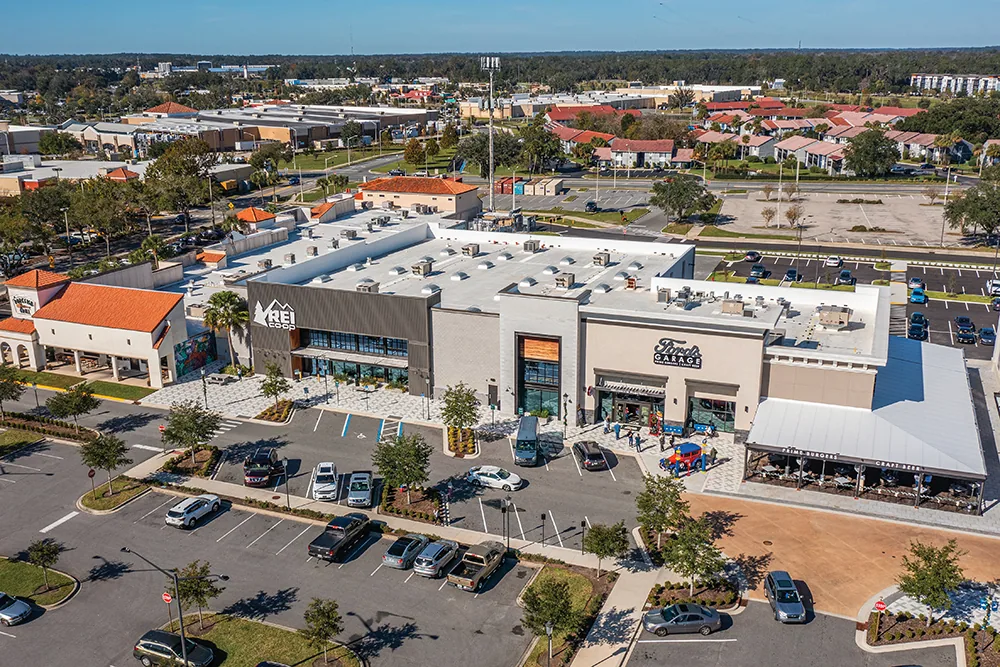
Before work begins, the site contact confirms roof entry, staging, delivery hours, service vehicle paths and areas that must remain open. For a downtown business, we plan barriers and customer access; for a logistics property, we confirm which loading areas cannot be blocked. We agree on notices and any interior protection, then identify who can approve a shutdown. Work proceeds by roof section, with temporary seams or openings secured at the end of each shift.
For a logistics property, the site contact identifies the loading route and staging area used for this project. An occupied-building sequence can organize access and tie-ins. For a building in Downtown High Springs, we confirm the work window with that property's site contact.
Compare: Scope the Repair or a Larger Renewal
A single puncture, open lap or failed flashing can be repaired if surrounding material remains suitable. Repeated leaks, widespread moisture, deck deterioration or multiple edge failures may make a larger replacement section more practical. We map verified issues and identify which test would resolve concealed conditions. For a recover, we review existing layers, attachment, substrate, drain height and perimeter transitions to make sure the new assembly will not leave a weak detail behind.
The roof map can show a replacement scope beside an isolated repair or a recover evaluation, with the tests and preparation listed for each. Cost and timing depend on system, preparation, access, moisture, deck work, staging and the operating window. We define the roof section, list interim coverage, identify items held out of contract and state which tests remain before final selection. When an urgent leak interrupts a business day, we can first define a safe temporary measure and identify who monitors it, then return for a permanent correction when the surface can be prepared correctly. That approach separates immediate water control from the larger decision about the remaining roof. Access, removal, dry-in and the operating schedule are all recorded as timing factors. That gives an owner a clear basis for deciding whether to correct one detail or plan a broader project.
Close Out: Record What Was Done
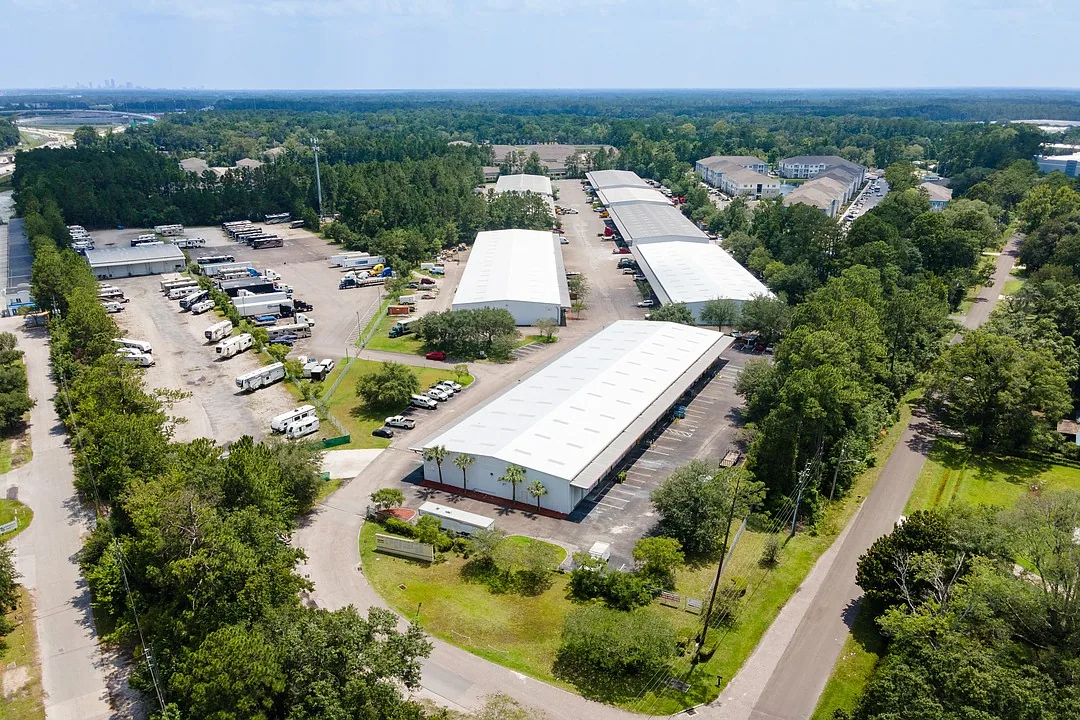
The handoff file associates each repair with a roof location and photo, then lists details reviewed and any remaining visit or test. The owner receives notes on the material, repair status, outlet review and locations that stayed beyond the approved access boundary. If the scope was temporary, the report names it as interim. That record helps a facilities or business contact match future leak reports with the same roof section.
Maintenance can review seams, drains, flashing, roof traffic and new equipment after work by other trades. A storm visit can compare fresh observations with the closeout photos. For older downtown roof sections, we also record parapet transitions, storefront equipment and any access limitation that could affect a later repair. We can arrange a maintenance visit on a schedule suited to the installed system and property access. For a later inspection in Micanopy, we start with that property's address, operating contact and roof history.
Starke serves as the Bradford County seat and a regional logistics center along US 301, with a historic downtown and railroad connections. A property may be a downtown storefront, a logistics or industrial building, or a business supporting nearby Camp Blanding; we confirm its current use and ownership rather than infer roof needs from location. Work planning starts with the delivery route, access contact and hours that keep business or loading activity moving. On the roof, we trace drainage and inspect transitions, fasteners and penetrations, then document any storm-related displacement. If the property has several structures, each receives a separate roof boundary and condition record. This lets an owner compare repair or renewal scopes with clear limits and maintain a useful history through future work.
When a roof serves active logistics or downtown storefronts, the work plan should account for vehicle movement and public entrances. The site contact identifies a safe staging location and the hours when access is available. We then record the section inspected and distinguish an active leak correction from deferred renewal work, so the owner can plan around daily operations.
Frequently Asked Questions
How do you plan roof work at a logistics property?
We start with the facility’s current loading schedule, delivery routes, roof access and staging limits. The contact identifies any active rail connection and the areas that must stay clear, then we phase work by roof section and secure the tie-in at each shift end.
Can you inspect both downtown and logistics properties?
Yes. We confirm the address, present use and site contact for each building, then keep its roof map and findings separate. Customer routes, truck staging and operating windows are planned from the actual facility requirements.
Can work continue while a downtown business stays open?
Often, when access and the work zone can be separated. We confirm customer routes, delivery hours, roof entry and interior protection with the site contact, then phase the repair so each shift ends at a secure stopping point.
What makes you recommend replacement instead of repair?
We look at moisture extent, repair history, deck condition, seams, edges and whether failures recur across sections. If the damage is isolated, repair may remain practical. Broader conditions can support replacement; testing and a marked plan show what evidence drives the recommendation.
Related Roofing Work
Request a Starke Roof Inspection
Send the address, current building use, roof records, active leak areas, authorized site contact and work hours. We will inspect the defined sections and document repair or replacement options.