Commercial Cool Roof Installation in Gainesville, FL
Evaluate reflective roof options for Gainesville buildings. We compare surface reflectance, insulation, roof condition, drainage and the planned system.
Commercial Roofing Services: Commercial Cool Roof Installation
A sun-exposed retail or industrial roof can absorb heat through its surface for much of a Gainesville workday. A reflective roof system may reduce the amount of solar energy absorbed at the roof, but performance depends on the assembly, insulation, surface condition and building operation. Gainesville recorded 133 days at or above 90 degrees in 2025. That makes roof heat worth evaluating, not a promise of a particular utility bill reduction. We inspect the roof, compare compatible options and explain which factors influence the result.
Evaluate: Match the Roof to the Building
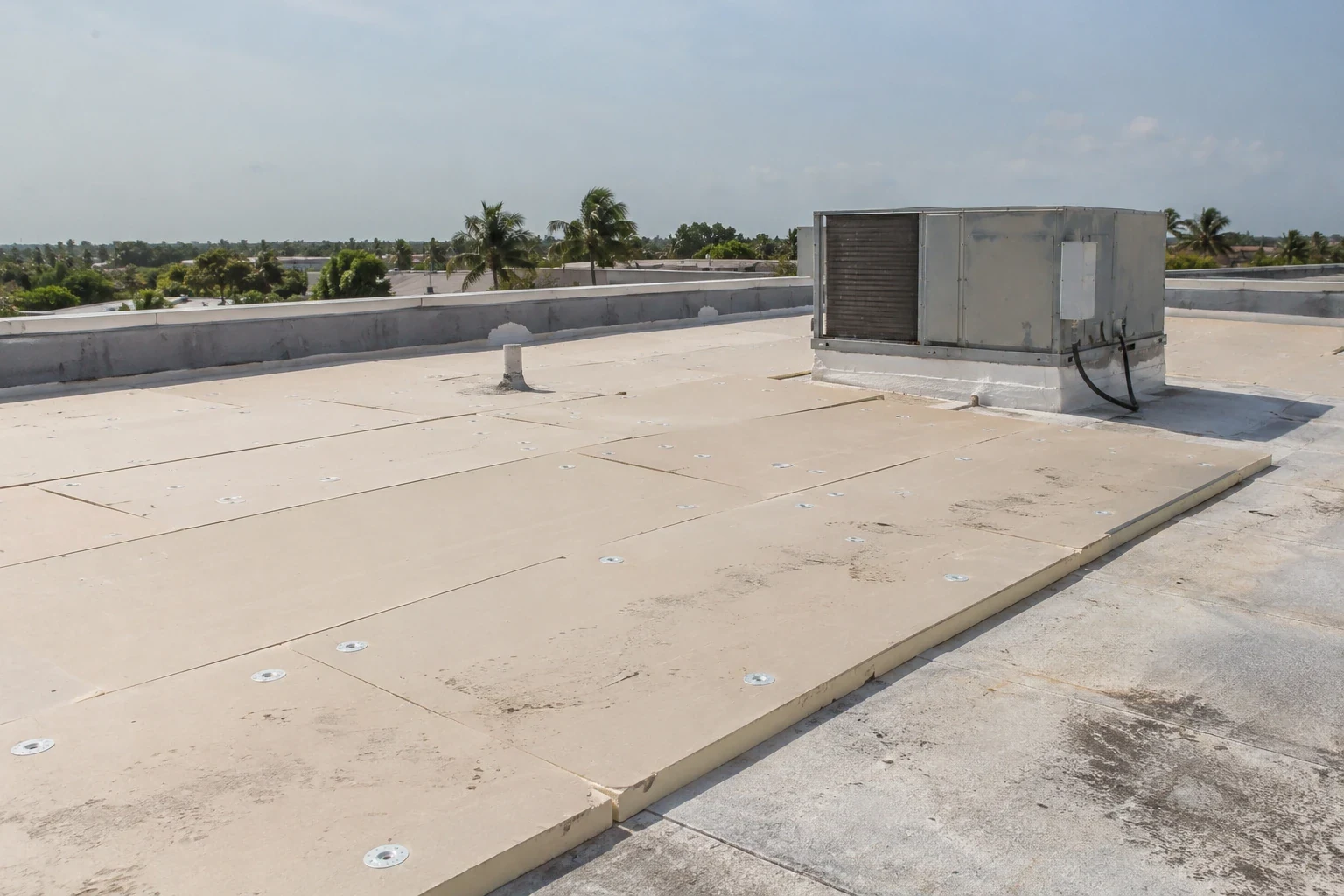
A cool roof is designed to reflect more sunlight and release absorbed heat more effectively than a darker surface. The surface property is only one part of the building's thermal performance. Insulation, air leakage, rooftop equipment, operating hours and the building envelope all influence interior loads. We review available roof records and observe the existing system before discussing a reflective option. If insulation is wet or the membrane is failing, the roof needs a repair or replacement decision before color becomes the main question.
Gainesville's high-temperature days create a useful local reason to inspect roof exposure and insulation continuity. In 2025, temperatures reached at least 90°F on 133 days; Gainesville's all-time record high is 104°F. The weather record does not predict savings at an individual property. We describe the roof conditions that can be changed and explain that energy outcomes depend on the whole building and how it is used.
Facilities in Airport Industrial Park, retail centers and research properties may have different roof areas, schedules and HVAC loads. Innovation Square’s planned research, office, residential and retail mix calls for a separate, property-specific review. Downtown Gainesville’s historic storefronts and pedestrian streets offer a different access context, so a field inspection still has to confirm each assembly and staging need. We confirm the building use and system rather than infer its operating pattern from the district. The facility contact can share utility or comfort concerns that should be considered alongside the roof inspection.
Compare: Surface, Insulation and Roof Condition
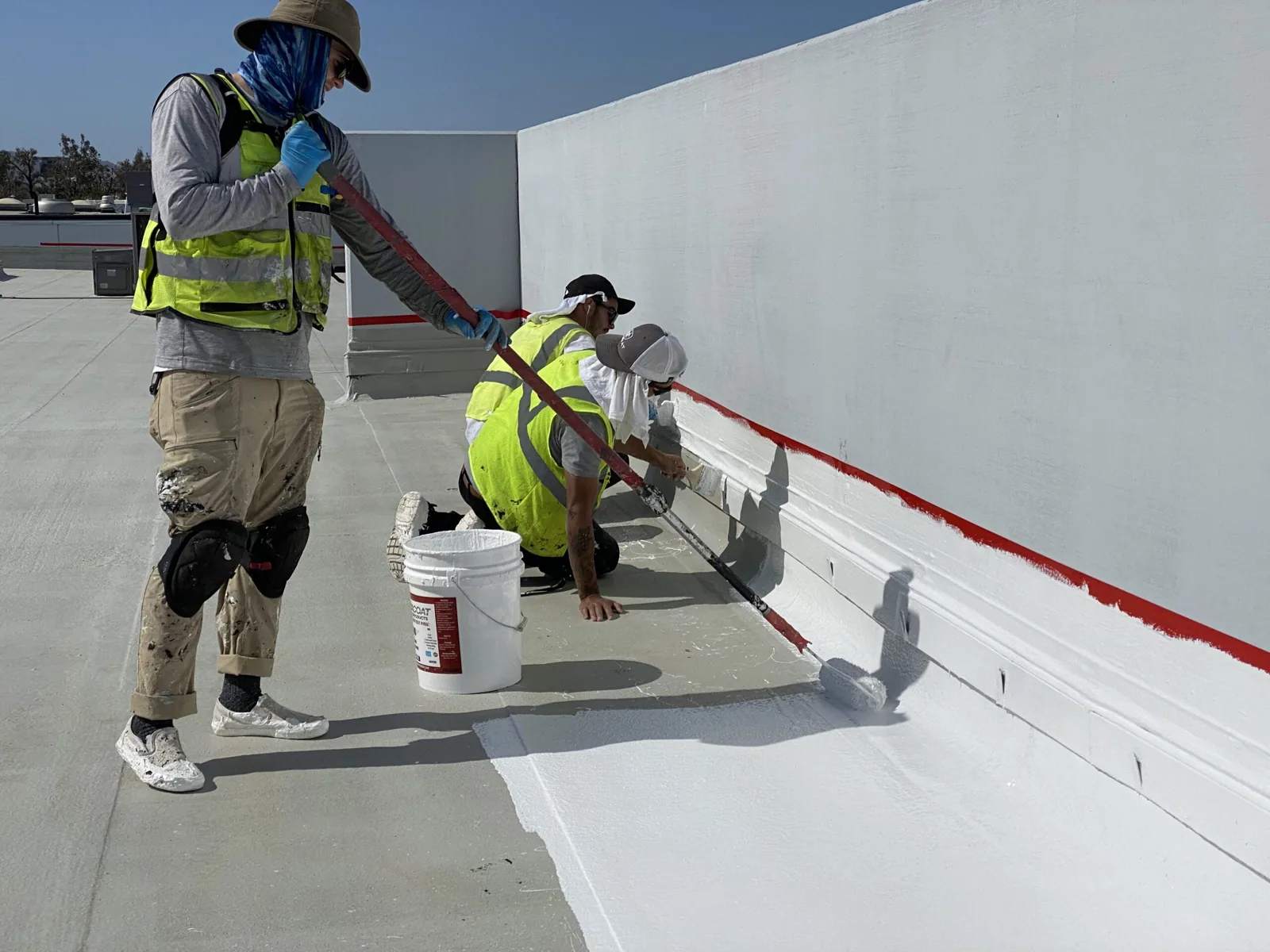
Reflective membranes and coatings are not interchangeable. A single-ply membrane has its own seam details and attachment requirements; a coating is applied over an existing compatible surface after repairs and preparation. A roof that needs new insulation may call for a different assembly than one where only the exposed membrane requires replacement. We compare the roof's current condition, drainage, penetrations and expected service needs before presenting a system.
Reflective white membranes are available in systems such as TPO roofing and PVC roofing. Product selection depends on the project specification, substrate, attachment, rooftop traffic and details. We do not assume that a reflective surface can be installed over any existing roof. If the roof has localized damage, a repair assessment may be enough; if the assembly is broadly worn, replacement planning can include the surface and insulation decisions together.
Roof coating can be an option on a sound, compatible assembly, but the existing materials must be dry and properly prepared. We inspect for adhesion concerns, wet areas and drainage issues first. A coating evaluation explains what needs repair or testing before a reflective restoration could proceed.
Design: Resolve Insulation and Drainage
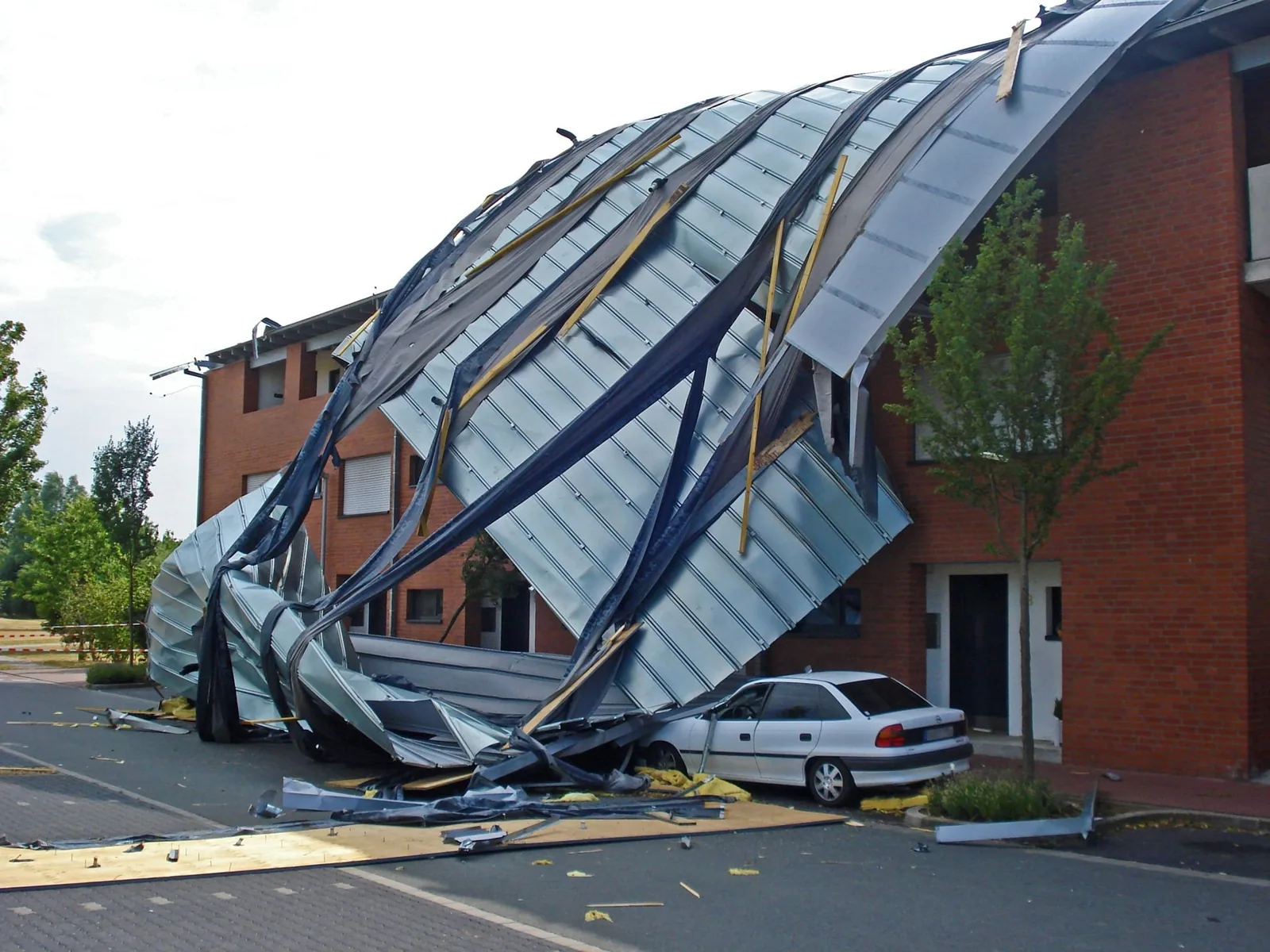
Roof insulation and cover board affect thermal resistance, membrane support and the finished roof height. A new layer can change how water reaches drains, curbs, scuppers and perimeter transitions. We check roof elevations, existing insulation, equipment clearances and available project documents before proposing a tapered or flat assembly. Structural capacity and code requirements should be confirmed through the applicable plans and qualified design review.
Gainesville's 2025 rainfall total reached 46.80 inches, with 3.06 inches falling during its wettest 24-hour period. This reinforces why a roof plan should account for rain drainage as well as surface reflectance. We identify low areas and blocked outlets during inspection; a reflective roof does not correct poor slope. A roof assembly review can address tapered insulation, cover board and moisture conditions when those layers are part of the project.
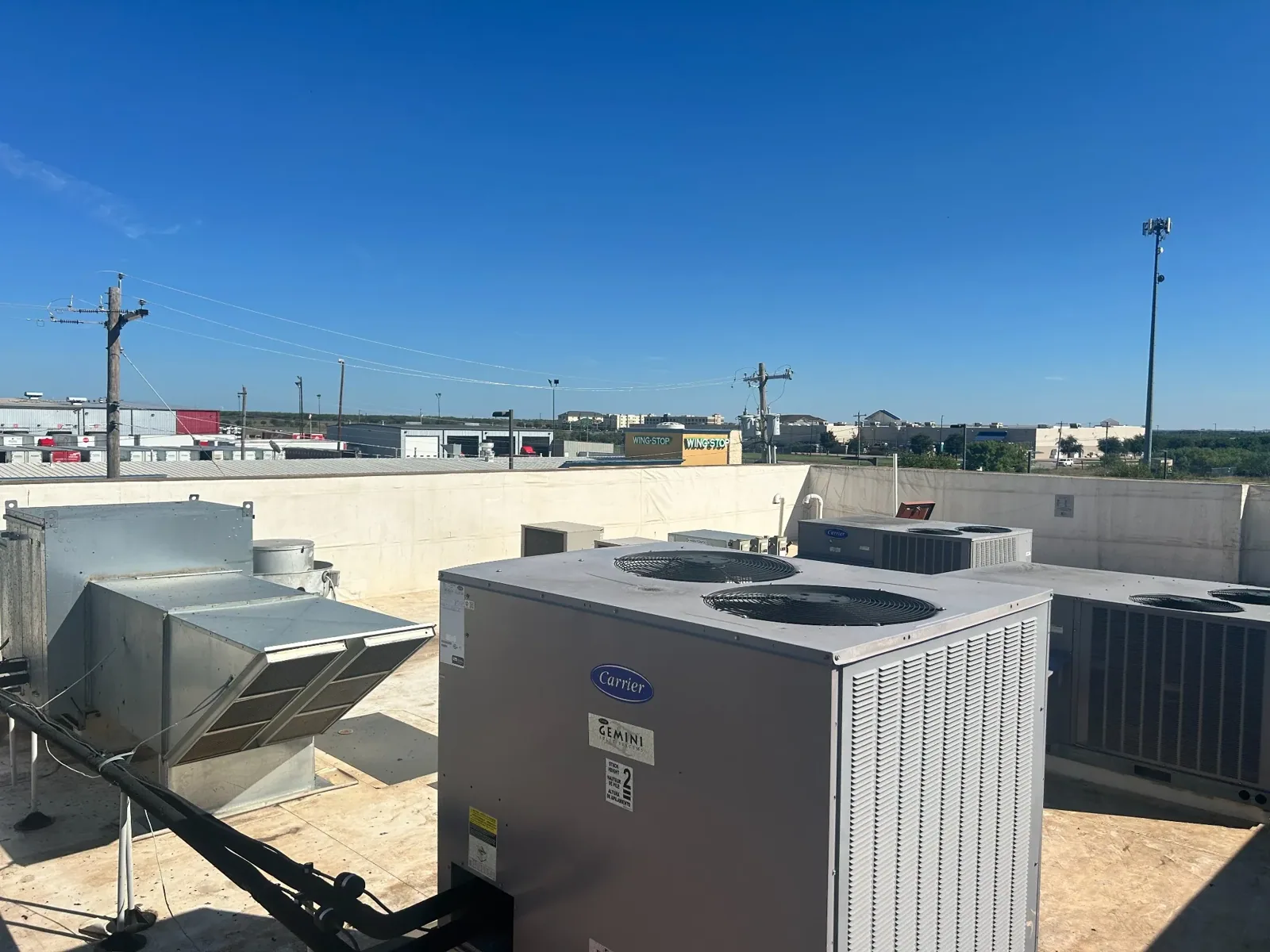
We also review how equipment, skylights and service paths interrupt the roof field. A unit's curb, a raised pipe support or a frequently used access route may need a specific detail or protection plan. The final specification should include these transitions so the reflective field does not become the only completed portion of the roof.
Install: Coordinate a Complete Roof Surface
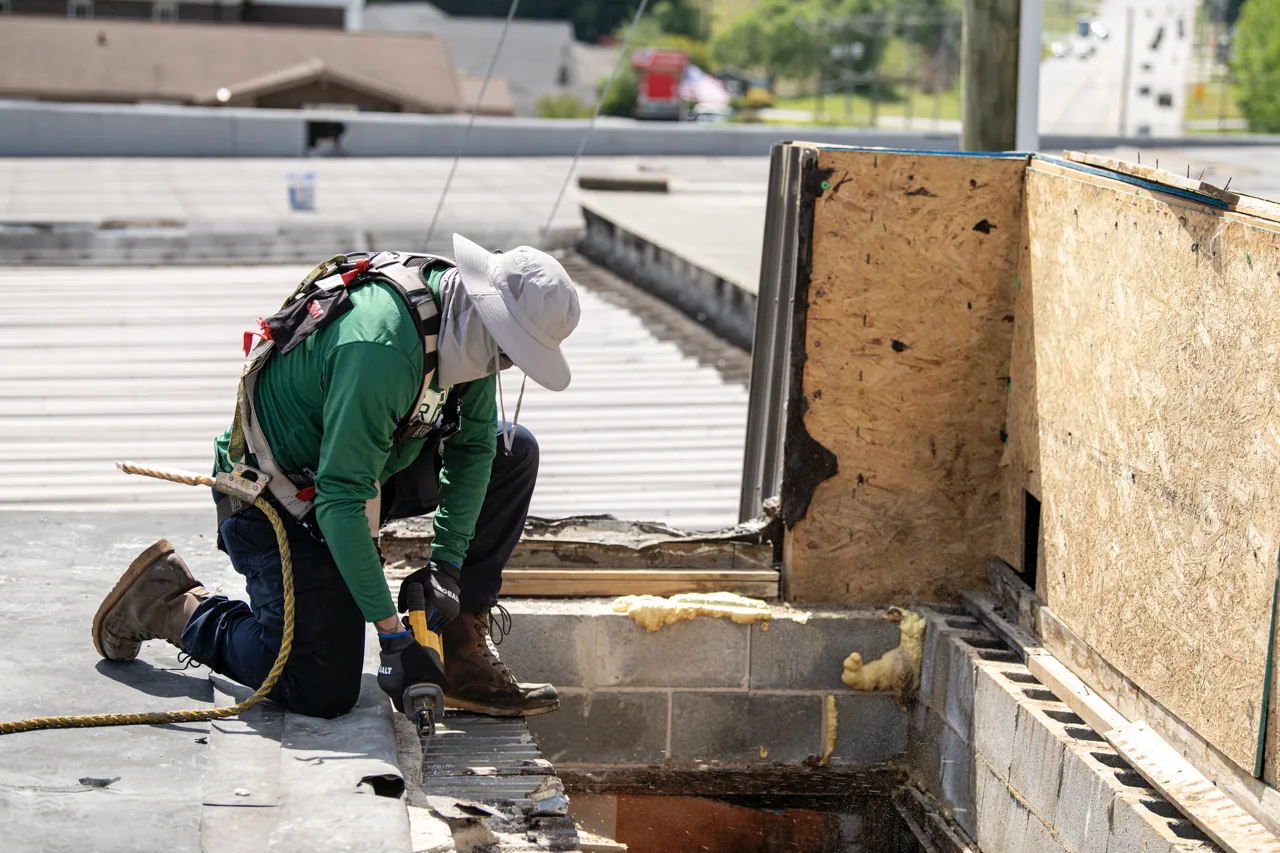
Installation begins with a protected work area and verified substrate. We remove or repair materials as specified, check attachment and prepare seams, penetrations, drains and edges before the new surface is installed. Membrane work includes field seams and flashing transitions; coating work follows its own surface preparation and application requirements. We identify stopping points for each shift so an exposed section can be protected if weather changes.
At Butler Plaza, a retail and dining property with active entrances and deliveries, staging must account for customer and service routes. Near Innovation Square, mixed-use and research operations may require separate access contacts. These locations illustrate different coordination needs; the project team verifies restrictions at the actual property before mobilizing.
Heat, rain, wind and surface moisture can affect installation conditions. We confirm forecast and roof conditions, then sequence work around the system requirements and occupied operations. If rain prevents a tie-in or application, we protect that area and adjust the schedule rather than leave the assembly exposed.
Measure: Set Practical Expectations
A reflective surface changes how the roof responds to sunlight, but the building's energy use also depends on insulation levels, HVAC efficiency, ventilation, occupancy and controls. We can document the roof materials and proposed surface but do not predict a percentage reduction in utility use from the roof alone. Where an owner needs an energy projection, the building's energy professional can evaluate whole-building inputs and expected operating conditions.
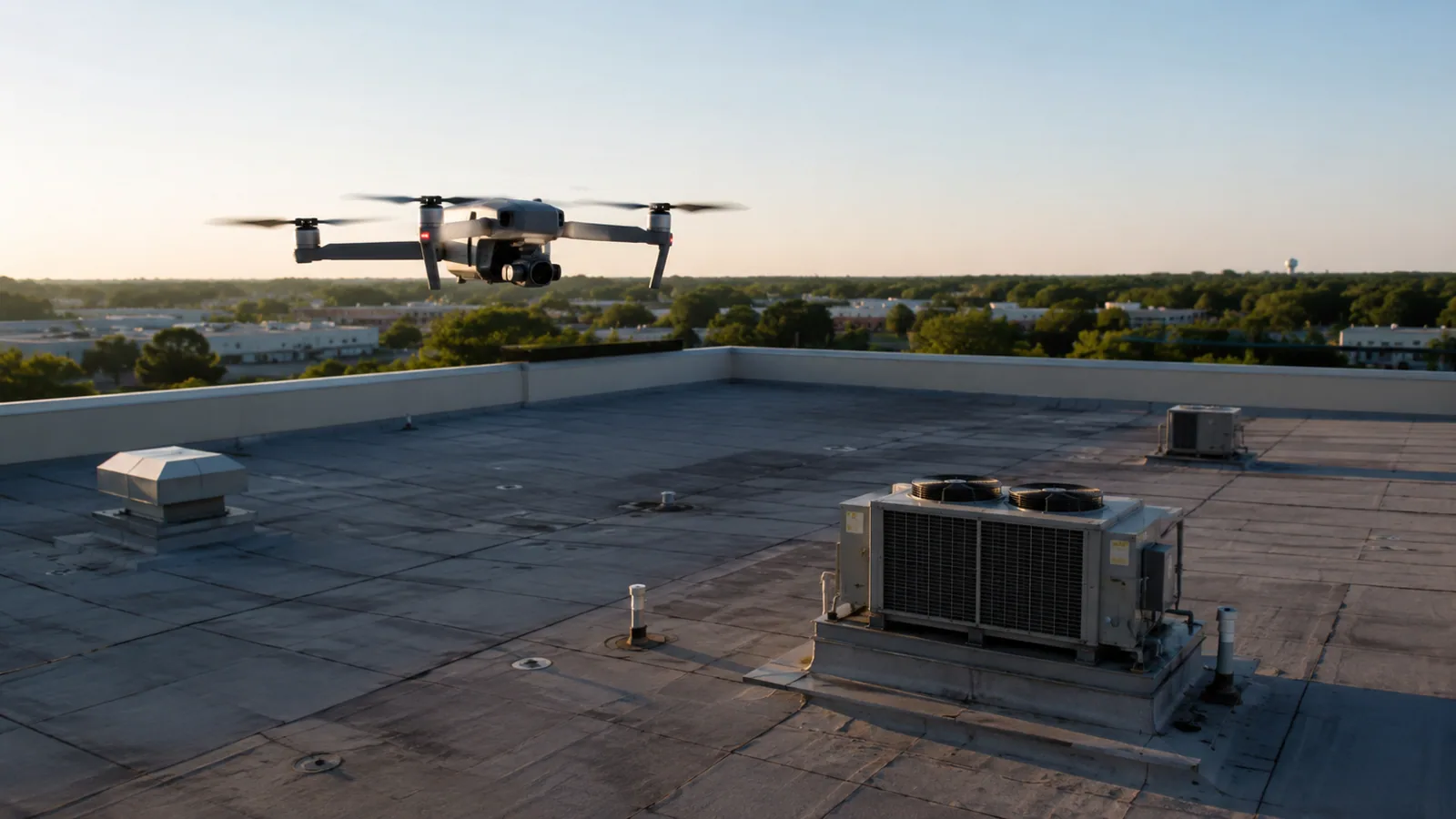
We can help track installed material, roof sections, repairs and product information in a closeout record. Photos and inspection notes give the facility team a basis for future condition checks. A capital planning review can compare roof scope, phasing and timing with other facility work.
For a Gainesville cool roof assessment, provide the property address, building use, roof records, current leak areas, site contact and preferred work period. We will inspect the existing assembly, identify insulation or drainage questions and compare reflective options that fit the building's requirements.
Reflective color is only one part of roof performance. The selected surface must be compatible with the existing membrane or new system, and the assembly still needs adequate insulation, sound drainage and complete flashing. A bright finish cannot correct wet insulation, open seams or low areas holding water. We compare restoration with replacement after checking whether the substrate is dry and the surface can accept the specified system. The evaluation can also consider equipment, interior schedules and future access, so the proposed roof work fits the property rather than relying on color alone.
Frequently Asked Questions
Will a cool roof lower our electric bill by a set amount?
We do not estimate savings from the roof surface alone. Insulation, HVAC equipment, operating hours, occupancy and controls also affect energy use, so a projection needs whole-building inputs.
Can a reflective roof go over our current membrane?
The existing membrane, attachment, moisture and surface condition determine whether a recover is suitable. We inspect the assembly and confirm system compatibility before including another layer.
Does a white roof eliminate the need for insulation?
No. Reflectance changes solar heat absorption, while insulation limits heat transfer through the assembly. We review both layers and any applicable project requirements.
How does Gainesville rain affect a cool roof project?
Drainage and installation conditions remain part of the design. We map outlets and low areas, and we schedule membrane or coating work around suitable surface and weather conditions.
Related Roofing Work
Compare Reflective Roof Options in Gainesville
Share the property address, building use, roof records, comfort or operating concerns, active leak areas, site contact and preferred work window. We will inspect the assembly and outline suitable reflective options.