
Commercial Roof Asset Management in Gainesville, FL
Build a usable Gainesville roof inventory with condition ratings, repair history and next actions tied to each building, roof section and operating need.
Roofing Capabilities: Commercial Roof Asset Management
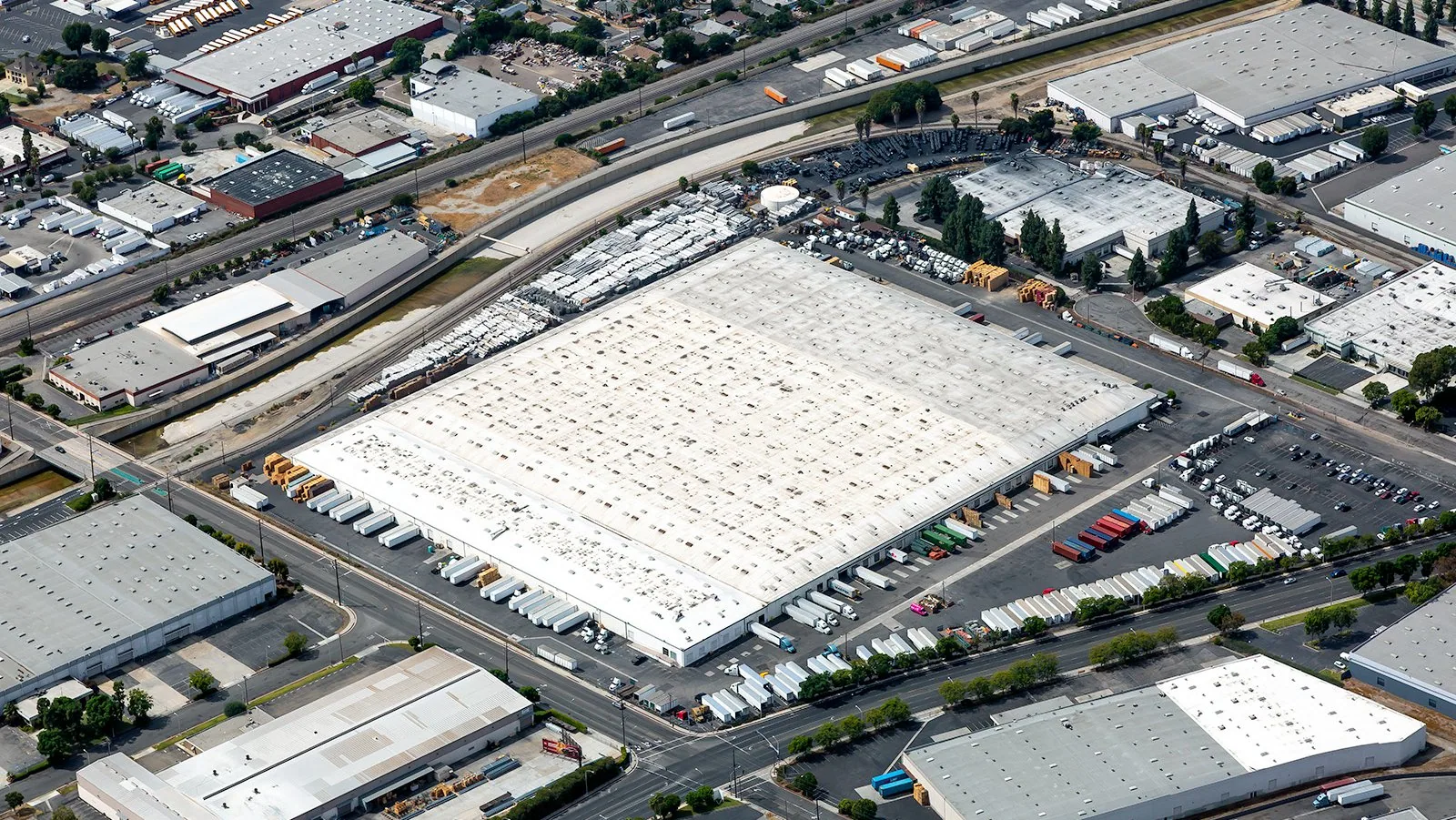
A university portfolio can include residence halls, laboratories and support buildings with different access rules and roof details. We start roof asset management by identifying each building and section, then matching available records to what an inspection can verify. At the University of Florida, more than 1,000 buildings sit across a 2,000-acre campus. Gainesville, FL, also has research space in Innovation Square and technology operations at the Gainesville Technology Entrepreneurship Center. A useful inventory keeps those properties distinct, so a repair note or leak report leads to the right roof and the right site contact.
Identify: Give Every Roof Section a Record
We build the register from property addresses, building names, roof plans, prior scopes, warranties supplied by the owner and field observations. Each record can include the verified roof type, approximate section boundaries, known drains and penetrations, repair history, current concerns and the date of the latest inspection. When a plan is incomplete, we label what remains uncertain instead of treating an old drawing as a current condition. A written condition report gives the asset record a dated field baseline.
Gainesville heat and heavy rain make the condition date useful. Gainesville recorded 133 days at or above 90°F in 2025, plus a 3.06-inch 24-hour rainfall total. That history supports recurring checks of exposed details and drainage; it does not rate a particular membrane. At a property in Innovation Square or within Airport Industrial Park, we record the verified assembly and observed condition for that building before assigning a rating.
Inspect: Connect Findings to the Building
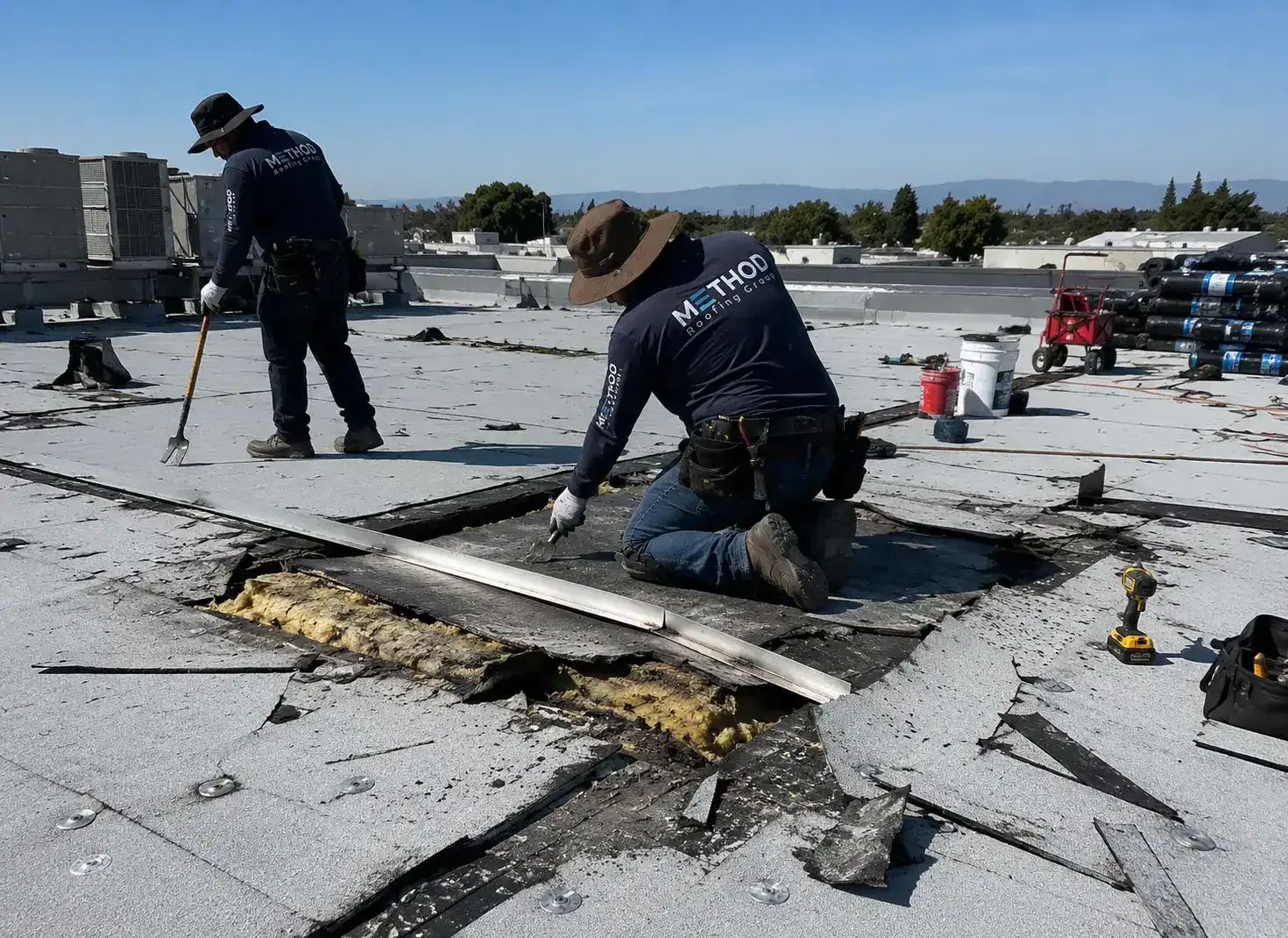
During a portfolio survey, we check the roof surface, seams, flashings, edge attachment, penetrations, drains and visible repairs. We map each observation to a roof section and photograph details that affect a repair or maintenance decision. A moisture survey or selected infrared roof survey can help locate suspected wet insulation; a test opening can confirm what lies below the membrane. The record separates visible defects from conditions that need testing, so a manager does not treat a concern as a measured replacement quantity.
Building use belongs beside the roof condition. A wet area above a clinical space in the UF Health medical district or a building in Innovation Square can call for different access windows and interior protection. The roof rating should therefore note the affected rooms, reported leaks, site contact and any access limits. For active water entry, our emergency repair response is available overnight, on weekends and holidays, while a permanent scope follows the inspection of surrounding materials.

Coordinate: Turn the Register into Follow-Up
An asset list becomes useful when each finding has an owner, an urgency and a next step. We can group open items as active repair, planned maintenance, further investigation or monitor, with the reason and next review date stated in the record. A drain that needs clearing should not sit beside a suspected deck issue as if both require the same project. The manager can use a maintenance visit to revisit recurring items and confirm whether earlier repairs remain sound.
Local weather records show frequent thunderstorms and heavy-rain days, so post-storm notes can be useful context for a portfolio review. After a storm, an updated roof note can distinguish a newly displaced edge or opening from an older item already in the register. Multi-building owners may also need a shared program across locations with a consistent field vocabulary. Our entries preserve the building-specific evidence while making follow-up easier to compare across the portfolio.
Compare: Set Priorities from Observed Risk
Condition scores can help sort a list, but a single number cannot replace the notes behind it. We explain what drives each rating, such as active leakage, widespread wet insulation, open seams, failing edge metal or an inaccessible roof area. The owner can compare repairs with recover or replacement planning using the verified assembly, affected area, access and building operations. A capital planning review can use those findings to organize likely work by timing and decision need.
For permit applications received from December 31, 2023, Gainesville applies Florida's 2023 eighth-edition building code. Project criteria and the proposed assembly still need to be checked for the specific scope. We note when a code or design question requires a separate review rather than treating the inventory as an approval. A targeted site visit can resolve a particular condition before it moves into a budget decision.
Close Out: Keep the History Usable
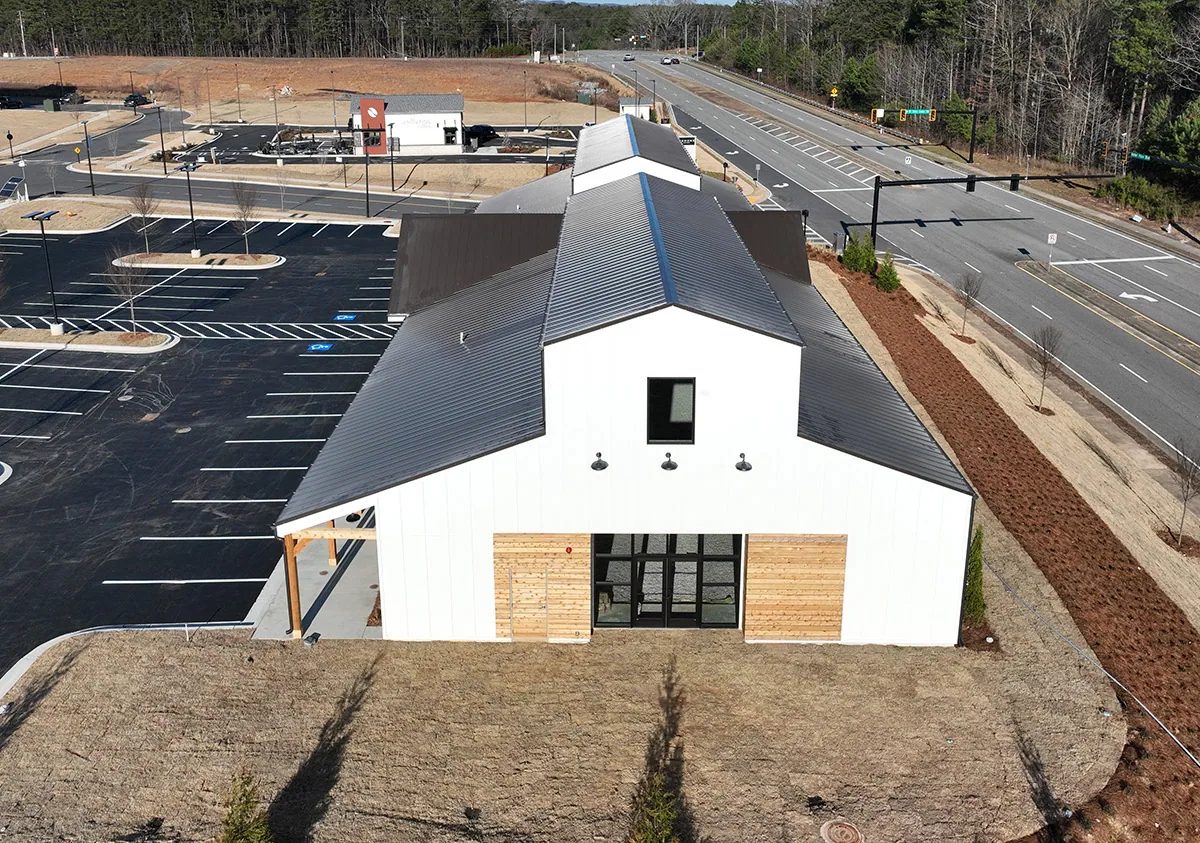
Each update should retain its date, inspection area, photos, work completed and open questions. If a section was not accessible, the record says what was missed and what would allow a return visit. After repairs, we add the installed materials and tie-in location so later staff can trace the work without rebuilding the history from scattered invoices. A warranty record can sit alongside the asset file, with the owner's documents and service notes associated with the relevant roof section.
For older properties, a handoff should preserve both the original roof record and any later changes to drains, curbs or equipment. When a roof section has been altered, we note the visible tie-in and identify whether the assembly beneath it is known or still needs confirmation. That distinction helps a future repair avoid relying on a plan that predates the current roof.
For a Gainesville portfolio review, provide the building list, available roof plans and records, known leak areas, site contacts and operating restrictions. We will inspect the selected properties, confirm what can be verified and return a roof inventory with condition notes and next actions. The useful measure is whether a facility manager can identify the roof, understand the finding and decide what to schedule. We can also flag records that need a site-level confirmation before the next budget cycle or planned maintenance window when appropriate.
A usable asset register needs a clear link between each roof section and its inspection history. We record the verified assembly, access point, drainage layout, known repairs, open moisture questions, and next recommended visit. At a portfolio with research space near Innovation Square and industrial property near Airport Industrial Park, managers may be balancing very different operating schedules. The register helps compare the work sequence without implying the systems have the same age or condition. When roof records are missing, we mark the gap and identify the inspection or test that would make the next decision more reliable.
We can also note which records transfer with the building and which still need confirmation from a former operator, so a new manager can distinguish an inherited file from a field-verified condition.
Frequently Asked Questions
What belongs in a commercial roof asset register?
We record each building and roof section, the system we can verify, inspection date, photos, known repairs, reported leaks, open tests and recommended next action. Owner-held plans and warranty documents can be linked to the same asset record.
Can you rate roofs when drawings are missing?
Yes. We map the sections we can inspect and identify uncertain system or boundary details. A test opening or additional access may be needed before a repair quantity or replacement area is final.
How does a portfolio rating help set priorities?
The rating summarizes condition, while the supporting notes explain urgency, consequence, and what evidence remains outstanding. We use those notes to separate an active leak from planned work or monitoring.
Can the records include repairs by another contractor?
Owner-provided invoices and closeout documents can be added with their dates and stated scope. We compare them with current field observations and label any item that cannot be confirmed from the roof.
Related Roofing Work
Plan a Gainesville Roof Portfolio Review
Send the building list, roof records, active leak areas, site contacts and access windows. We will map the assets, inspect selected sections and return findings tied to each building.