Commercial Roof Insurance Claim Assistance in Gainesville, FL
Organize roof inspection findings, photos and repair scopes for a Gainesville claim. Keep observations tied to the building and roof sections.
Commercial Roofing Services: Commercial Roof Insurance Claim Assistance
A roof claim for a Gainesville property needs a clear record of what was found, where it was found and what repair work addresses it. We inspect the roof, photograph visible conditions, map affected sections and prepare a repair scope that can support the owner's discussion with an insurer. For a claim, we inspect the building and record observed conditions, repair needs, and the roof sections tied to the reported event.
Organize: Start with the Property Record
Before the inspection, gather the property address, building use, roof plans, prior repairs, leak reports and the date the condition was first noticed. If several buildings are involved, identify each one and the roof section where water appeared. The site contact can help arrange access and note which interior areas or operations need protection. We use that information to plan a visit that follows the reported issue without treating a portfolio as one roof.
Insurance claims often involve records created at different times. A dated photograph, maintenance log, prior inspection or invoice may help establish what was observed before the current report. We can review owner-provided documents alongside current field findings and identify gaps that need another inspection. A prior leak does not prove the current condition has the same source, so we compare it with the visible roof assembly and the water path.
Gainesville recorded 82 heavy-rain days and a peak gust of 62 mph in 2022. We compare the reported event date with the property’s inspection and maintenance records.
Inspect: Tie Each Observation to a Location
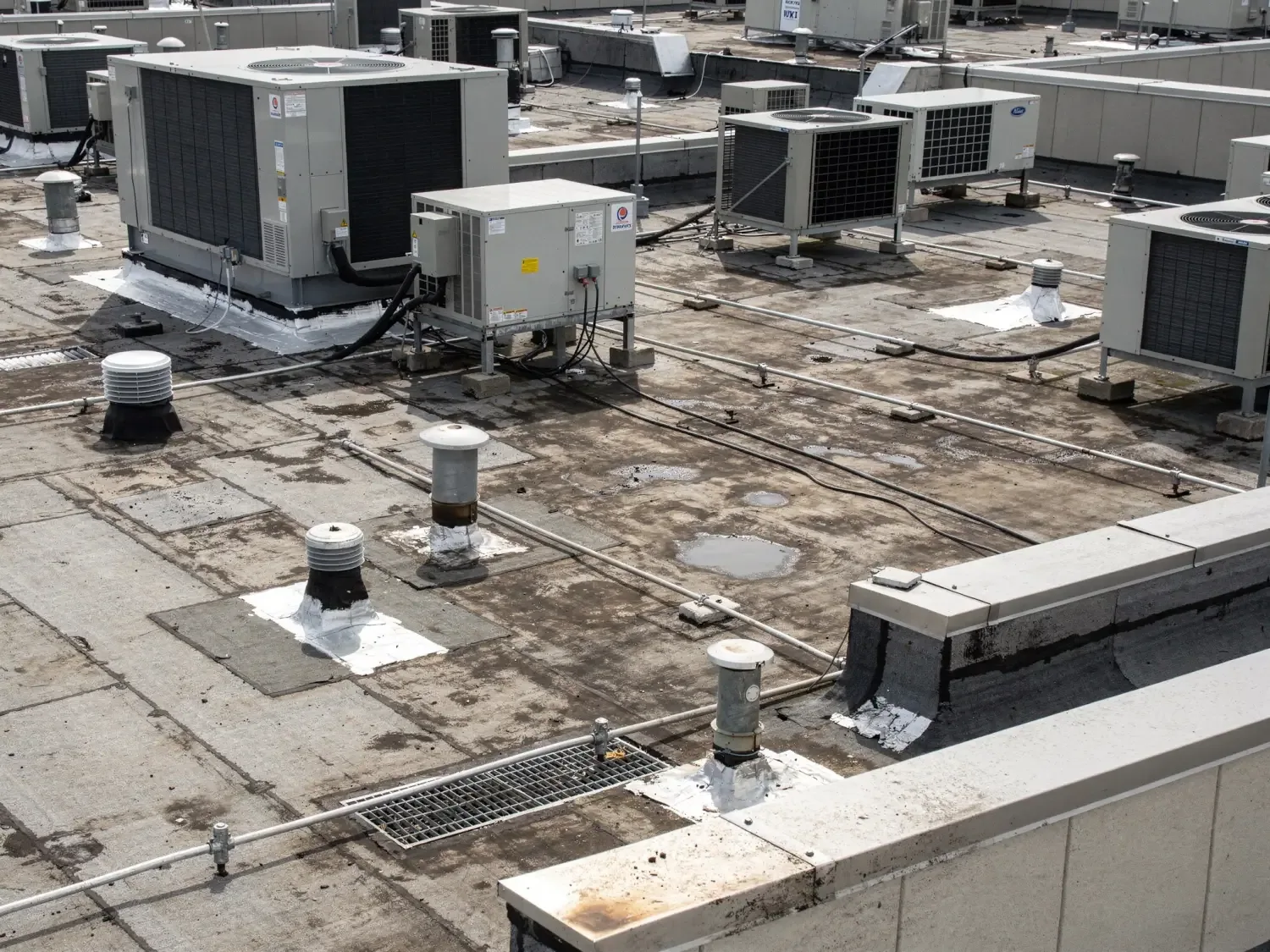
We review seams, flashings, drains, penetrations, curbs, roof edges and reported leak areas. Photographs should show context as well as detail, so a reviewer can identify which building and section is pictured. We mark observations on a roof plan or field sketch and note areas that are inaccessible, concealed or still need testing. A storm damage assessment can separate visible impact from wear or maintenance conditions when the roof shows more than one issue.
A ceiling stain can sit away from the point where water entered. We trace the likely route across the assembly and identify where the evidence supports a conclusion or where it remains uncertain. If hidden moisture affects the repair scope, infrared review or selected test openings may be appropriate. The moisture survey can map suspected wet areas, with direct openings used to confirm the materials at those points.
Storm reports in the region include a tornado near Paynes Prairie in Alachua County in December 2019 and hail recorded in Gainesville and east of Archer in 1997. We document current conditions, compare them with the owner’s timeline, and state which findings the inspection supports. A commercial roof inspection provides the field observations needed to prepare a measured scope.
Document: Keep Findings and Recommendations Distinct
The written record should distinguish observation from interpretation. We describe a lifted edge, puncture, open seam or wet test sample where it was found, then explain the repair needed for that condition. If the cause cannot be determined from available evidence, the report says so. This gives the owner a useful record without assigning a date, storm or failure mechanism beyond what the inspection supports.
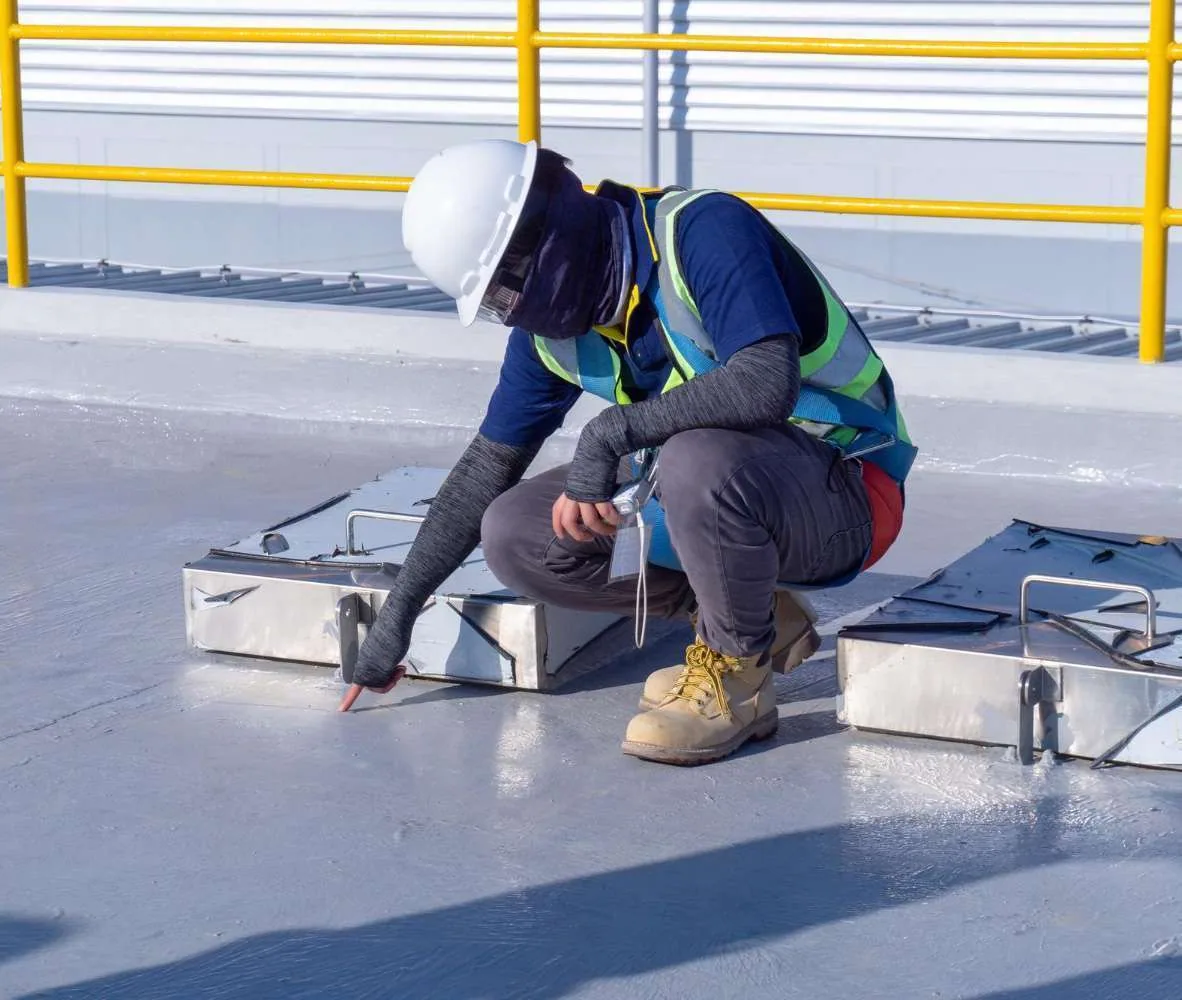
Photographs include roof location, date and relevant detail. The scope identifies affected materials, access needs, work limits and any related repairs required to complete the detail. If part of the roof needs additional testing, we show that as an open item instead of including an unverified quantity in the repair. A roof condition report can keep these findings organized with other facility records.
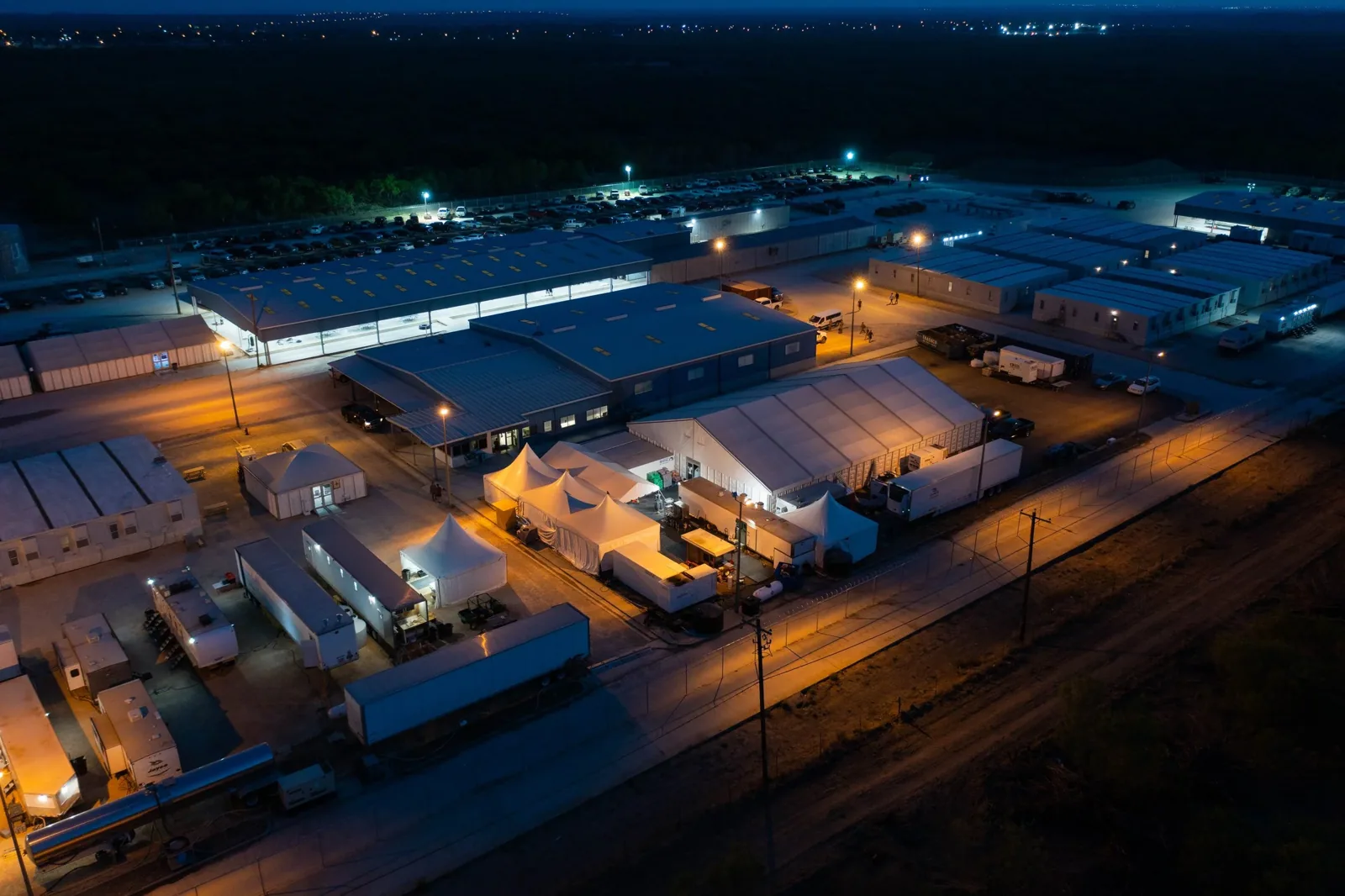
For properties along the Gainesville Regional Airport corridor or in Butler Plaza, multiple buildings and occupied uses can make photo labeling especially important. The location affects access planning and record organization; the roof condition is verified at each structure. We use separate building and section labels so estimates and photographs remain associated with the correct area.
Scope: Explain the Work the Roof Needs
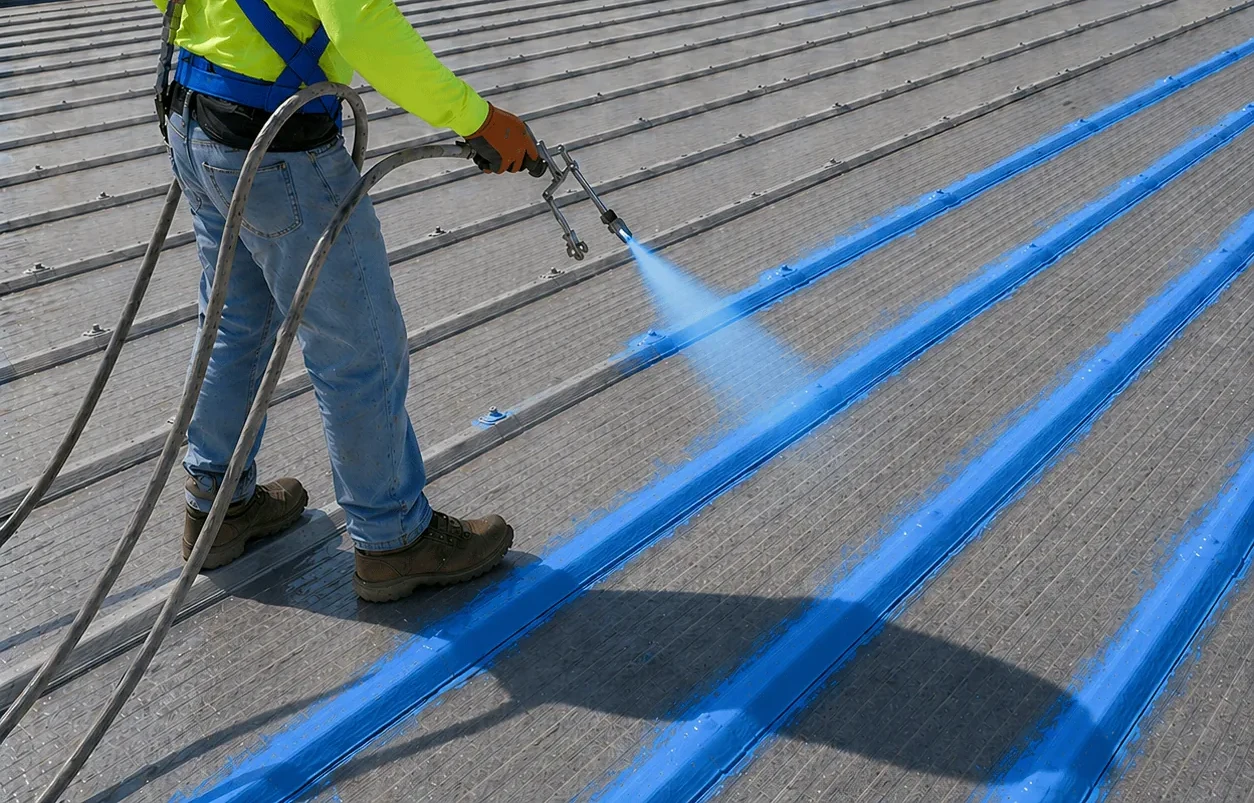
A repair scope states what will be removed, repaired, replaced or protected and how the completed detail will be checked. It should also identify the roof system and adjacent materials when they are known, along with conditions that could change after opening the assembly. We describe whether the work is localized or whether related deterioration requires a broader project. The estimate can separate immediate protection from permanent repair and identify any additional inspection that may affect final limits.
Repair cost and timing depend on roof system, affected area, access, material availability, weather and the amount of concealed damage found during work. When an assembly has not been opened, the estimate identifies quantities that may change after concealed conditions are exposed. If conditions differ once work begins, we document the finding and clarify the next scope step with the owner before proceeding.
A limited issue may be addressed with commercial roof repair. More extensive moisture or deterioration could make replacement planning appropriate. If the roof is otherwise suitable, a restoration assessment may be another option. The record supports those comparisons; an insurer's coverage decision remains a separate determination.
Coordinate: Keep the Claim Moving with a Clear Record
We coordinate inspection access and provide the owner with the findings and repair scope for their claim file. If a carrier representative or other reviewer will inspect the roof, the site contact can arrange a shared access window where practical. We can answer questions about our observations and explain how a proposed repair addresses them. The owner manages claim submission and communication with the insurer, while the inspection record remains focused on roof conditions and repair work.
On an occupied site, the visit and repair need a plan for entrances, deliveries, patient or tenant areas and equipment. We identify a contact for roof access and confirm which operations require a notice or protected route. Downtown Gainesville's storefronts and pedestrian grid differ from an industrial property, and the actual building layout determines staging. The same site plan should follow the inspection through repair and closeout.
Gainesville's 2025 precipitation report recorded a 3.06-inch 24-hour total. Heavy rain may make a leak active or change which areas can be safely inspected. We coordinate timing around actual conditions and note any area that could not be reached. If temporary protection is needed, the record distinguishes that work from the permanent repair scope.
Close Out: Preserve the Decision Trail
After repairs, the closeout record identifies completed work, materials addressed, photographs and the roof section where the repair occurred. It also lists any condition that remains open for testing or monitoring. That record helps the facility manager coordinate future maintenance and respond to questions about the work without relying on memory alone.
For a Gainesville claim review, share the property address, building use, known event date, roof records, leak areas, site contact and access window. We will inspect the affected sections and prepare a documented repair scope that the owner can place in the claim file. A follow-up maintenance visit can revisit repaired details after later weather.
Frequently Asked Questions
Who determines whether an insurance claim includes a roof repair?
The insurer determines policy coverage. We document roof conditions and prepare a repair scope for the owner’s claim file.
What should we have ready before the roof inspection?
Provide the address, building use, roof records, reported event date, leak locations, prior repairs and site contact. Those details help us plan access and connect findings to the right roof section.
Can you state that a specific storm caused the damage?
We describe conditions and compare them with the information available. We identify a cause only where the inspection supports it and mark uncertainty when the roof cannot establish timing or cause.
Will the inspection include a repair estimate?
We can prepare a scope and estimate from accessible, verified conditions. Concealed materials may require testing or opening before final repair limits can be set.
Related Roofing Work
Prepare a Gainesville Roof Claim Record
Share the property address, building use, reported event date, roof history, active leaks, site contact and access window. We will inspect the affected sections and prepare findings and a measured repair scope.