
Multi-Site Commercial Roof Programs in Gainesville, FL
Coordinate Gainesville commercial roof inspections, maintenance and repairs across buildings while keeping each roof's condition, access and history distinct.
Roofing Capabilities: Multi-Site Commercial Roof Programs
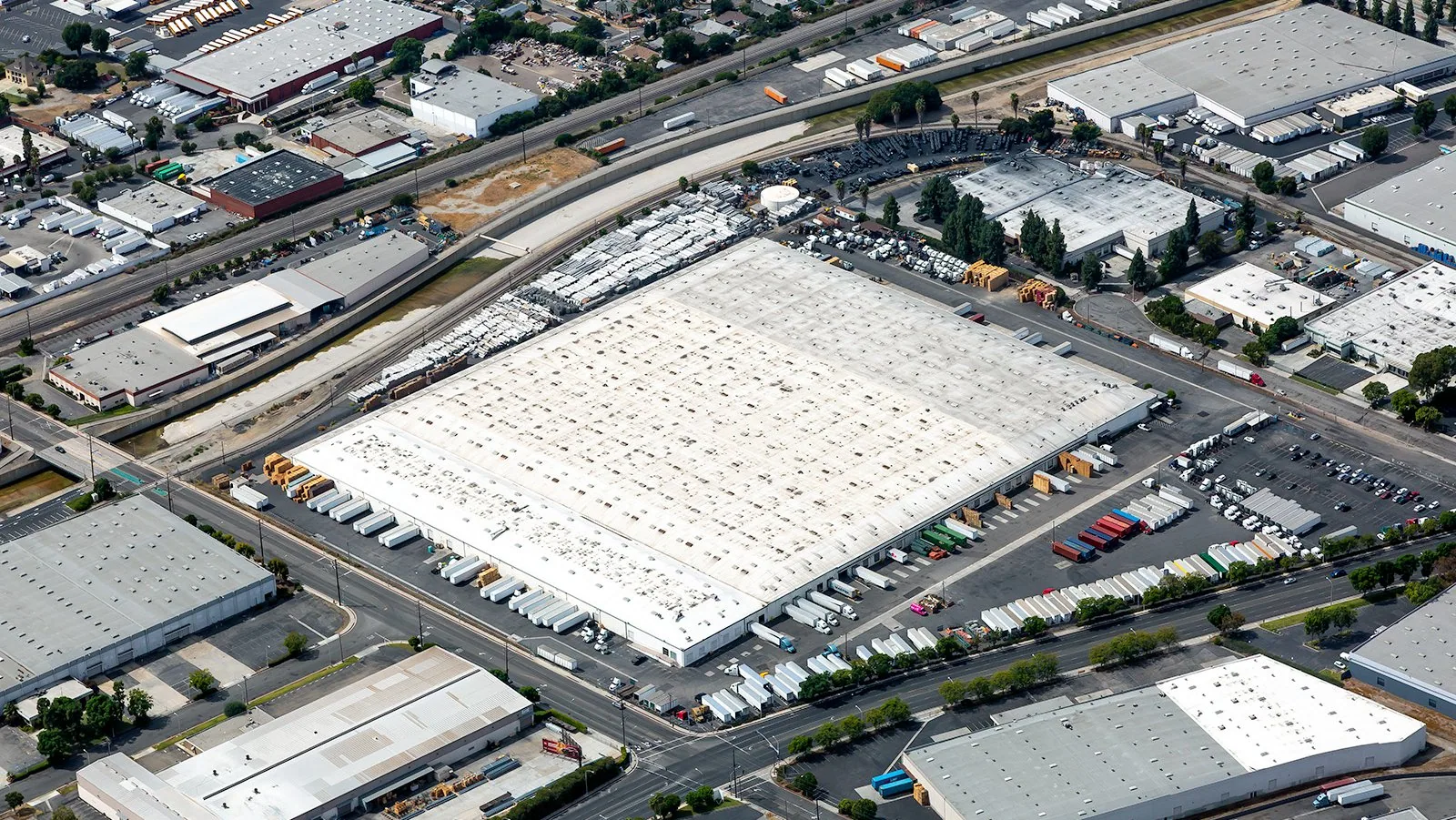
A facilities manager responsible for a campus and several off-site buildings needs one process that still respects each roof's differences. We set a program for inspection, maintenance and repair records, then keep findings tied to their own address and roof section. Gainesville, FL, has major institutional and research properties at the University of Florida and Innovation Square, with industrial sites near the airport and Alachua's Progress District along U.S. 441. A common reporting format can help compare open work, while local access and the verified assembly remain building-specific.
Coordinate: Set Shared Rules for Field Visits
We begin by agreeing on property identifiers, site contacts, access rules, roof safety information, reporting format and the way urgent findings should be escalated. The owner can supply a building list and note which facilities have patient areas, research equipment, deliveries, production or restricted entry. We confirm work windows for each location rather than assuming one schedule will suit the entire portfolio. A maintenance program can then group visits by geography without combining unrelated roof records.
Gainesville Regional Airport's access network includes Waldo Road and NE 39th Avenue, while the University of Florida campus spans about 2,000 acres and more than 1,000 buildings. Those figures help illustrate the scale of coordination in the market, not roof quantity or condition. Our visit plan identifies actual properties, routes and site contacts. For the UF campus and the airport industrial area, we confirm the access procedures with the responsible facility contact.
Inspect: Keep Each Roof's Evidence Separate
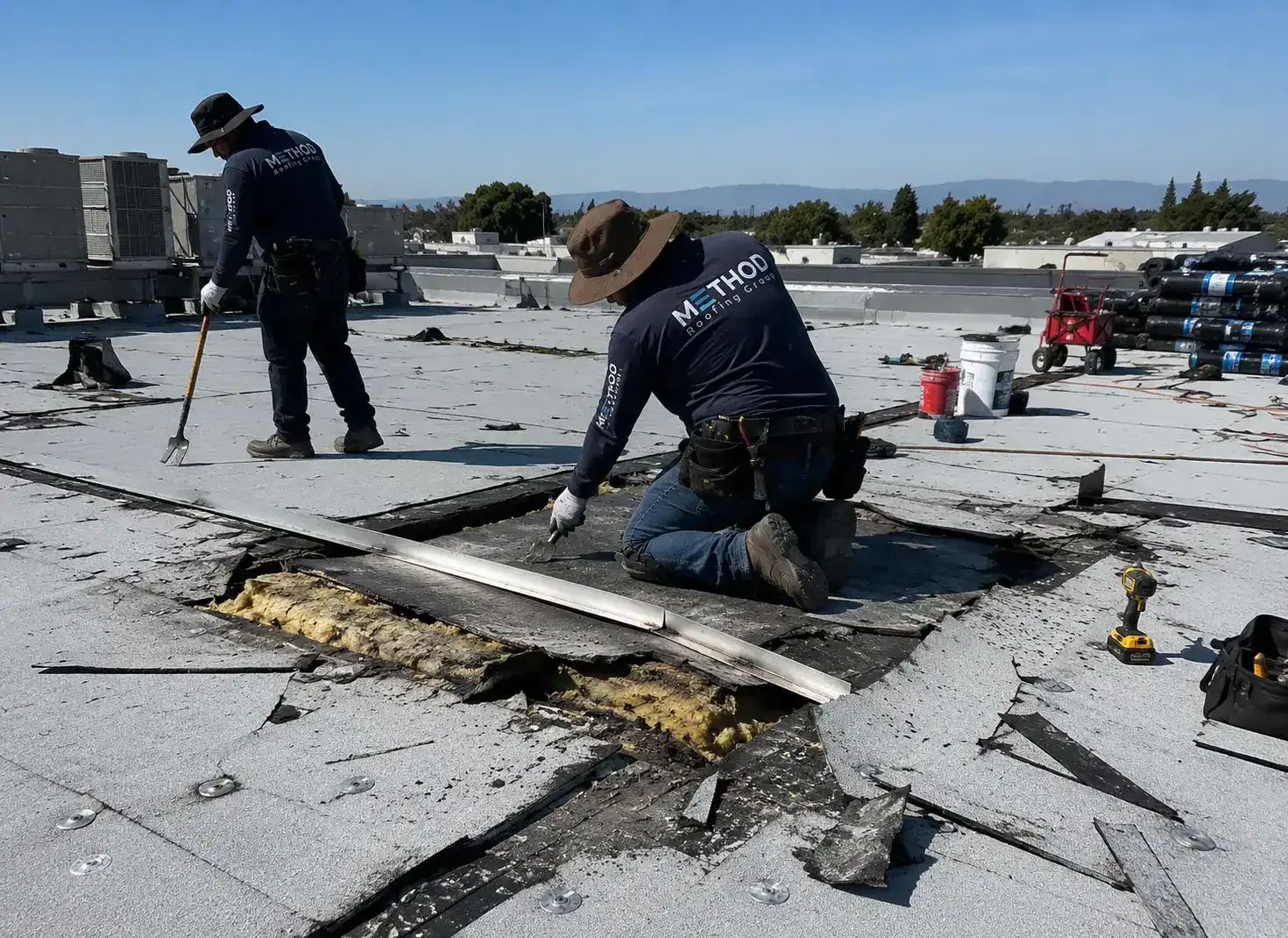
At every building, we verify the roof system as far as visible, map accessible sections, inspect seams and penetrations, check drainage and edge attachment, and photograph conditions that affect service. An owner may have TPO on one property and metal or modified bitumen on another. Each repair detail is matched to the verified system and substrate before compatible materials are selected. The condition report uses consistent labels but retains the photos, observations and limits for the property inspected.
Gainesville's 2022 record counted 104 thunderstorm days and 82 heavy-rain days. After a regional storm, a portfolio contact can request coordinated follow-up, but each site needs its own roof walk and findings. A blocked drain at a warehouse and a lifted edge at an office are different work items. When moisture may extend below a roof surface, a moisture survey or test opening can help establish where additional repair is needed.
Identify: Sort Work by Urgency and Owner
Shared dashboards or schedules are useful when they answer who owns the next action. We can categorize each finding as active leak, repair, maintenance, further inspection or monitor, and identify the site contact responsible for access or authorization. Each item retains a date and location. If water is entering now, our emergency response is available around the clock, including weekends and holidays; the report records stabilization separately from the permanent scope.
A useful portfolio view also shows where information is missing. One address may have a roof plan and repair invoices, while another may need a field map or test opening before quantities can be compared. The asset register can track those records by building, and a capital plan can group likely work by funding window after each roof has been evaluated. Shared categories make review faster without flattening the conditions into one score.
Schedule: Plan Work around Operations
Repair sequencing depends on access, material availability, roof height, surface condition, weather and the operations below the work area. A retail site near Butler Plaza may ask for work clear of customer entrances, while a property in Innovation Square can require its own research-tenant access window. We confirm each site contact, staging area and work window before dispatch. If a roof replacement requires several phases, the sequence shows where crews stop with the roof protected and which section remains open for follow-up.
When properties sit in different municipalities or use separate gate procedures, the calendar should list the person who can release each roof area. We confirm whether a crew needs an escort, lift coordination, an interior notice or a loading-area restriction before assigning the visit. A shared schedule can show these dependencies in one place while leaving each site contact responsible for local approval.
Summer heat and heavy rainfall affect surface preparation, adhesion and the period a roof can remain open. The owner receives notice if weather changes the proposed visit or limits inspection. We can reschedule the affected building while keeping other approved visits moving. A phased reroof plan can set section boundaries for occupied properties; a storm follow-up can document new observations after a weather event.
Close Out: Maintain One Useful History
After each visit or repair, we return the dated findings, photos, work completed, materials used and unresolved items under the correct building name. If a roof could not be fully accessed, we note the limitation and the return condition. The program owner can review a portfolio summary while local contacts retain the detail they need for a specific property. A warranty file can be updated with the service record when owner documents apply to that section.
Portfolio reviews can use a short status meeting after a group of visits. We summarize completed inspections, urgent repairs, pending access, documents still needed and work awaiting a separate estimate. The meeting does not replace property-level notes; it helps the owner decide which contact or funding action is due next. If a condition changes between visits, the report retains its date so the new observation is not confused with an older finding.
To start a Gainesville multi-site program, share the property list, roof records, active leak areas, contact tree, operating constraints and desired visit cycle. We will confirm the scope with the site representatives and build a schedule that keeps inspection, repair and capital decisions connected. Each location gets a usable record of what was found, who owns the next step and when a return visit is needed.
A multi-site schedule should reduce repeated setup while preserving each building's own work record. We group inspections by travel area, then keep access instructions, findings, photographs, repair approvals, and open testing tied to the individual property. A run from Innovation Square to Progress Corporate Park can cover different roof uses in one planning cycle, but not under one blended scope. The portfolio contact can set a common reporting format and priority rules; site staff still confirm roof access, tenant or process restrictions, and emergency contacts at each address. That structure makes regional comparison practical without losing building-level detail.
A shared emergency contact list and a consistent storm follow-up window help staff report damage quickly while keeping dispatch decisions tied to the property that needs attention.
Frequently Asked Questions
Can one maintenance schedule cover different roof systems?
A shared calendar can coordinate visits, but the inspection steps follow the verified assembly at each property. We keep system-specific findings and repair recommendations attached to the correct building.
How do you handle a leak at one site during a portfolio visit?
We route the active issue through the agreed site contact and access procedure. Emergency stabilization can be arranged at any hour, then documented separately from permanent repairs and routine inspections.
Can we compare condition across all buildings?
Yes, with common categories and ratings supported by building-level observations. The comparison retains the roof system, photos, access limits and evidence behind each recommendation.
What information is needed to start?
Send addresses, roof plans, prior reports, known leak locations, site contacts, access restrictions and any required escalation steps. Missing records can be listed and collected as the program develops.
Related Roofing Work
Coordinate a Gainesville Multi-Site Roof Program
Share the property list, roof records, active leak reports, site contacts, access restrictions and preferred maintenance cycle. We will build a coordinated schedule and keep findings separate by building.