Grocery Store Roofing in Gainesville, FL
Coordinate Gainesville grocery roof repairs around refrigeration, receiving hours, food areas, drains, rooftop equipment and store access requirements.
Property Types We Roof: Grocery Store Roofing
A refrigerator case alarm or ceiling mark can put a grocery manager on alert before the source is clear. We first identify the affected aisle, stockroom, prep area, or refrigeration equipment, then coordinate roof access with the receiving schedule. In Gainesville, FL, high heat outside and heavy rain put roof drainage and penetrations under regular stress. We verify the existing assembly and trace the reported condition, while store staff identify food areas and equipment that need protection during inspection.
Store Areas and Refrigeration Equipment
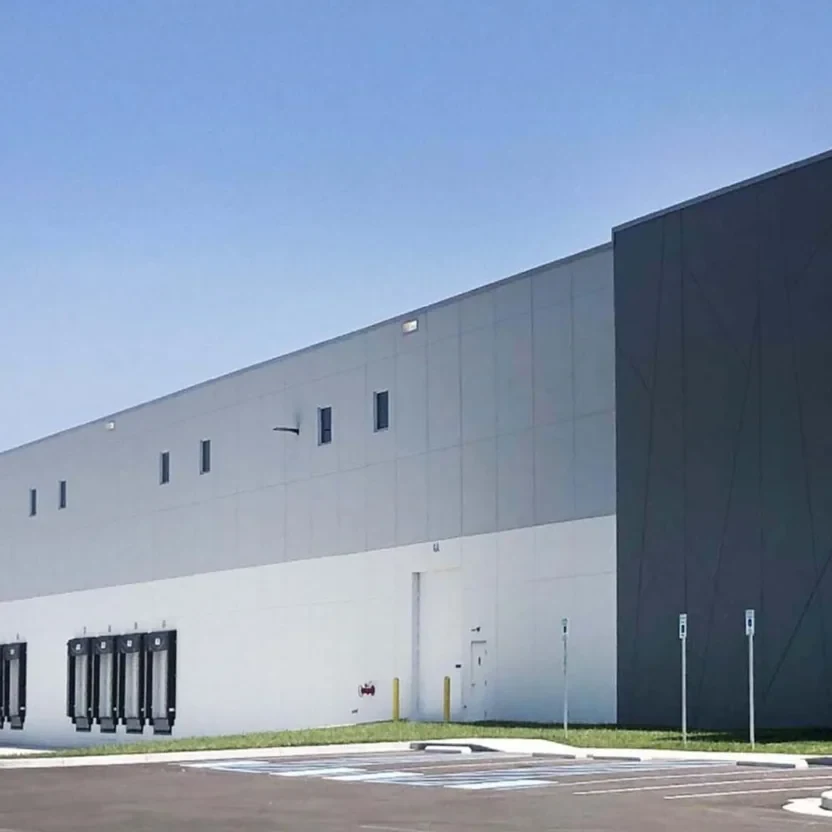
A grocery building can include sales aisles, walk-in coolers, freezer rooms, loading docks, kitchens, offices, and rooftop mechanical units. We ask where moisture or a temperature change was reported and whether the issue follows rain, refrigeration cycles, or service work. The roof inspection checks seams, curbs, drains, pipe penetrations, and flashing above those spaces. The manager can use the marked roof plan to tell whether the repair sits over a food area, receiving bay, or equipment room.
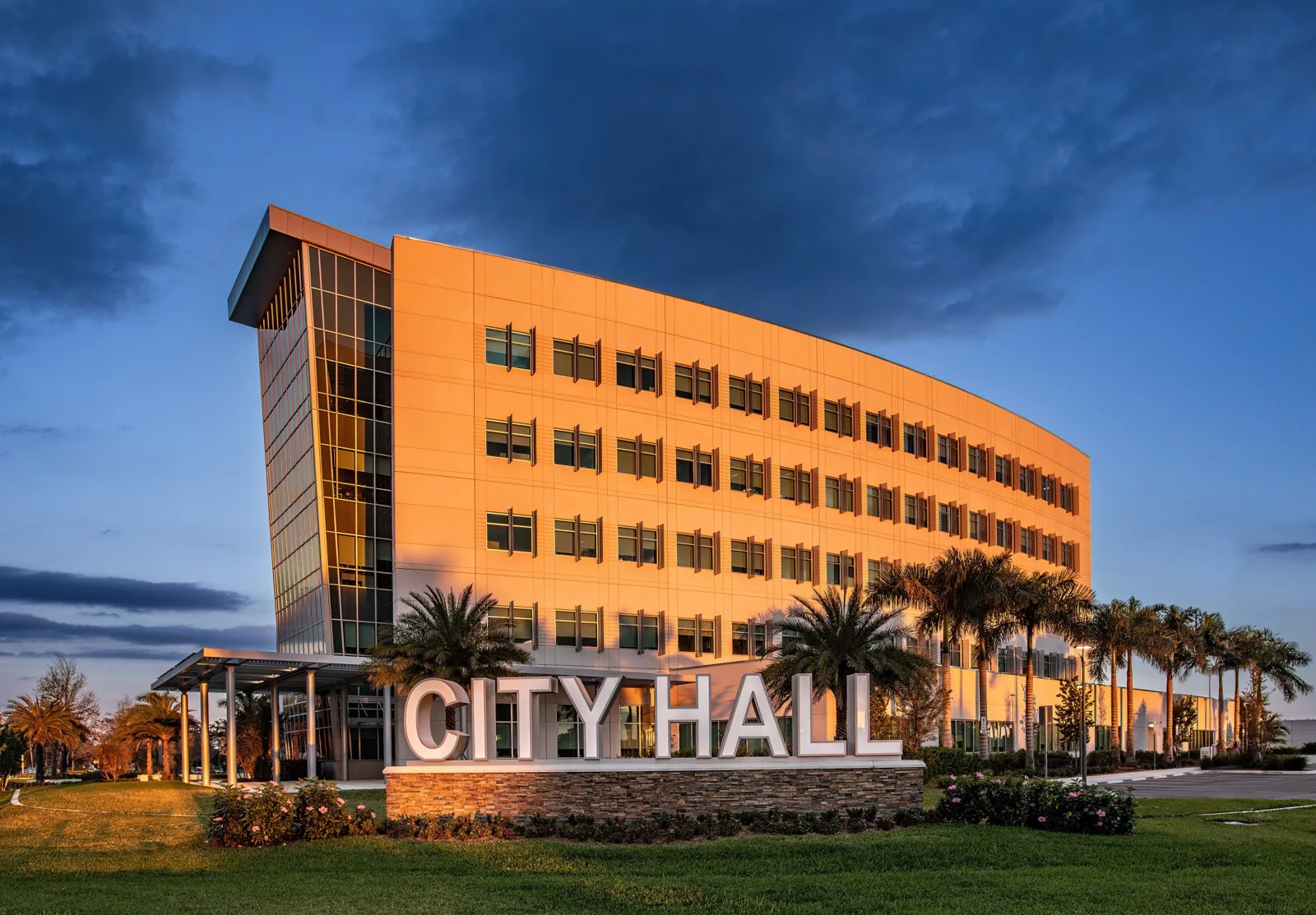
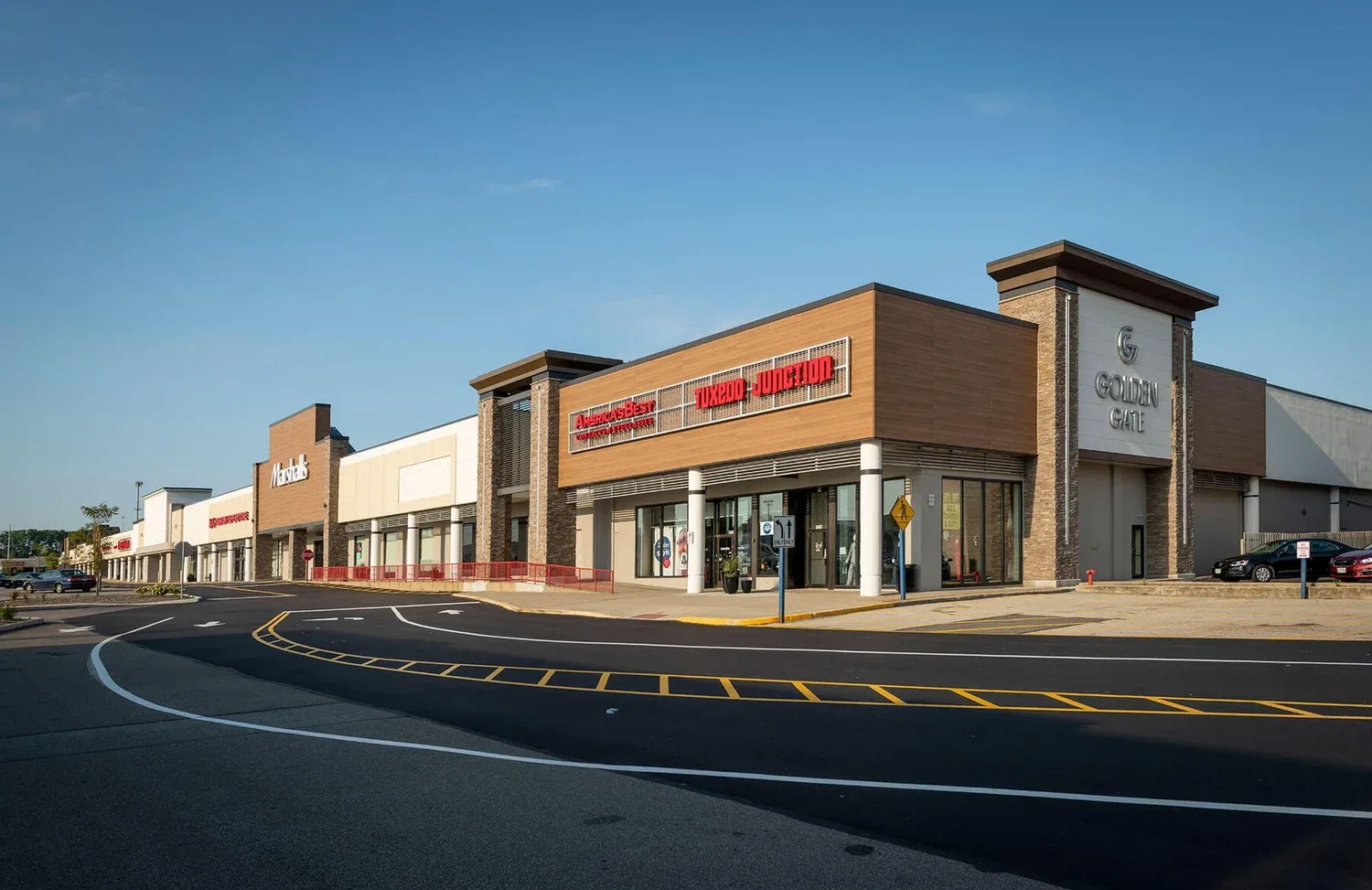
Butler Town Center includes a Whole Foods Market and open-air retail and dining. Butler Plaza's broader tenant mix includes grocery stores alongside big-box, restaurant, and service tenants. These Gainesville shopping districts make delivery access and customer flow useful scheduling details. The selected store's roof records, site contact, and service route establish the visit plan.
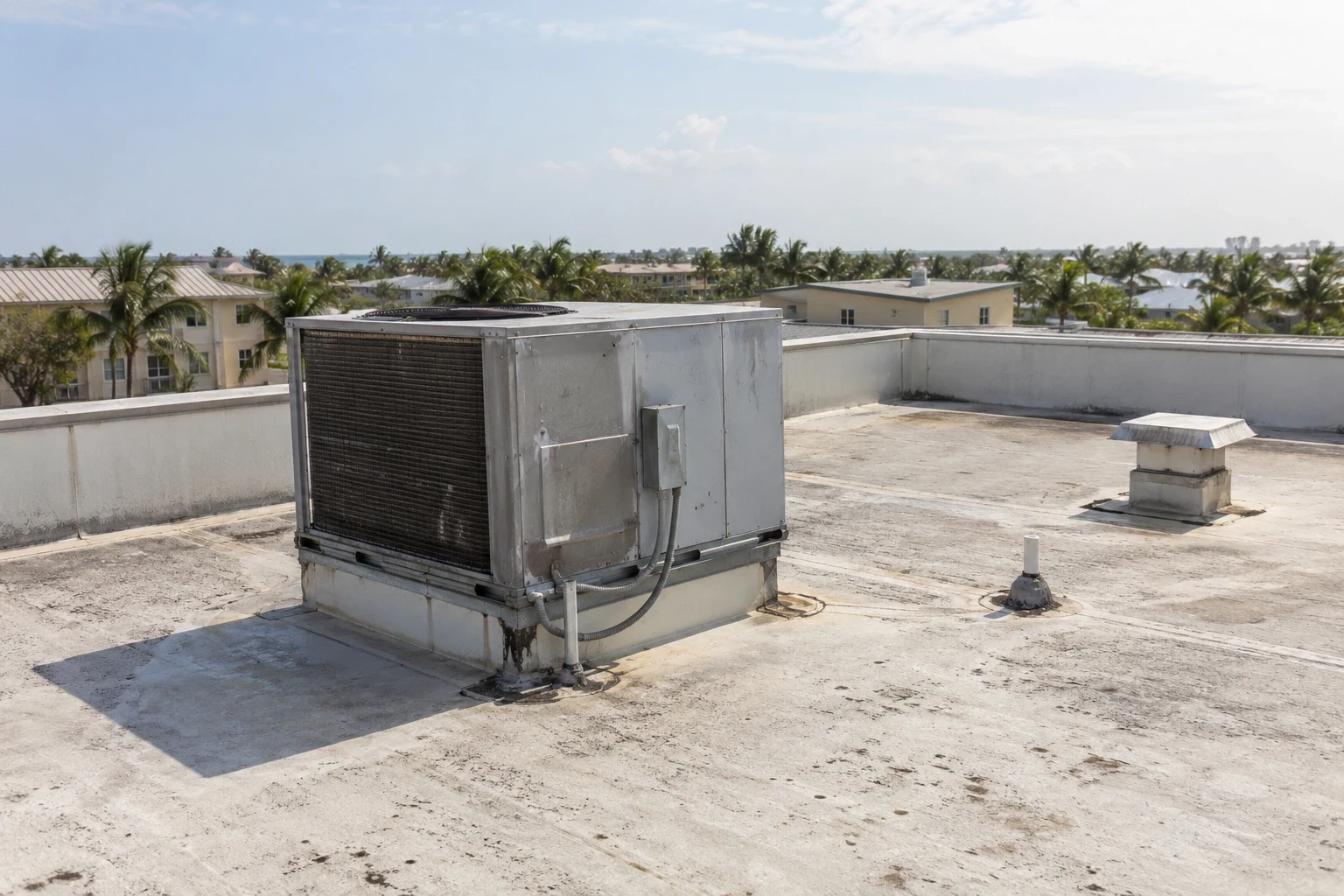
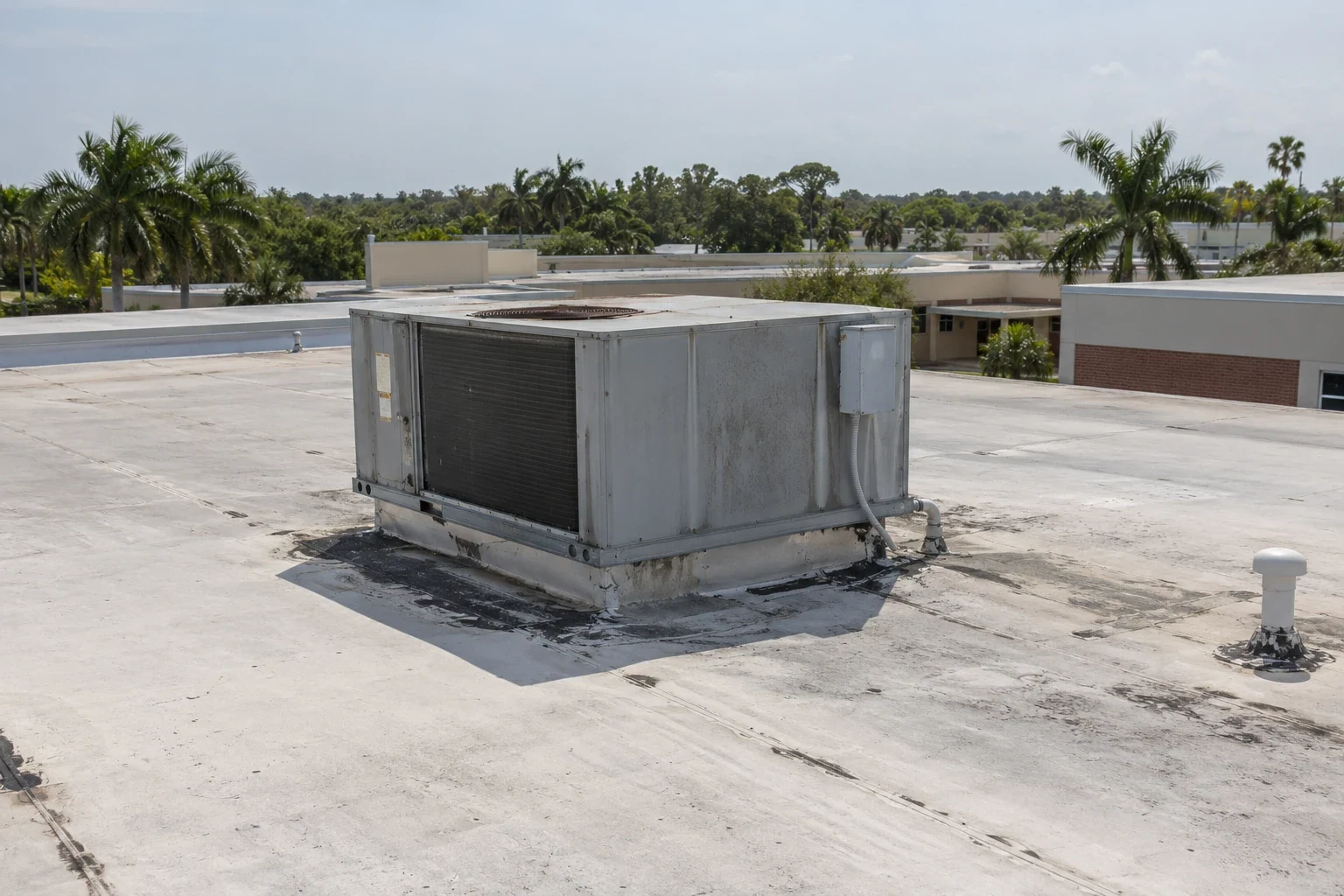
At a grocery property, rooftop refrigeration lines and equipment supports need a sound flashing connection. We inspect those details with the equipment contact's history, including any change in pipe routes or service. If the affected space is a walk-in cooler or freezer, a cold storage roof check can address additional interior temperature and vapor-control considerations. A food store can have both conditions within different parts of one building.
Inspection: Trace Water and Roof Activity
We confirm the membrane or metal system and inspect the roof section above the reported area. Drains and scuppers need open outlets; seams and patches need to remain bonded; equipment curbs need intact flashing. We look for ponding marks, soft areas, displaced metal, cracked sealant, and punctures from service activity. A roof defect may sit several feet from the ceiling stain, so we compare the interior location with the roof plan rather than select the nearest detail automatically.
A 24-hour rainfall period in Gainesville reached 3.06 inches in 2025. That 24-hour rainfall total can test drains, scuppers, low areas, and perimeter details. We look at each outlet and path for debris or water that does not clear. A drain inspection can identify outlet or slope work; when moisture may extend below the membrane, a targeted survey can help select test openings. The cut itself confirms the layers at that location.
Kitchen exhaust, refrigeration piping, and HVAC equipment can bring regular service traffic to the roof. We look for boot damage, loose supports, disturbed flashing, and grease or debris around the equipment where present. A roof equipment review can define work at the curb or support, while a restaurant roof inspection addresses similar exhaust conditions in a separate food-service layout.
Repair: Keep Food and Equipment Protected
For an isolated seam, penetration, or curb defect, we prepare the area and install materials compatible with the existing roof. We identify any cooler, freezer, food preparation area, or electrical equipment beneath the work and coordinate interior protection with store staff. If a test opening shows wet insulation, we measure the removal boundary and record what the deck looks like before rebuilding. The scope distinguishes confirmed work from conditions that cannot be seen until the roof is opened.
Active water entry may require temporary protection before a permanent repair can be planned. We coordinate the store contact and safe roof access, stabilize the opening, and document what was covered. A leak affecting stock or customer areas can be reported overnight or on weekends; we record the immediate measure and review permanent repairs after inspection. Permanent work follows after we inspect the assembly and confirm the materials and affected roof section.
If repeated leaks or wet insulation span more than one area, we compare localized repairs with recover or replacement options. A shopping center roof plan can consider neighboring tenants, while this grocery scope addresses cold rooms, stock, and receiving. The replacement assessment identifies the building areas included, access requirements, and whether work can be phased around store operations.
Coordinate: Receiving, Customers, and Safe Access
We confirm store opening hours, truck appointments, service-lane access, dumpster locations, and any time when refrigeration deliveries or stocking cannot be interrupted. The property contact identifies where materials can be staged and whether a lift or roof hatch route crosses customer traffic. If a roof section sits above sales aisles, temporary interior barriers may be needed. The schedule states which areas are active and when access returns to store staff.
Gainesville thunderstorms can interrupt work during a roof opening. We check conditions before removing membrane or insulation, keep drains clear, and secure the section at a stopping point if rain approaches. Work may proceed outside peak receiving hours or in separate roof zones. For projects that need several visits, the manager receives a handoff with completed work, temporary protection, and the next access window.
Butler Plaza is located along Archer Road near I-75 and includes grocery and dining tenants. That corridor's customer and delivery activity can shape lift and truck planning at a specific property. A Butler Plaza roof visit is coordinated with the store and property contact so access is confirmed before crews arrive. A maintenance interval can then keep drains, flashings, and equipment details on a recurring inspection record.
Close Out: Record the Store and Roof Section
Closeout notes the roof system, repaired location, materials, test openings, drainage details, and remaining conditions. Photos identify the roof section and, when known, the interior area beneath it. We record which food or equipment areas required protection and whether any temporary measure was removed. The store's facilities team can keep the record with equipment service history and use it to compare later temperature or leak reports.
For a Gainesville grocery roof assessment, provide the store address, affected aisle or service room, roof records, active water or temperature reports, refrigeration contact, delivery schedule, and access window. We will inspect the assembly, coordinate with store staff, and prepare a measured repair scope based on field conditions.
Grocery roofs can sit above refrigerated cases, freezers, food preparation areas, and rooftop units that need uninterrupted service. We ask store management and facilities staff to identify cold-storage zones, sanitation limits, deliveries, and any ceiling areas where interior protection must be ready. The inspection checks membrane and flashing near refrigeration equipment as well as drainage paths and perimeter details. If a leak threatens a product area, temporary control and permanent repair are documented separately so the store can manage food safety and the roof condition at the same time. Work windows are set to maintain receiving access and protect operations.
Frequently Asked Questions
Can roof repairs affect food preparation or stored products?
The roof section and work method determine the needed protection. We identify food areas, coolers, and stock below the repair with store staff, then schedule barriers or temporary restrictions where the work requires them.
Could water near a cooler be caused by condensation instead?
It can be. We compare when the moisture appears with refrigeration operation and weather, then inspect the roof flashing above the area. If both remain possible, the report identifies what further observation can resolve it.
How do you coordinate repairs with grocery deliveries?
We use the store's truck appointments, receiving hours, and service-lane rules to set material delivery and roof access. The site contact confirms which routes must remain open.
Do you inspect refrigeration equipment as part of roofing?
We inspect the roof flashings, curbs, supports, and penetrations around equipment. The refrigeration vendor handles equipment diagnostics or movement when that is needed to complete the roof connection.
Related Roofing Work
Schedule a Gainesville Grocery Roof Inspection
Send the address, affected store area, roof records, leak or temperature reports, refrigeration contact, receiving schedule, and access window. We will coordinate the inspection and document repair options.