
Restaurant Roofing in Gainesville, FL
Plan Gainesville restaurant roof repairs around kitchen exhaust, dining hours, rooftop equipment, drainage, deliveries and customer access.
Property Types We Roof: Restaurant Roofing
A kitchen exhaust fan that stops pulling properly can point to an equipment issue, while water near the dining room may come from the roof above or a pipe elsewhere. We identify the room, service history, and time the symptom appeared before checking the roof. In Gainesville, FL, heavy downpours and hot roof surfaces make drains, penetrations, and exhaust curbs worth inspecting. We coordinate roof access around prep, deliveries, and service hours so the restaurant can keep its operating plan in view.
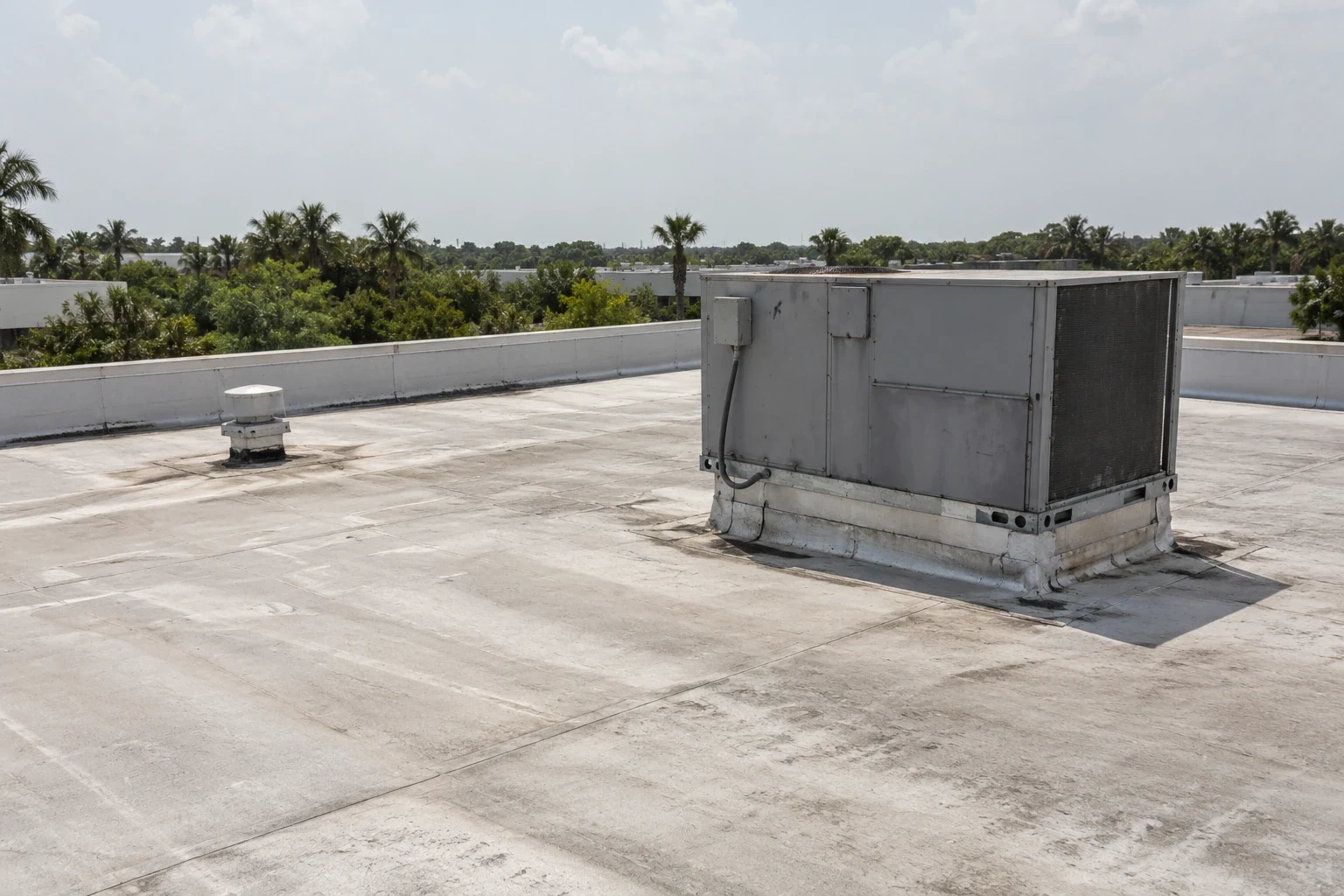
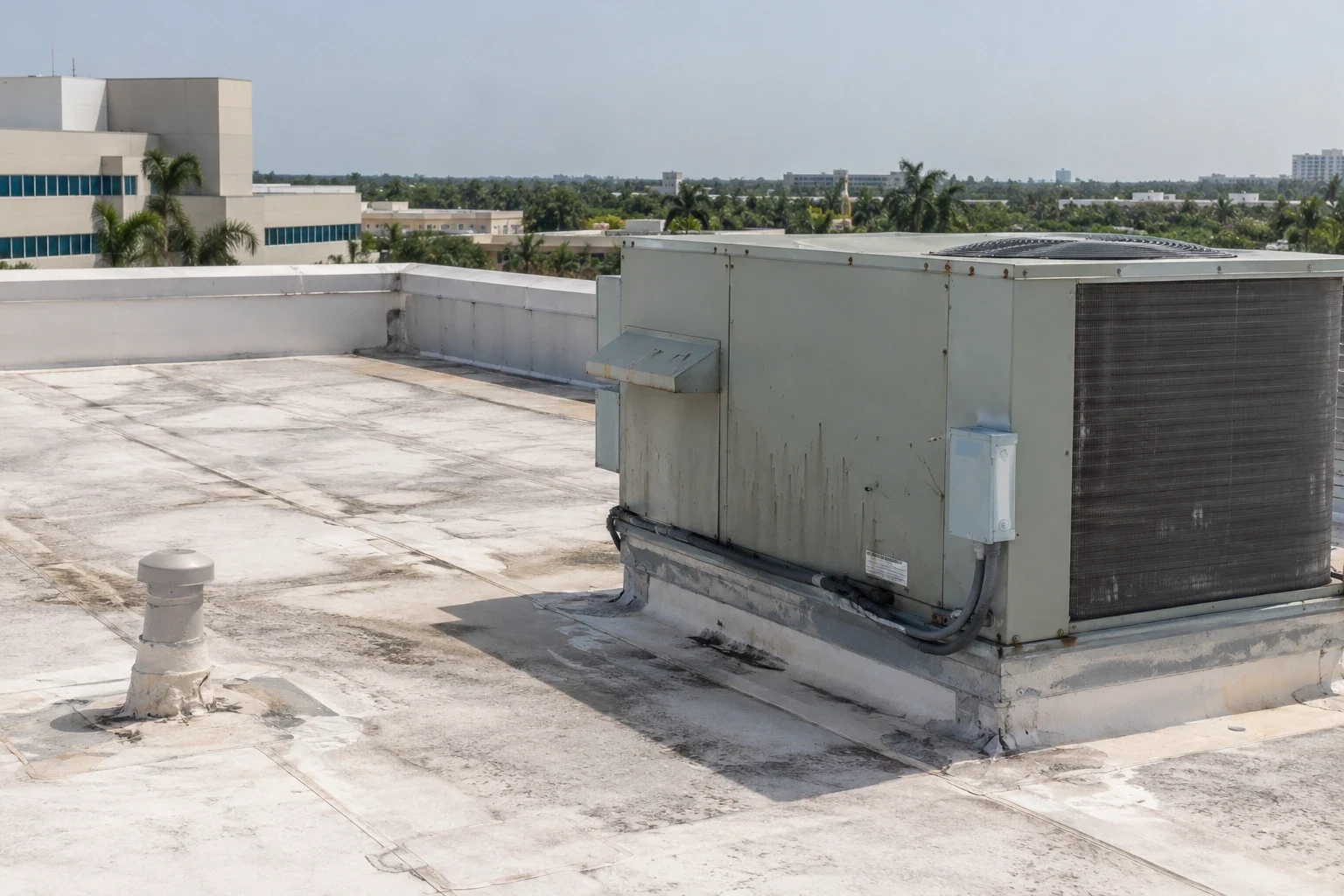
Kitchen Equipment and Roof Openings
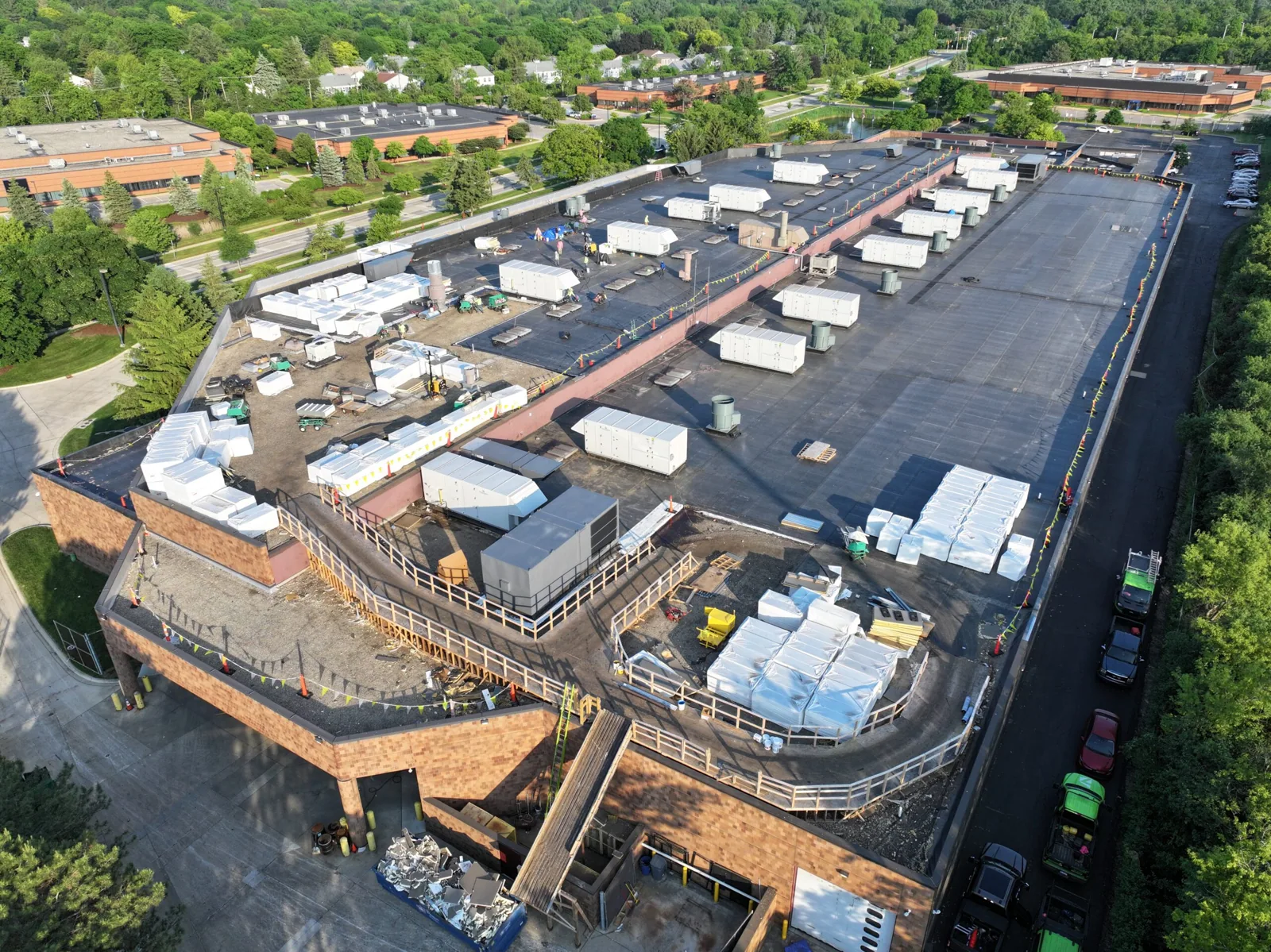
Kitchen exhaust, make-up air, plumbing vents, and rooftop HVAC each create a different roof transition. We inspect the curb or pipe base, flashing, nearby membrane, and the path rainwater follows around the equipment. Grease residue or debris may be present near exhaust equipment; we note the condition without confusing equipment cleaning with a roof repair. If a vendor recently replaced or moved a fan, the service date can help narrow the inspection area.
Downtown Gainesville includes cafes and restaurants among its storefronts, arts spaces, and public plazas. For a restaurant along the downtown pedestrian street grid, the property contact confirms delivery routes and roof-access rights before the visit. At Celebration Pointe, City Walk pairs restaurants and dining with retail, entertainment, and apartments. A downtown restaurant roof visit or a City Walk roof inspection is scheduled for the actual address, roof access, and business hours rather than inferred from the district.
The dining room ceiling may be dry even when water is entering above the kitchen, because the roof path can follow a curb or seam before showing inside. We compare the report location with nearby drains, penetrations, and wall transitions. A shopping center repair plan can include neighboring tenants when the restaurant sits inside a larger property; the restaurant scope still identifies the equipment and interior areas affected.
Inspection: Follow the Water and Exhaust Details
We verify the roof system and inspect seams, drain bowls, scuppers, parapets, curbs, and penetrations around kitchen equipment. We look for an open lap, loose counterflashing, cracked pitch pan, puncture, or water held behind an exhaust curb. Photos show each defect in context so the manager can distinguish a roof opening from a fan or duct service issue. If the condition is hidden beneath the membrane, a test opening may be needed before the repair boundary is final.
Gainesville counted 104 thunderstorm days and 82 heavy-rain days in 2022. That pattern puts restaurant roof drains and equipment flashing through repeated wet periods. We inspect actual outlets, seams, and curb corners rather than assume every water mark follows the same path. A drainage check can identify a blockage or slope issue, while a leak trace connects an interior report with the roof section above it.
Where repeated kitchen service affects the membrane, we document the changed detail and inspect adjacent materials. The equipment vendor may need to coordinate movement or disconnection. A roof curb repair can address the roof connection while keeping the mechanical work with the appropriate trade. If insulation is wet, a moisture survey can guide testing, but a cut confirms what is present at that point.
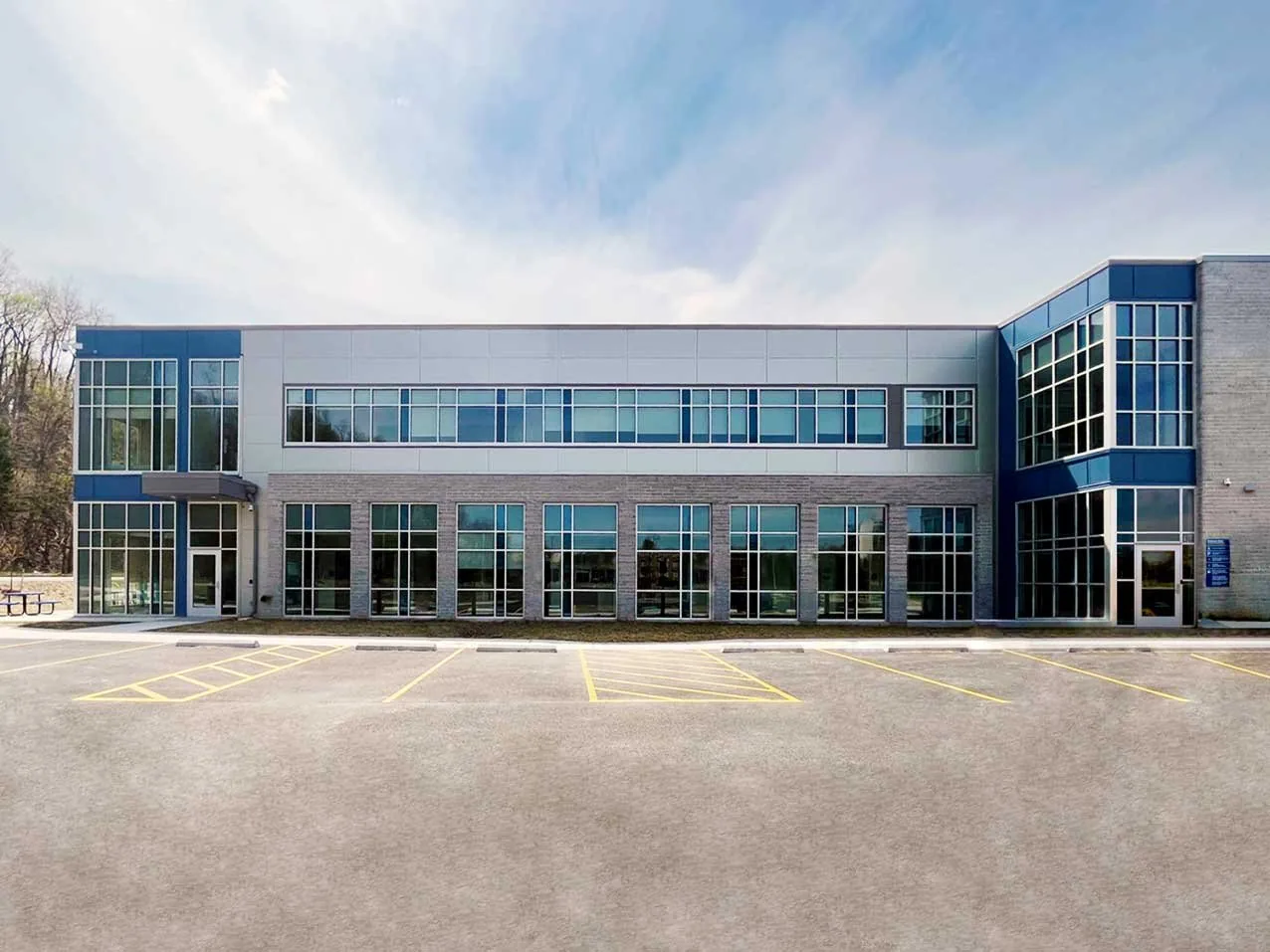
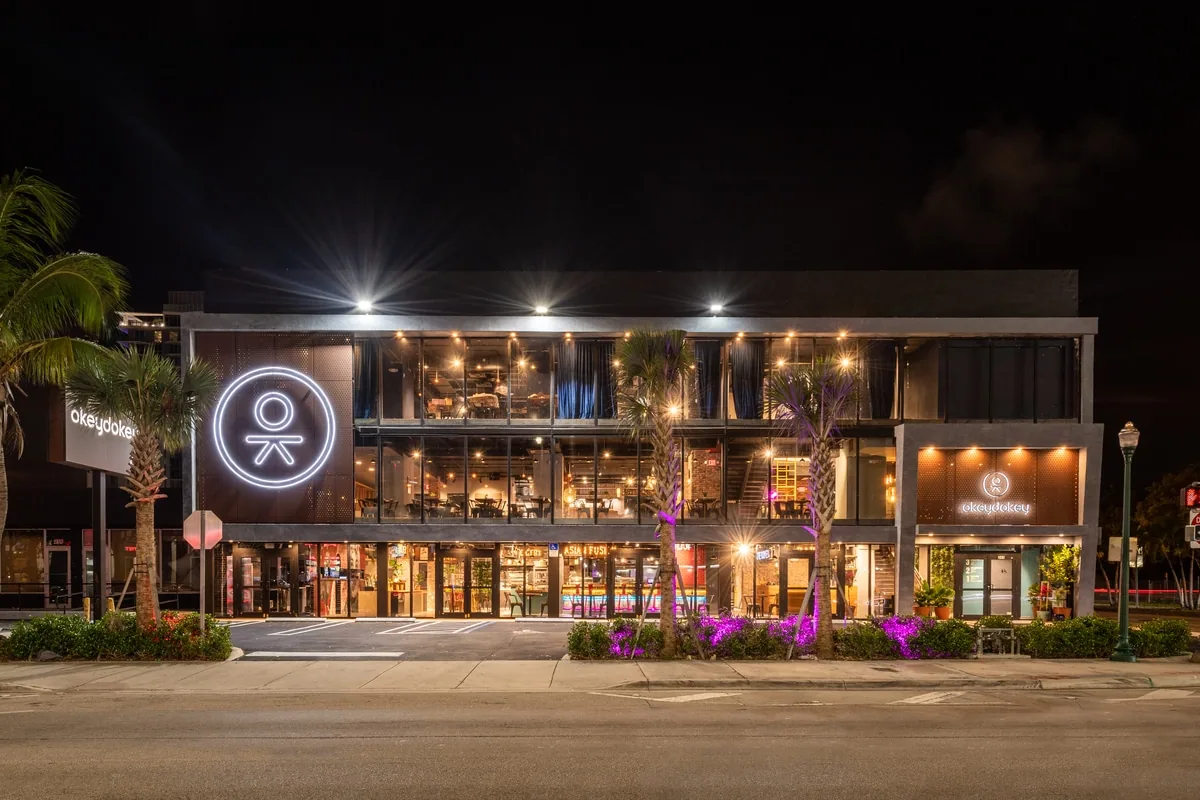
Repair: Work Between Meal Periods
Repair materials follow the roof system. A welded membrane seam, metal curb, and modified-bitumen flashing require different preparation and tie-in details. We isolate the work area, protect the kitchen or dining space below, and coordinate with the facility manager before opening the roof. A localized curb or seam repair may fit into one planned window if adjacent materials are sound and the assembly is dry.
When a test opening finds wet insulation, we measure the removal boundary and identify any deck condition before rebuilding. The proposal separates confirmed work from areas that still need access or testing. If roof deterioration extends beyond the kitchen equipment, a replacement assessment can compare a larger project with repair. A grocery roof scope may involve cold storage and receiving constraints, while restaurant work often centers on kitchen equipment and meal periods.
Cost and duration depend on roof type, flashing length, equipment coordination, material removal, staging, weather, and whether work can happen between service periods. We state which areas are included, what needs another trade, and how the restaurant can maintain access to its kitchen and customer entrance while roof work is active.
Coordinate: Keep Dining and Deliveries Moving
Before mobilization, we confirm prep hours, delivery appointments, trash pickup, customer seating, and the route used to reach the roof. A lift or material drop should not block the kitchen receiving door or an accessible entrance. We ask the site contact which rooms need barriers and whether ceiling access is allowed during service. The work plan names the active roof area, expected noise, and any temporary restrictions.
Thunderstorms can arrive while roof work is underway. We check near-term conditions before removing materials, keep outlets clear, and secure the open section if weather changes. The crew closes a tie-in before pausing and leaves the site contact with the current condition. Emergency response is available every day and at any hour, including holidays, when active water threatens the kitchen, dining room, or equipment.
For restaurants in a multi-tenant property, we coordinate with the property manager and nearby tenants if staging or access crosses shared areas. Routine maintenance can follow exhaust curbs, drain areas, and past repairs on a recurring schedule. That record helps a later kitchen service vendor avoid cutting a membrane without confirming the roof connection.
Close Out: Record Each Equipment Transition
Closeout photos show the repaired curb or penetration, the membrane connection, and the roof area around it. The report records materials, test openings, drainage checked, and any detail left for further review. We identify the affected kitchen or dining area when known, along with any protection removed or access limit that remains. The manager can keep that record with kitchen equipment maintenance history.
For a Gainesville restaurant roof assessment, send the address, leak or equipment location, roof records, exhaust and HVAC service history, prep and delivery schedule, site contact, and access window. We will inspect the roof transition and prepare a measured scope around the restaurant's operations.
Restaurant roof work must account for kitchen exhaust, grease hoods, make-up air, outdoor seating, and customer entries. We inspect flashing at penetrations and transitions without changing equipment settings or obstructing exhaust service. The manager identifies prep hours, deliveries, patio use, and where interior protection would affect food handling. Downtown Gainesville's mixed business activity and Butler Plaza's dining tenants offer different access patterns, so the scope names the actual roof section and operating window. If grease accumulation or equipment service affects a repair detail, we coordinate the needed cleaning or mechanical work before closing the roof assembly.
Frequently Asked Questions
Can you schedule roof repairs before the dinner service?
We can plan a work window around prep and meal hours when crew access, weather, and material cure requirements allow. The manager should share kitchen use, deliveries, and hours when noise cannot occur.
Could a kitchen odor or exhaust issue come from the roof?
The fan and duct system need mechanical review, while the roof inspection checks the curb, flashing, and membrane connection around them. We document the interface and coordinate with the equipment vendor if movement is required.
What if water appears after the exhaust fan was serviced?
We compare the service date and changed components with the reported location, then inspect the roof transition. A service visit can disturb flashing, but the field evidence determines whether it caused the opening.
Can you repair the roof without closing the dining room?
Often. The site contact identifies the area below the repair, and we plan interior protection, noise, access, and any temporary barrier around the dining schedule.
Related Roofing Work
Schedule a Gainesville Restaurant Roof Review
Share the address, reported room or equipment, roof records, exhaust service history, prep and delivery schedule, site contact, and access window. We will inspect and document the repair boundary.