
Solar-Ready Commercial Roofing in Gainesville, FL
Assess commercial roof condition, attachment points and service paths before a solar project in Gainesville. Coordinate roofing work with the array design team.
Commercial Roofing Services: Solar-Ready Commercial Roofing
A Gainesville property planning rooftop solar needs a roof that can support the project and remain accessible for future repairs. We review the existing membrane, insulation, drainage, structural information and planned equipment layout before roofing work proceeds. Solar readiness is not a label applied to any new roof. It means the assembly, attachment strategy, penetrations and maintenance paths are coordinated with the array design and the building's operating needs.
Review: Establish the Roof's Remaining Work
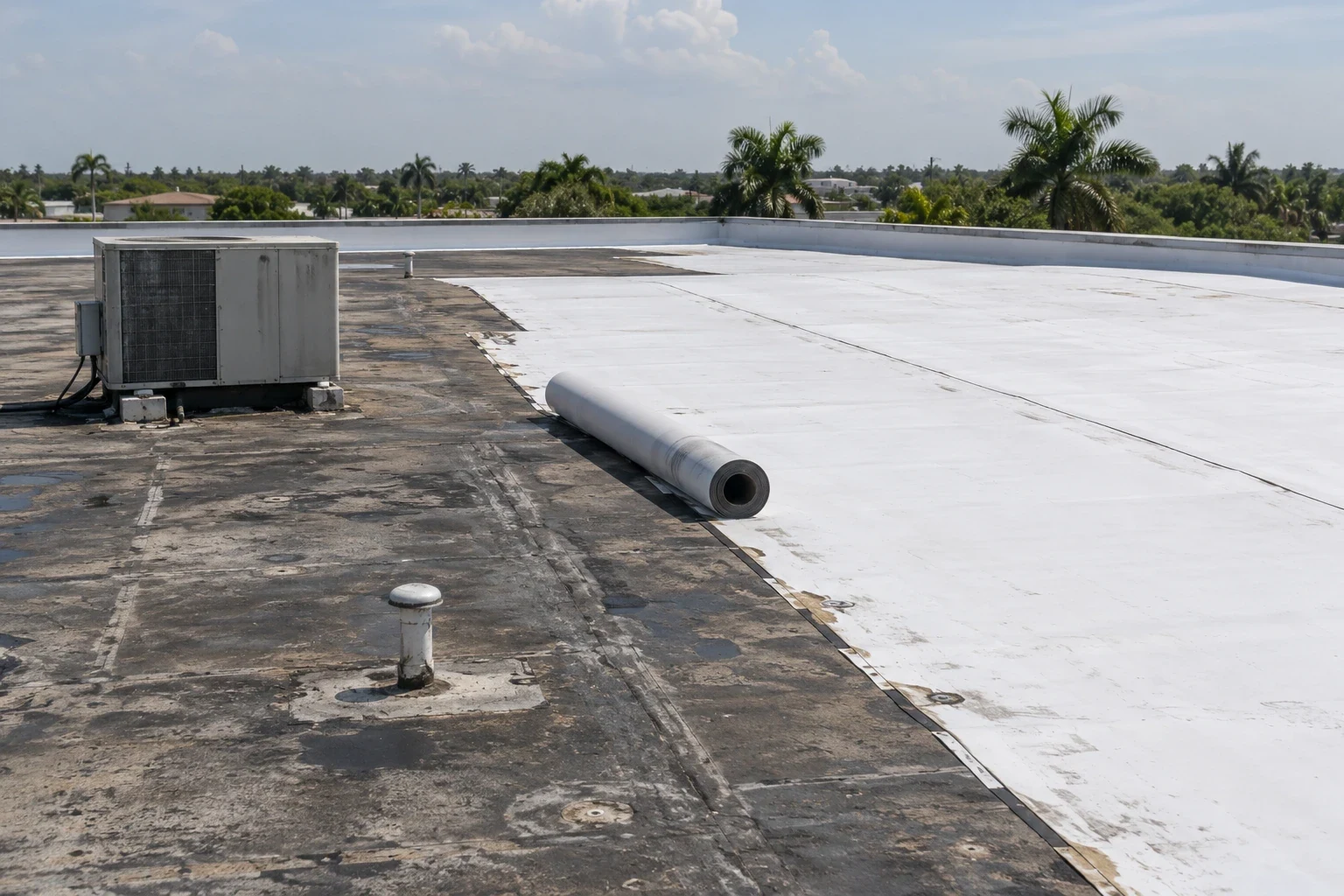
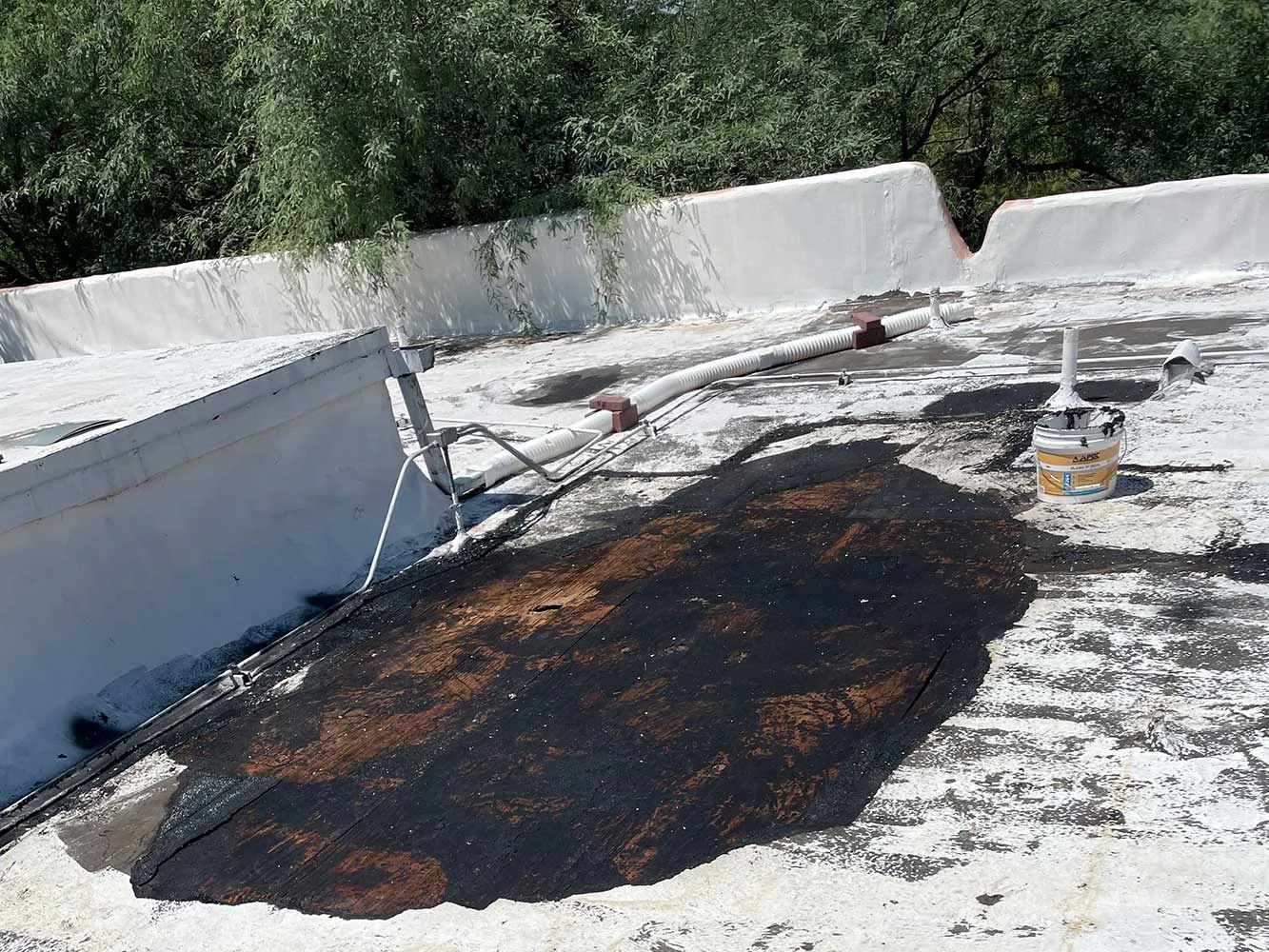
The first question is whether the roof condition and expected service period align with the solar plan. We inspect seams, flashings, drains, insulation and prior repairs, then note areas that need testing. If a roof needs replacement soon, coordinating that work before the array is installed can avoid removing panels later to reach a failed membrane. If the assembly has broad moisture or attachment concerns, those findings need to be resolved before solar supports are placed.
We review plans and service records supplied by the owner, but the field condition still needs confirmation. Infrared scanning or test openings may help identify wet insulation; the scan itself does not verify hidden layers. A roof inspection can map areas that need repair, monitoring or replacement before the solar layout is finalized.
Gainesville recorded 133 days at or above 90°F in 2025, making roof-surface exposure a practical part of array and maintenance planning. Solar equipment can shade portions of the roof, but heat and weather exposure continue to affect membrane details and service routes. We base the roofing recommendation on the material and condition present rather than assuming the array will protect it.
Coordinate: Align Roofing and Array Design
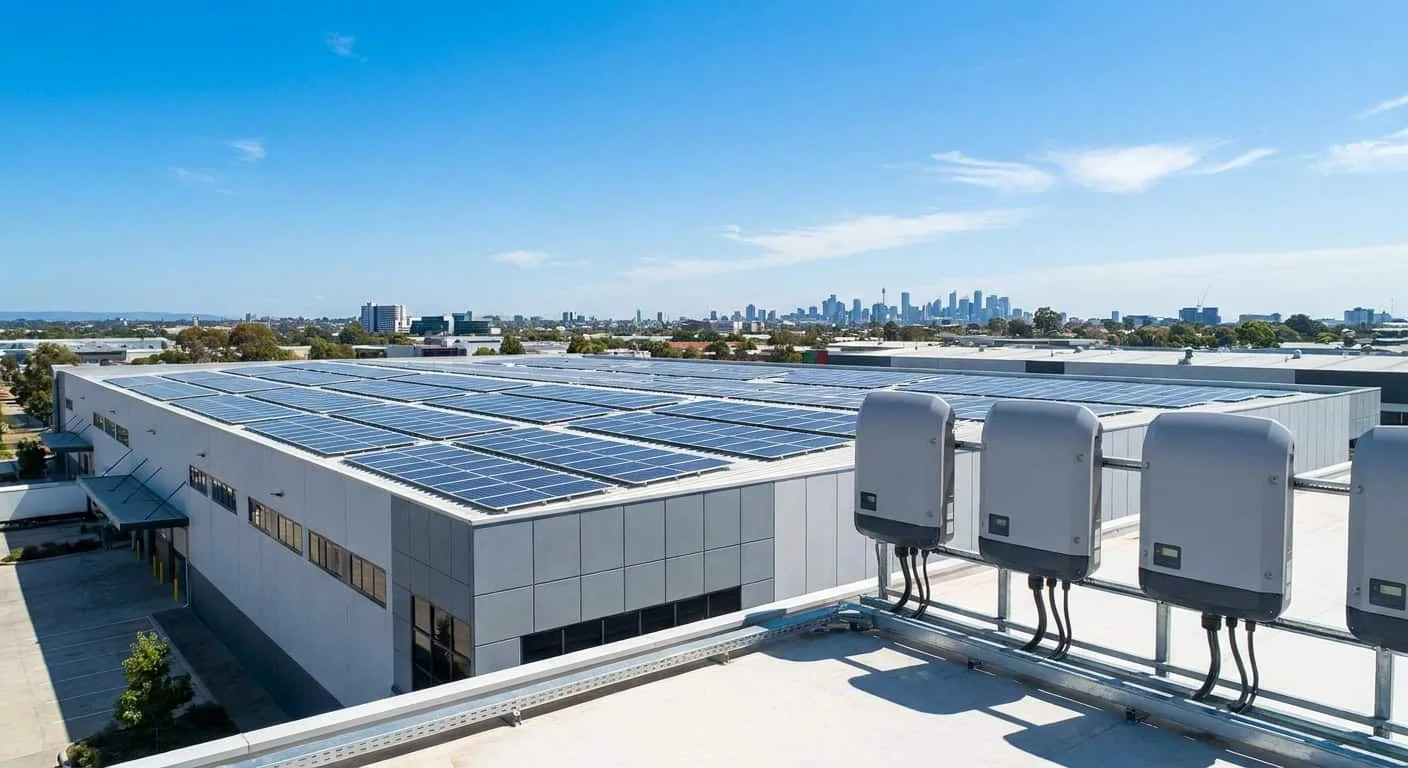
The array layout determines where supports, wiring, inverters and access routes may interact with the roof. We coordinate with the owner's solar designer or contractor to review attachment details, penetrations, ballast or other support methods and locations reserved for maintenance. Structural loading and wind design require review by the appropriate design professional. The roofing scope should identify interfaces the roofer will complete and details that belong to the solar contractor or engineer.
A roof plan should show drains, scuppers, skylights, HVAC units, walk paths and perimeter access before the array footprint is fixed. Panels cannot block required drainage or make a repair detail inaccessible. If wiring passes through the roof, each penetration needs a compatible flashing method and clear ownership for installation and future maintenance. We document those points before work begins so the completed roof is not left with unassigned transitions.
Research facilities around Innovation Square and large institutional properties at the University of Florida campus may involve several facility contacts, roof sections and operating schedules. Those examples show why array planning needs a building-specific coordination path. We confirm who approves roof access, who manages equipment outages and which group accepts the completed interface.
Prepare: Repair or Replace Before the Array
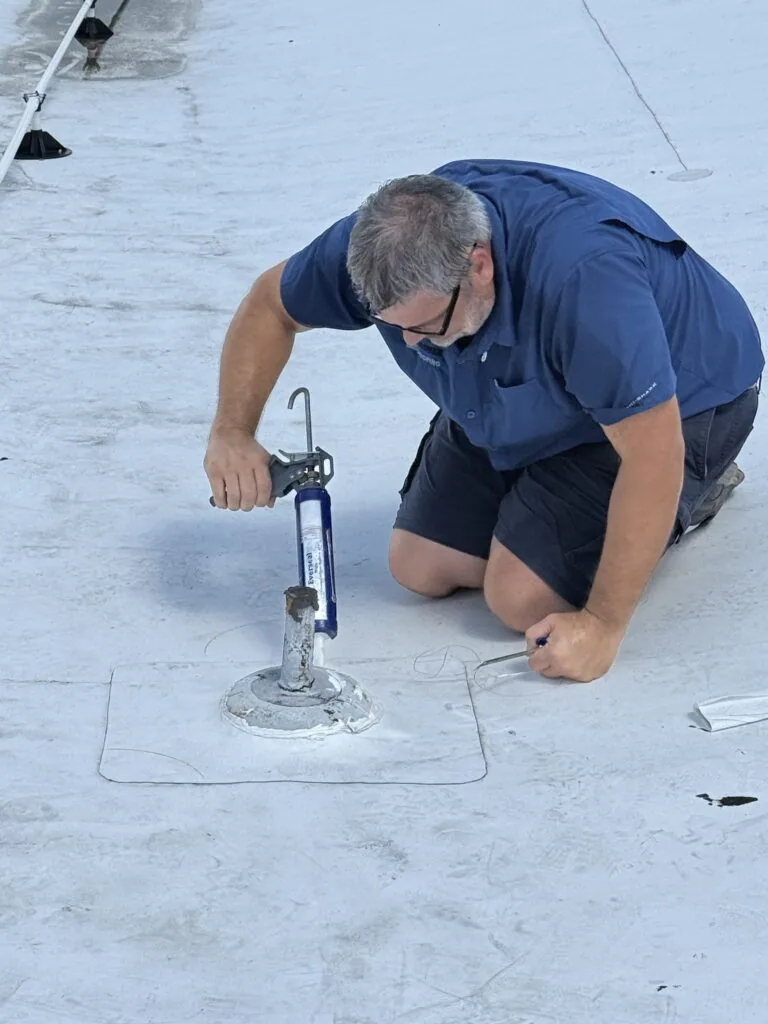
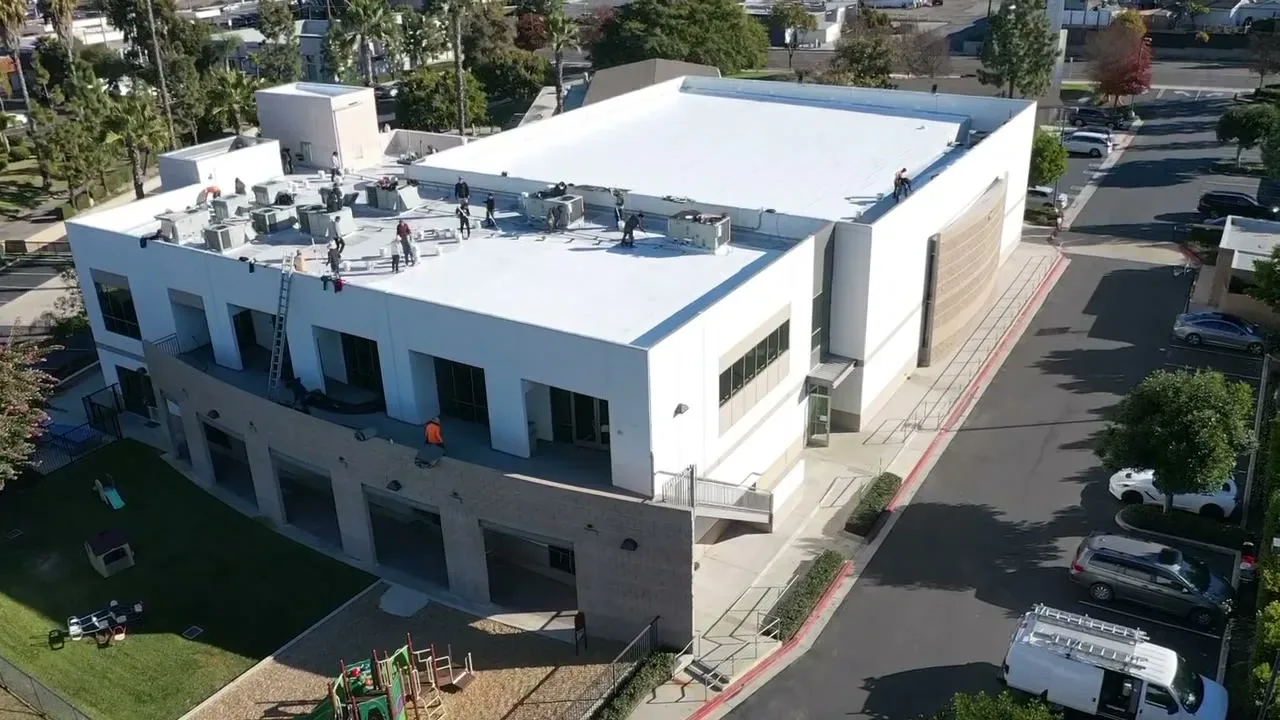
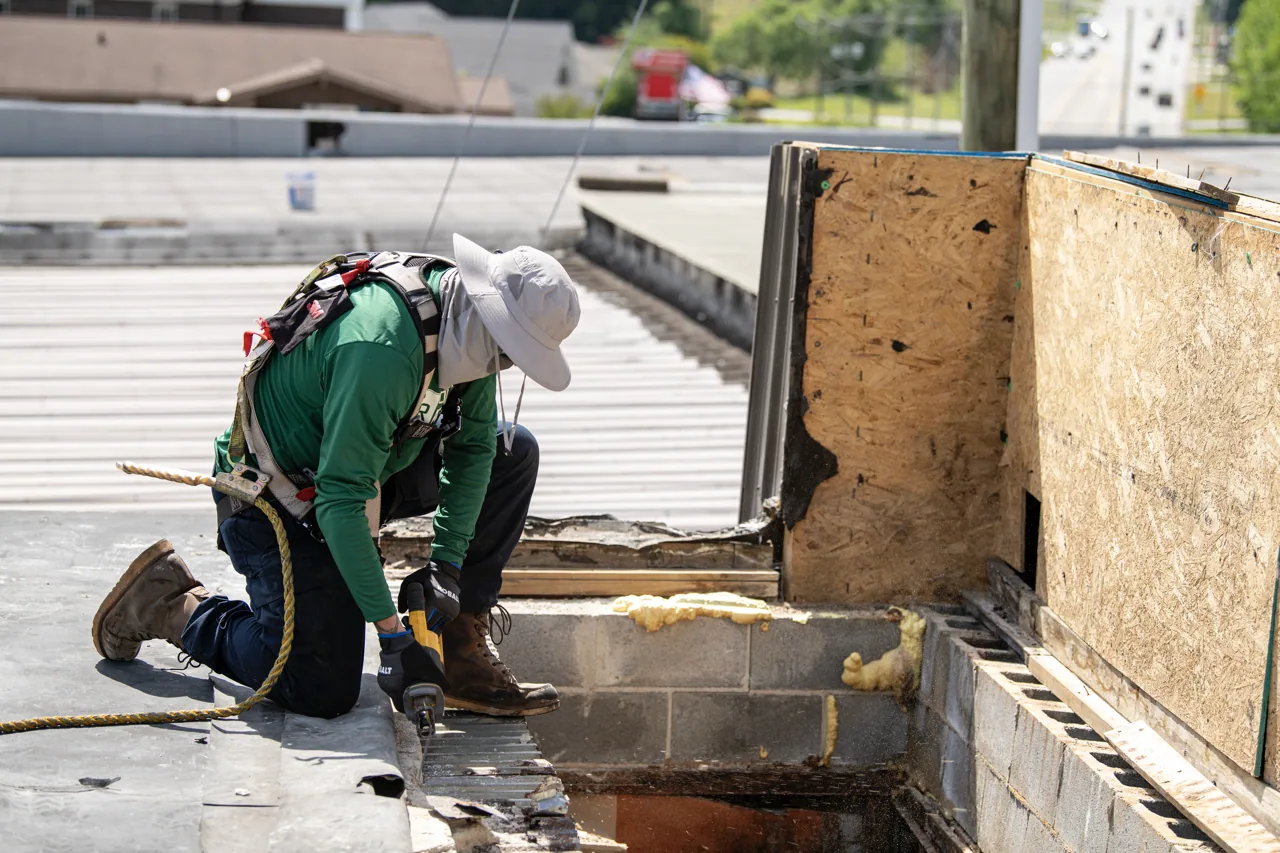
Before solar equipment arrives, we complete agreed roof repairs and verify that the underlying assembly is ready for the planned installation. This may include replacing wet insulation, improving drainage, repairing seams or flashings, strengthening a detail under an approved design or installing a new membrane. A roof assembly review can address insulation and cover board requirements when they affect the reroof scope.
Roof system selection follows the project criteria, substrate and attachment requirements. A TPO assembly or another membrane system may be specified, but no material alone makes a roof solar-ready. The attachment design, flashing method, roof condition and access plan all matter. If the current roof is suitable for another layer, a recover assessment can establish whether that route is allowed by the project and roof system.
The annual Gainesville precipitation measure reached 46.80 inches in 2025; the largest 24-hour amount was 3.06 inches. We plan drainage checks and weather protection into the installation sequence. We check actual roof elevations and outlet locations, then protect open sections if rain shifts the sequence. The solar installation schedule should not force roofing work over wet materials or unfinished flashing.
Protect: Preserve Access and Roof Service
Solar modules and supports change the routes available for inspection, cleaning and repair. We identify access lanes, perimeter clearances and roof areas that need to stay open around drains and equipment. A maintenance plan should explain how a technician will reach membrane details under or beside the array without damaging the roof or disrupting electrical equipment. We coordinate these expectations with the solar provider and facility contact.
If a future roof repair requires array movement, the project record identifies the responsible electrical or solar provider, who handles disconnecting and lifting equipment. The building owner can keep contact information, array plans, roof warranty records and completed repair locations together in a roof asset record.
Work at an occupied property also needs a clear site plan. The Butler Plaza retail setting and the Power District reinvestment area reflect different access and staging concerns. The actual site determines how deliveries, tenants and roof entry are coordinated. We set the work window with the facility team and protect active areas while roofing and solar crews share the property.
Array supports and wiring create roof interfaces that need to be resolved before work begins. We coordinate the roof plan with the solar layout, identify penetrations and attachment points, and confirm which party supplies each flashing or structural detail. Service aisles should preserve access to drains, expansion joints and equipment that still requires maintenance. If the array limits access to an existing leak area, that condition should be repaired and documented before modules are installed. A coordinated closeout records roof details, array locations and the contact responsible for future service.
Close Out: Keep the Array and Roof Records Together
At roofing closeout, we record the membrane system, roof sections, repaired details, planned or completed interface locations, photographs and open items. The array team should retain its layout, attachment and electrical plans with that record. If any planned penetration or support changed in the field, both project records should reflect the final condition. This makes future roof inspection more useful and helps prevent a repair from being based on an outdated layout.
For a Gainesville solar-ready roof review, share the property address, building use, existing roof plans and service history, proposed array layout, site contact and access window. We will inspect the roof, identify conditions that need testing and coordinate the roofing scope with the project team. The result should establish what is ready, what needs work and which details remain with the solar designer or installer.
Frequently Asked Questions
Should we install solar before replacing an aging roof?
The roof condition and project life plan should be reviewed first. If replacement is near, completing roofing work before the array can avoid later panel removal to reach the membrane.
Does solar equipment make a roof more durable?
Panels may shade some surface areas, but they do not repair membrane, insulation or drainage problems. We assess the roof assembly and detail condition independently of the planned array.
Who designs the roof attachment and structural loading?
The solar project team and qualified design professionals establish the array layout, attachment and structural requirements. We coordinate the roofing interface and identify where the roof detail needs to integrate with their plans.
Can you maintain a roof after panels are installed?
Yes, with an agreed access route and coordination with the solar provider. We identify roof areas and membrane details that need inspection and arrange equipment movement through the responsible provider when required.
Related Roofing Work
Plan Solar Roofing Work in Gainesville
Send the property address, building use, current roof records, proposed array layout, active leak areas, site contact and preferred work window. We will review roof condition and coordinate the roofing interfaces with your project team.