
Heat and UV Roof Damage Repair in Gainesville, FL
Assess Gainesville commercial roofs for heat and UV wear, brittle seams, surface splits and insulation issues, then compare repair and restoration options.
Roof Damage Repair: Heat and UV Roof Damage Repair
A membrane can look faded from above and still have sound seams, or appear intact while its laps have started to pull apart. We inspect the surface, edges, flashings, and insulation before deciding whether heat or ultraviolet exposure has caused a repairable defect. Gainesville, FL, has a long hot season and high roof-surface exposure. The building's actual assembly, maintenance history, and field condition determine the scope; a weather statistic alone does not justify replacement.
Separate Surface Aging From a Roof Failure
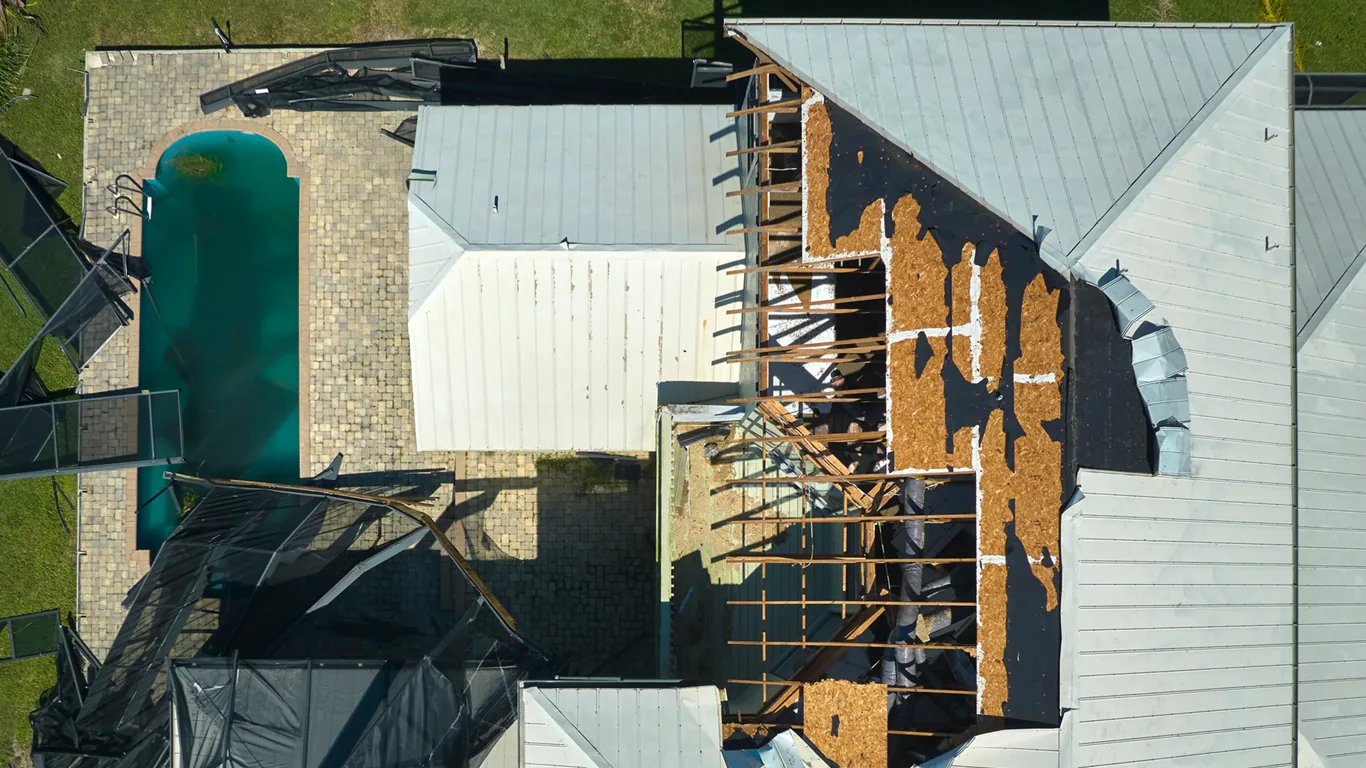
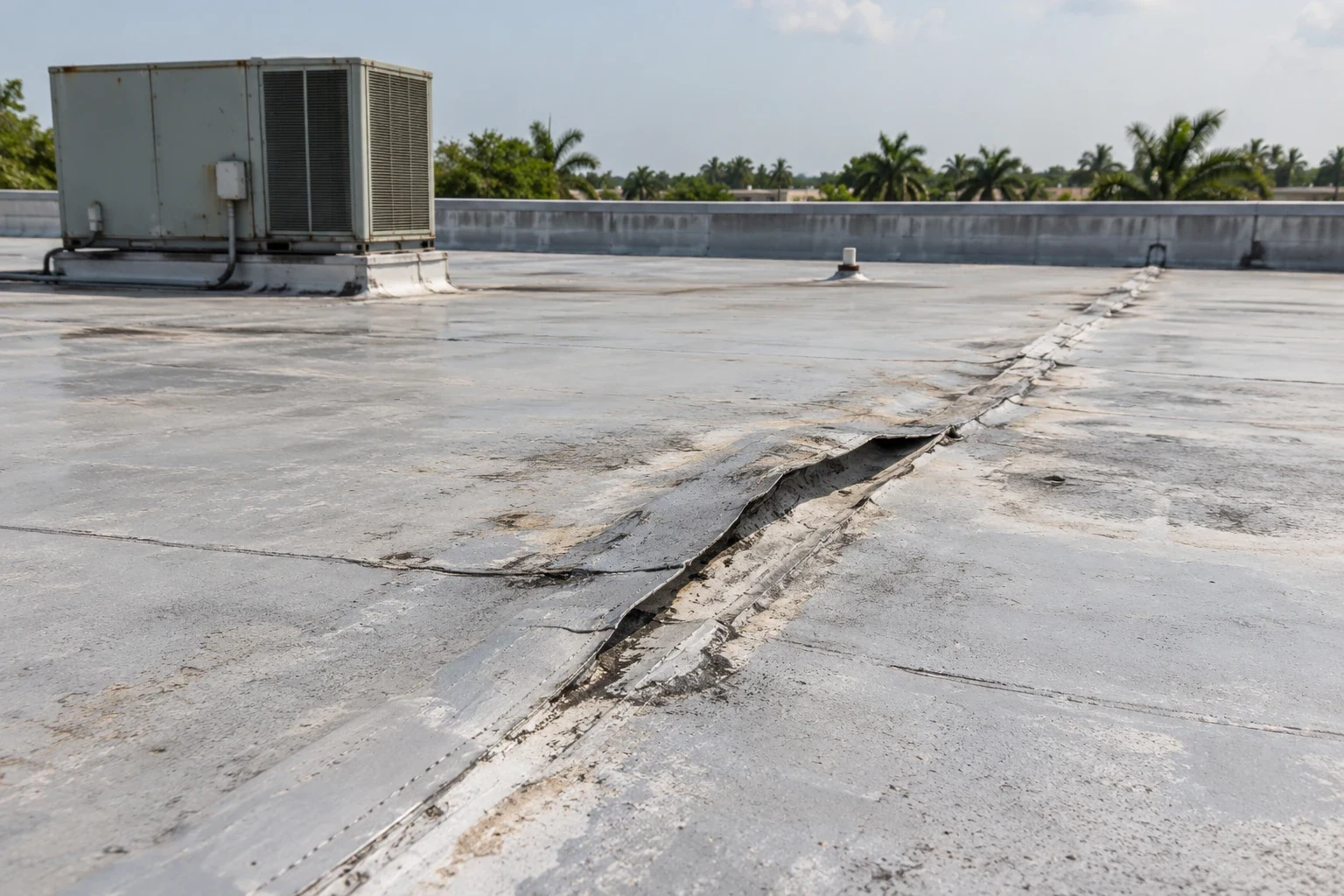
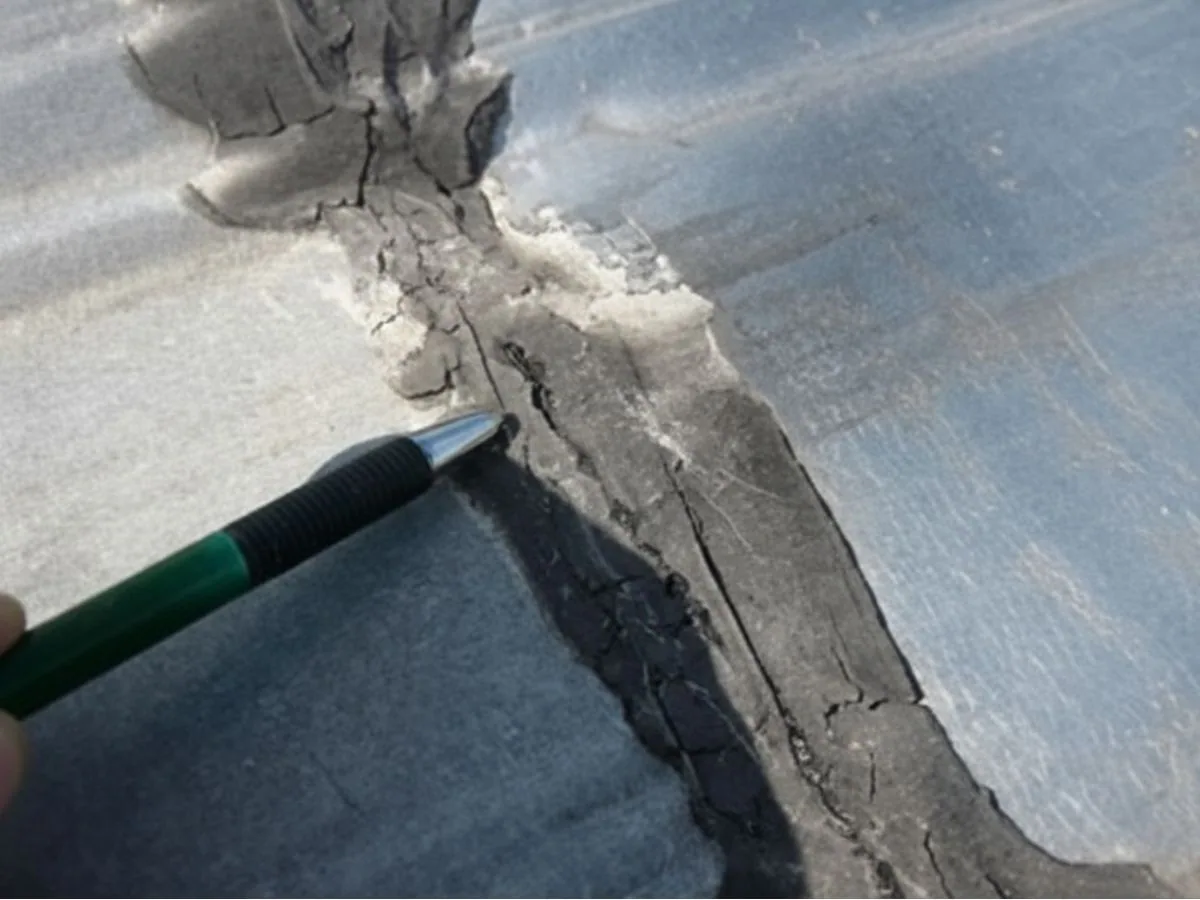
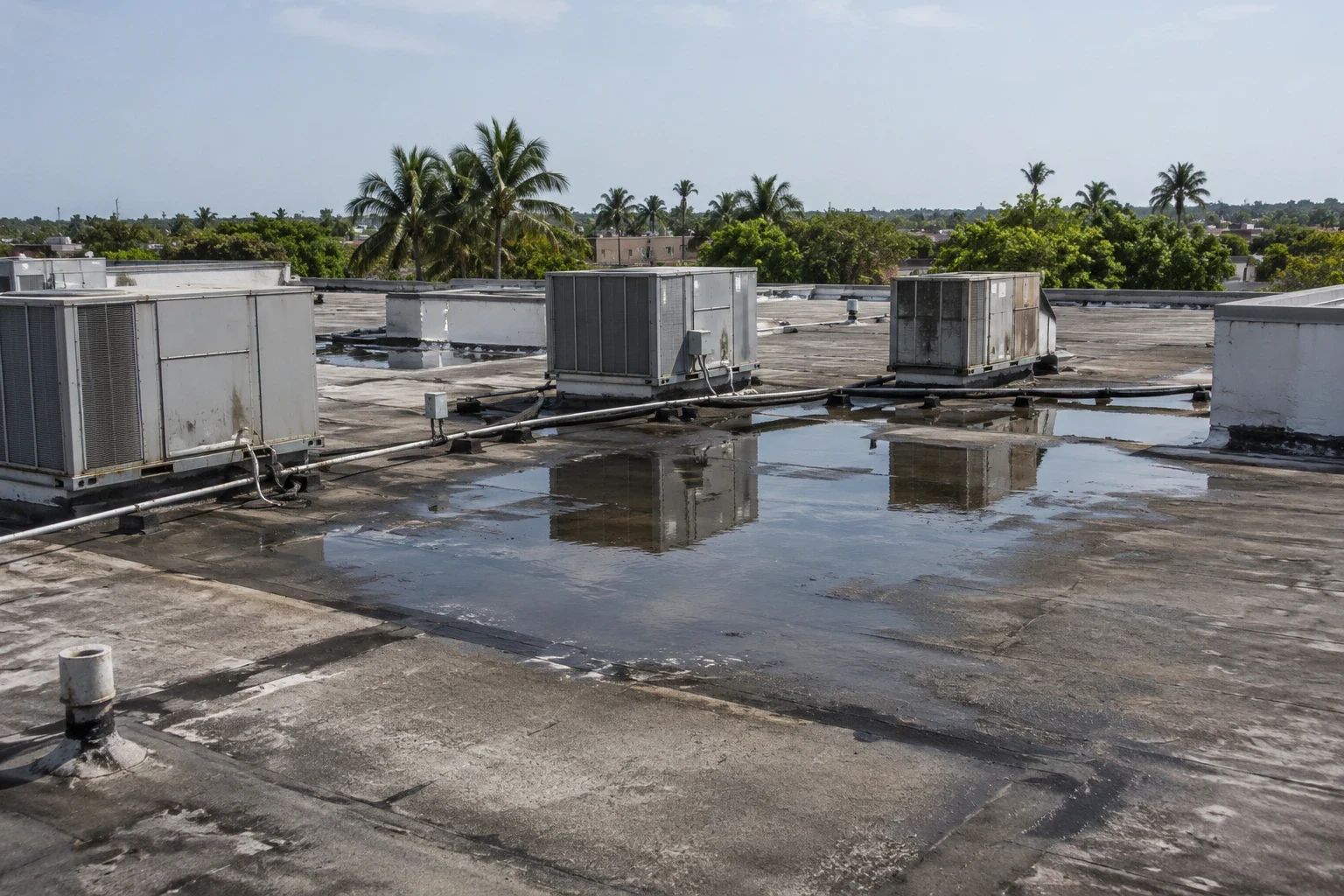
We look for chalking, loss of granules, brittle sealant, open laps, shrinkage, splits, loose fasteners, and coating wear. The same visual change can mean different things on TPO, EPDM, modified bitumen, metal, or an existing coating. We verify the installed material and check whether any defect continues through the membrane or stops at the surface. Photos from consistent roof locations can help facilities staff compare future maintenance visits. We also note rooftop walk paths and equipment service points, since repeated traffic can leave marks that resemble exposure-related wear.
Gainesville had 133 days at or above 90°F in 2025, and its record high is 104°F. That prolonged exposure makes surface and seam checks useful, but temperature does not reveal whether insulation is wet or attachment has failed. A roof condition inspection documents the observed materials and defects, while a visit in Innovation Square begins with the specific building and site contact.
Innovation Square is a downtown-to-campus research district planned for technology offices, research, residences, retail, and hotels. Its planned variety highlights why roof evaluations should match actual occupancy and equipment. A commercial roof in the district may have different rooftop systems and access rules from another property; the area's name does not define its roof construction.
Check Seams, Flashings, and Moisture
Heat can increase movement in membranes and sealants, particularly around curbs, penetrations, wall terminations, and roof edges. We inspect the details where material changes direction and test seams where separation is suspected. If a split or brittle area is present, we check nearby insulation and deck before selecting the repair. A patch must bond or weld to a compatible, prepared surface and extend onto material that can hold it.
Gainesville summer storms can send concentrated runoff across a roof. We inspect the seam, low-point outlet, and adjacent flashing to distinguish a membrane split from a drainage issue. A seam repair assessment can address an open lap, while a flashing inspection checks a curb or wall transition. Those defects remain distinct from ordinary color change or surface weathering.
Where water appears inside, we map the reported room and inspect roof details above and upslope from it. A test opening shows insulation and deck condition at that location, while a moisture survey can guide where additional tests may be useful. We record the size and position of each test and whether the sample indicates a wider wet area.
Choose Maintenance, Repair, or Restoration
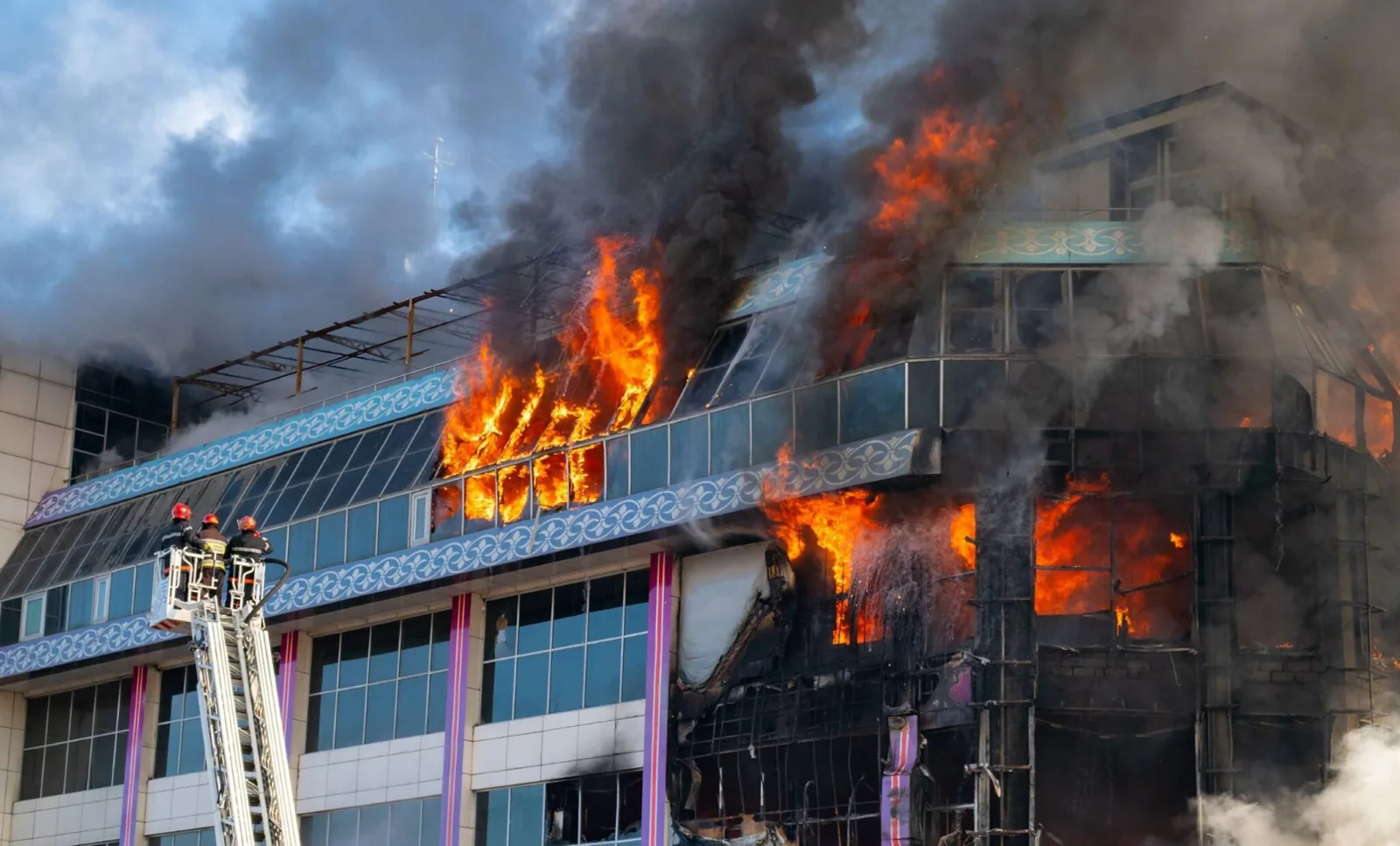
Surface aging without an opening may call for monitoring and scheduled maintenance. A localized split, failed seam, or loose detail can be repaired if the adjacent material is sound. If repeated failures, widespread brittleness, wet insulation, or poor attachment extend across the roof, a coating, recover, or replacement may be considered. We explain which findings support each option and what test would change that recommendation.
A reflective restoration system can reduce solar absorption when the substrate, adhesion, drainage, and project requirements support it. Coating does not repair wet insulation or correct an open seam by itself. A roof restoration scope should state preparation and repairs, and a replacement plan should define removal, insulation, attachment, and tie-ins. Timing and cost depend on the condition, equipment, access, material, and weather window. We list which surface defects need work now and which marks can be watched at the next maintenance interval. That distinction lets the owner schedule a follow-up without treating every weathered area as an active leak.
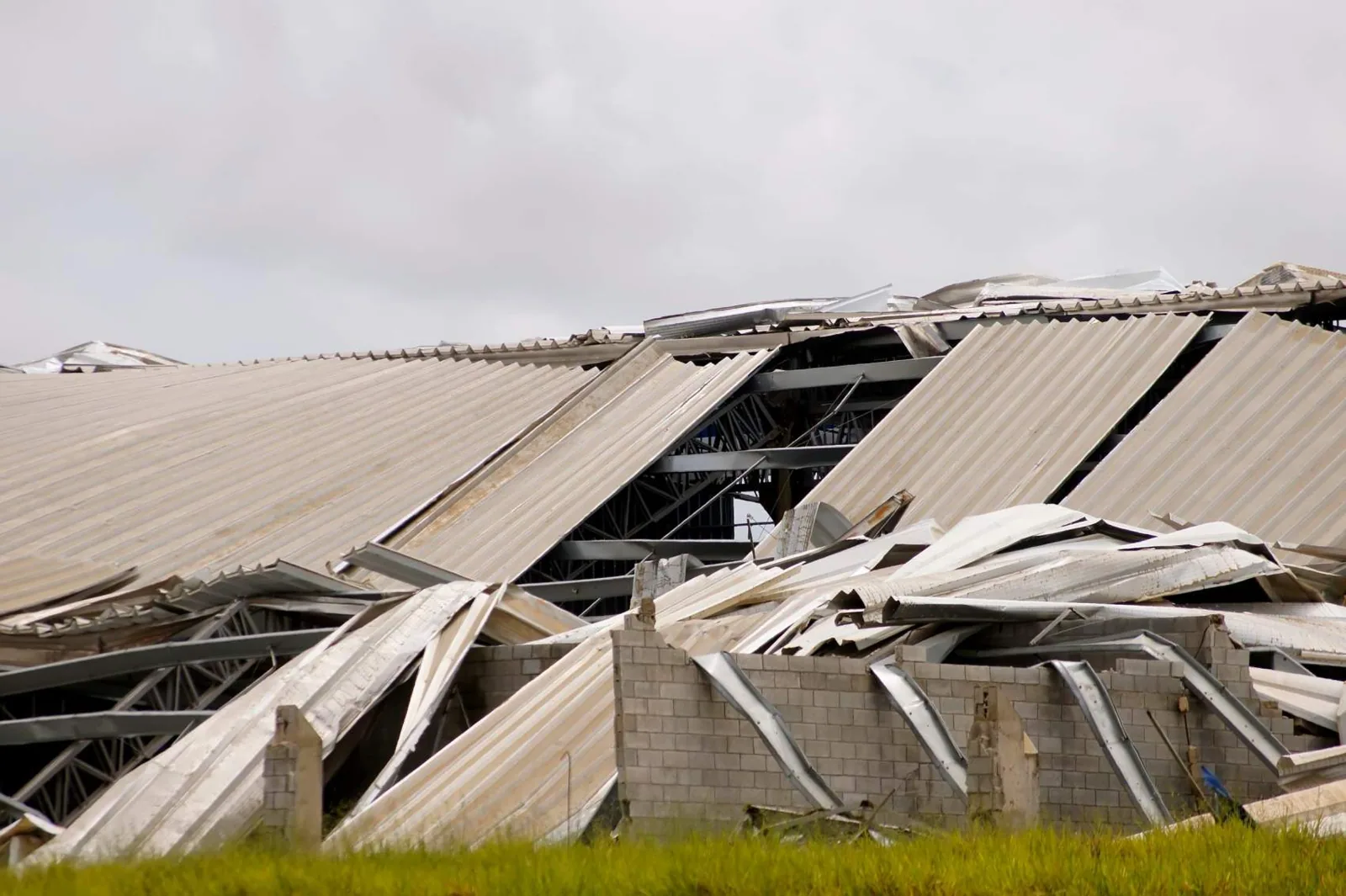
A heat-damaged surface may coexist with storm effects. Hail was recorded in Gainesville and east of Archer in April 1997, and a tornado was documented near Paynes Prairie in December 2019. Those events differ from heat exposure; we identify the cause of a current surface defect from field evidence. A hail review or wind inspection can document those distinct conditions.
A coating or recover decision begins with whether the existing material can serve as a stable substrate. We check adhesion, surface contamination, prior coating layers, moisture and the condition around drains and penetrations before describing restoration as an option. If test areas show weak bond or a test opening finds wet insulation, the proposal identifies repair or removal needs before a new layer is considered. Replacement may be more suitable where brittleness, failed seams or attachment problems occur across multiple sections. We compare those findings with the building's use and planned equipment work, since future penetrations can affect a restored surface. The scope should distinguish immediate repairs from a longer capital project and list the conditions that would change the recommendation once opened. That gives the owner a decision based on the observed assembly rather than color fading alone.
Plan Work for Surface Temperature and Weather
Adhesives, primers, coating materials, and membrane welds have application requirements. We check the roof and ambient conditions against the product instructions before starting. If the surface is too hot, wet, or otherwise outside the required range, work should wait or move to a suitable section. The site contact can use that sequence to coordinate equipment access and any temporary interior protection.
Gainesville's heat exposure and frequent thunderstorms make weather checks part of the work plan. We watch the forecast, keep drains open, and complete a secure tie-in before leaving the roof. If weather interrupts preparation, the Diligence Notes states where coating or adhesive work stopped and what must be checked before resuming. This helps avoid covering a surface before it is clean and ready.
For an active leak from a split or failed lap, emergency response is available at night, on weekends, and during holidays. We coordinate access, protect the interior as directed, and document temporary stabilization separately from the permanent repair. The final scope follows the inspected condition after the roof is safe to test.
Record the Baseline for Future Roof Walks
Closeout identifies the system, roof section, surface condition, seam or flashing work, test openings, materials, and any area to monitor. Photos provide repeatable views of repaired details and adjacent surface. We note whether discoloration remained without evidence of a breach or whether testing confirmed wet insulation. That baseline supports maintenance staff when they compare the next hot season or heavy-rain report.
For a Gainesville heat and UV review, send the property address, roof assembly, maintenance history, active leak locations, roof plan, access contact, and preferred inspection window. We will document surface and seam conditions and prepare a measured scope that distinguishes aging from verified failure.
Frequently Asked Questions
Does a faded membrane need replacement?
No. Color alone does not establish whether the roof has failed. We inspect seams, flashings, attachment, and moisture condition before comparing repair, maintenance, or replacement.
Can hot weather prevent roof work?
Some materials require specific surface and air conditions for adhesion, welding, or curing. We check the product requirements and schedule the task when conditions support installation.
Will a reflective coating stop leaks from open seams?
Not by itself. The seam has to be repaired and the surface prepared before a coating is considered. We also verify drainage and moisture below the membrane.
How can facilities track heat-related wear?
Keep dated photos of the same roof details, service routes, and repair locations. A marked inspection record helps compare new changes with the prior maintenance baseline.
Related Roofing Work
Arrange a Gainesville Heat and UV Roof Review
Share the property address, roof assembly, maintenance history, active leaks, roof plan, access contact, and inspection window. We will document surface and seam conditions and provide measured repair or restoration options.