
Commercial Tornado Damage Roof Repair in Gainesville, FL
Inspect Gainesville commercial roofs after tornado warnings for displaced materials, debris impacts, open transitions and water entry, then document repairs.
Roof Damage Repair: Commercial Tornado Damage Roof Repair
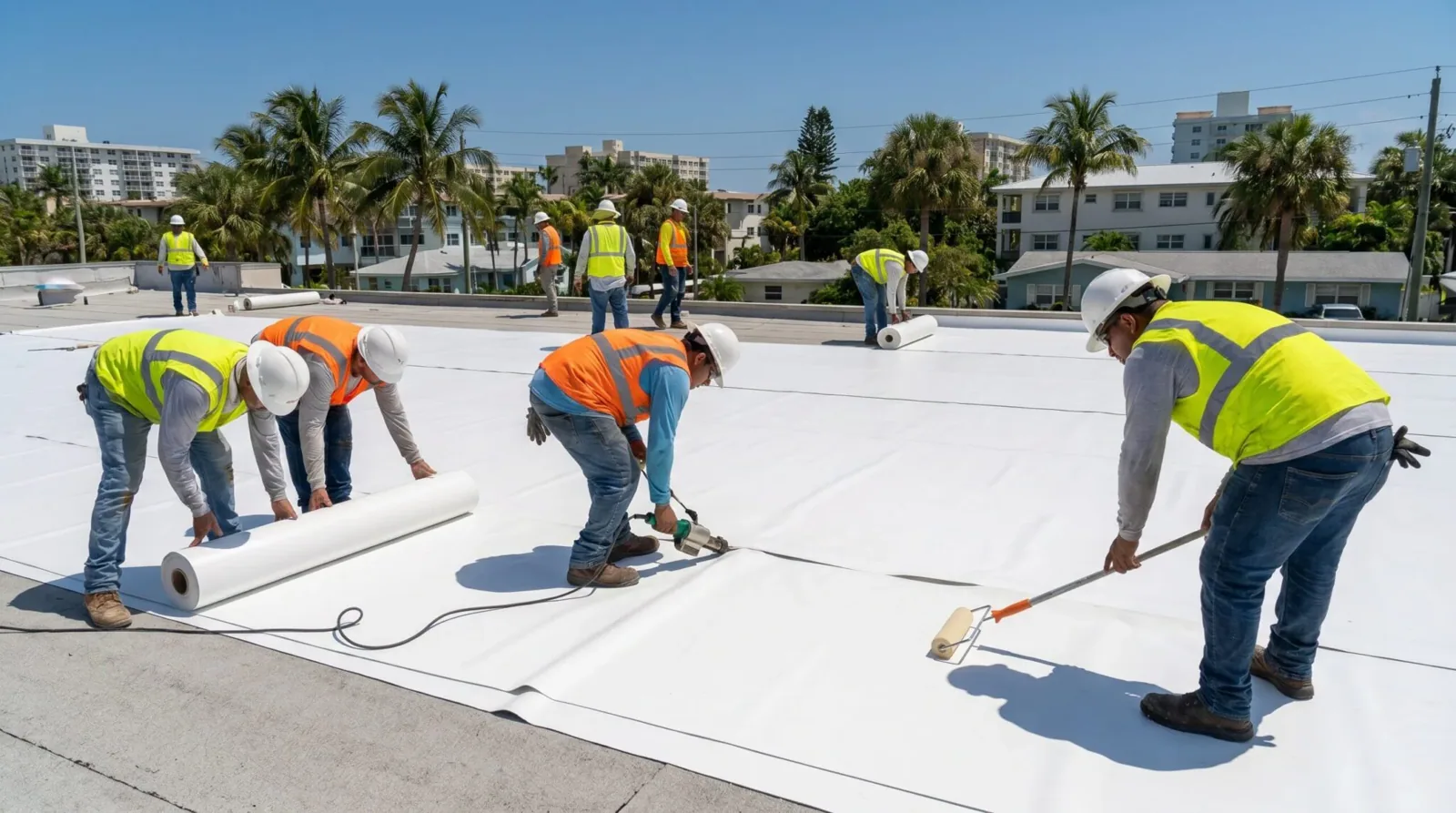
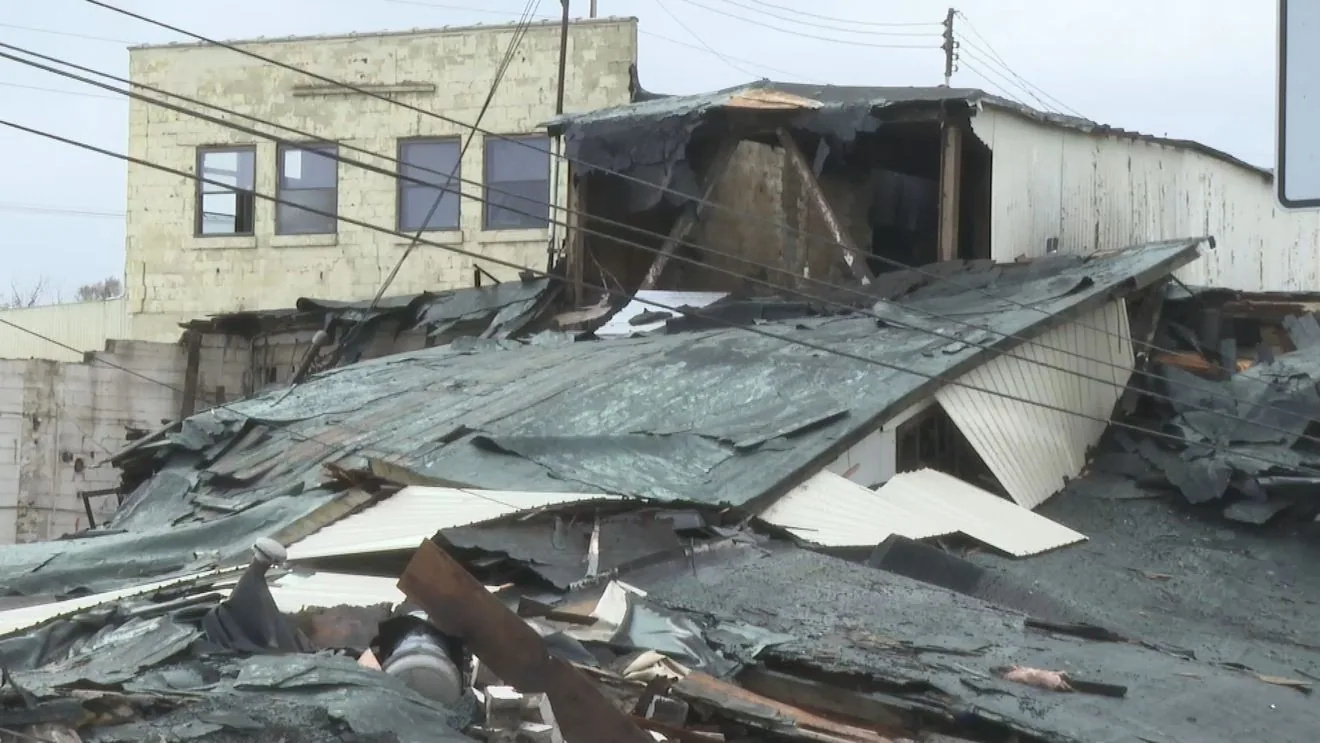
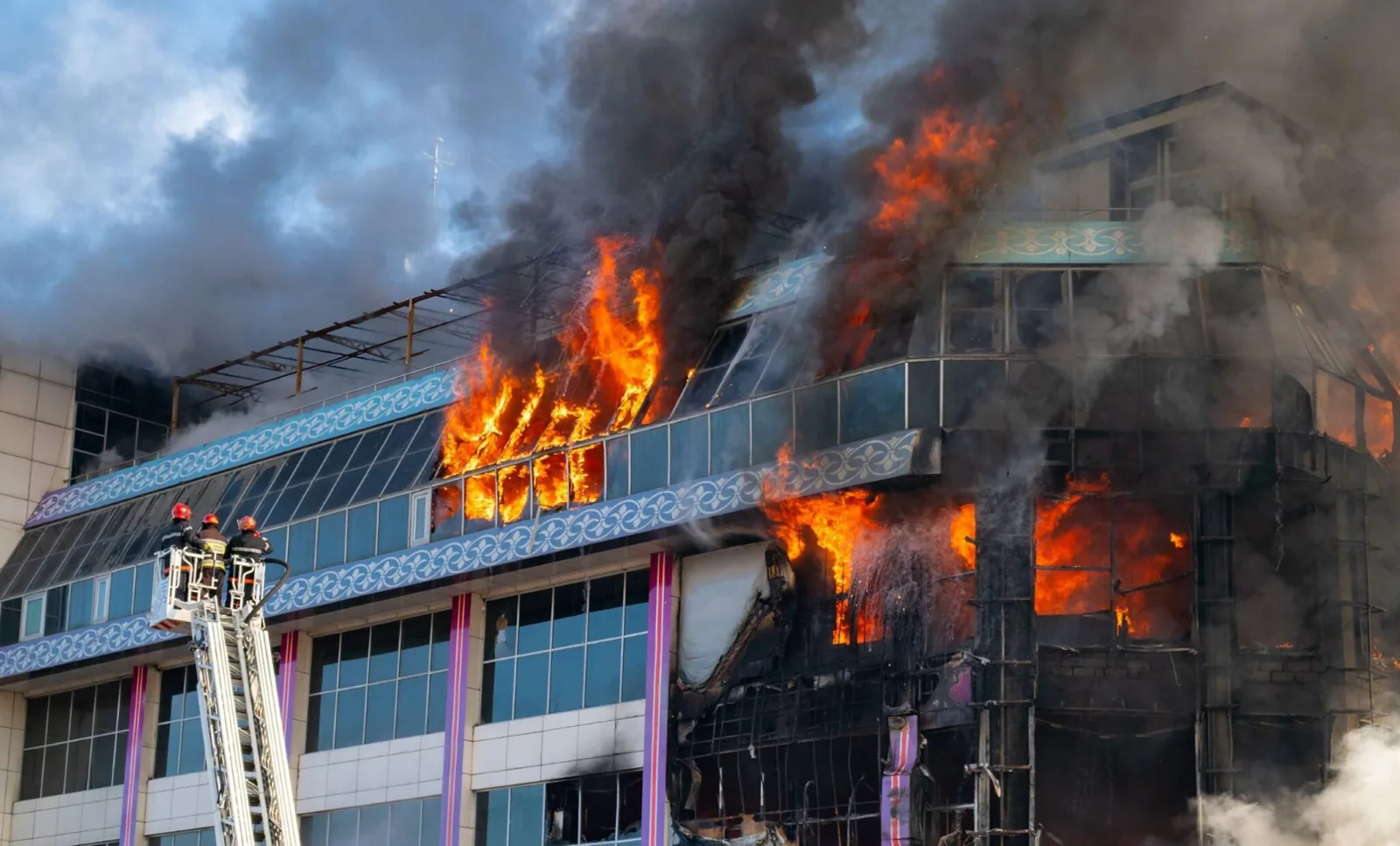
After a tornado warning or reported touchdown, the first roof question is which sections can be reached safely and what may have moved. We inspect the building envelope, locate openings, and document conditions before defining repair boundaries. On a reported touchdown, the inspection starts with safe access, current roof condition and water entry, then maps affected sections before defining repairs. A field sketch can organize displaced edge metal, debris strikes, punctures and interior leaks by roof section, giving the owner a clear record for urgent protection and permanent work.
Wait for Safe Access and Map the Building
Before roof access, the owner or emergency lead confirms that utilities, debris, and structural conditions allow inspection. We follow the site's safety procedures and stay within the released area. The first pass identifies building sections, roof access points, interior reports, and any exposed opening. If debris or temporary barriers prevent access, we record the limitation and return when the facility authorizes it.
Alachua County's December 2019 storm record documents a tornado near Paynes Prairie. A roof review in Archer or a Gainesville facility visit begins with the reported event date, exact address, and current site condition.
Airport access includes Waldo Road and NE 39th Avenue, and Airport Industrial Park is part of the airport property. Whether the building is near the airport or in Downtown Gainesville, its property contact confirms the approved access route and roof sections available for inspection.
Look for Openings, Uplift, and Debris Impact
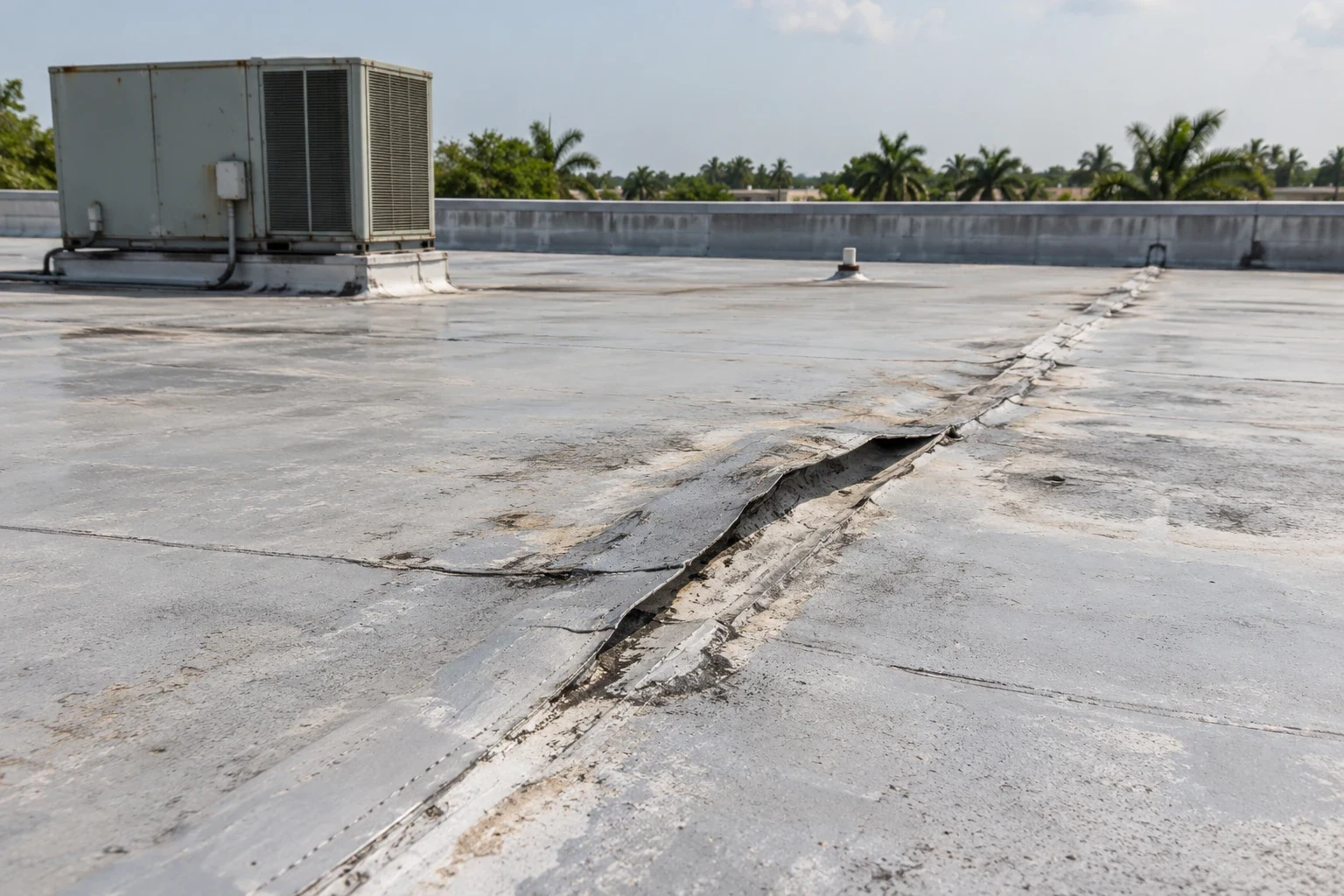
Tornado winds can affect corners, edges, wall transitions, metal panels, rooftop equipment, skylights, and membrane seams. We photograph displaced metal, pulled fasteners, punctures, shifted curbs, and debris impact with the roof section identified. The interior team can locate water, dust, or daylight reports beneath the affected area. We compare those symptoms with the roof evidence without assuming the nearest opening caused every interior issue.
Frequent thunderstorms and heavy rain make perimeter attachment, penetrations and overflow routes useful items to document after a reported event. A wind damage survey can record displaced edges and attachment, while a puncture check documents openings in the field surface.
A separate storm date should stay distinct in the maintenance file from the tornado report, particularly when a roof already had open items before the event. A hurricane roof inspection follows a different event history, even if the same roof details need review.
Cover Open Sections Before Rain Returns
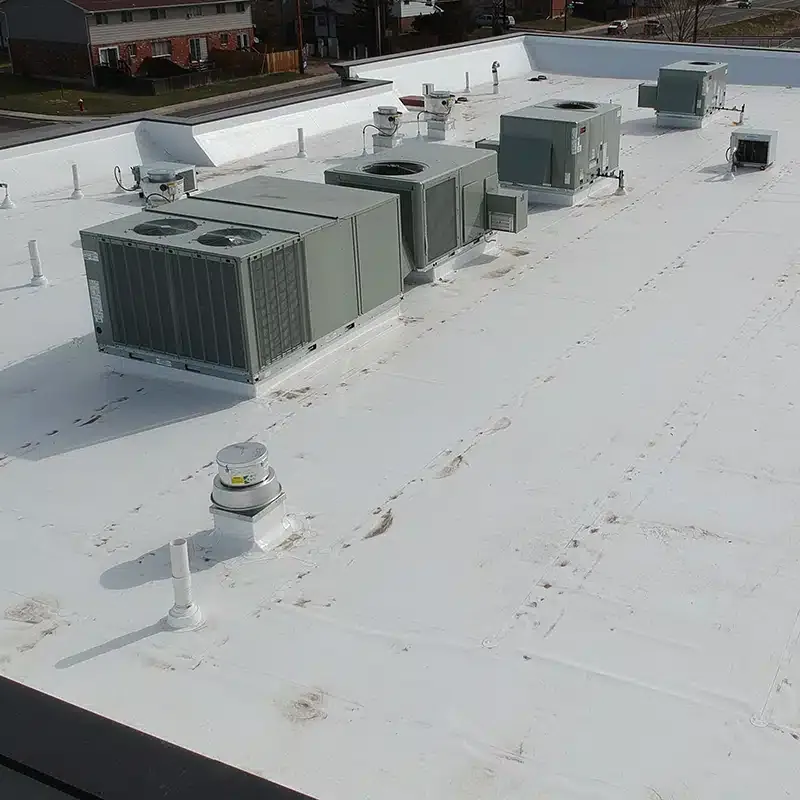
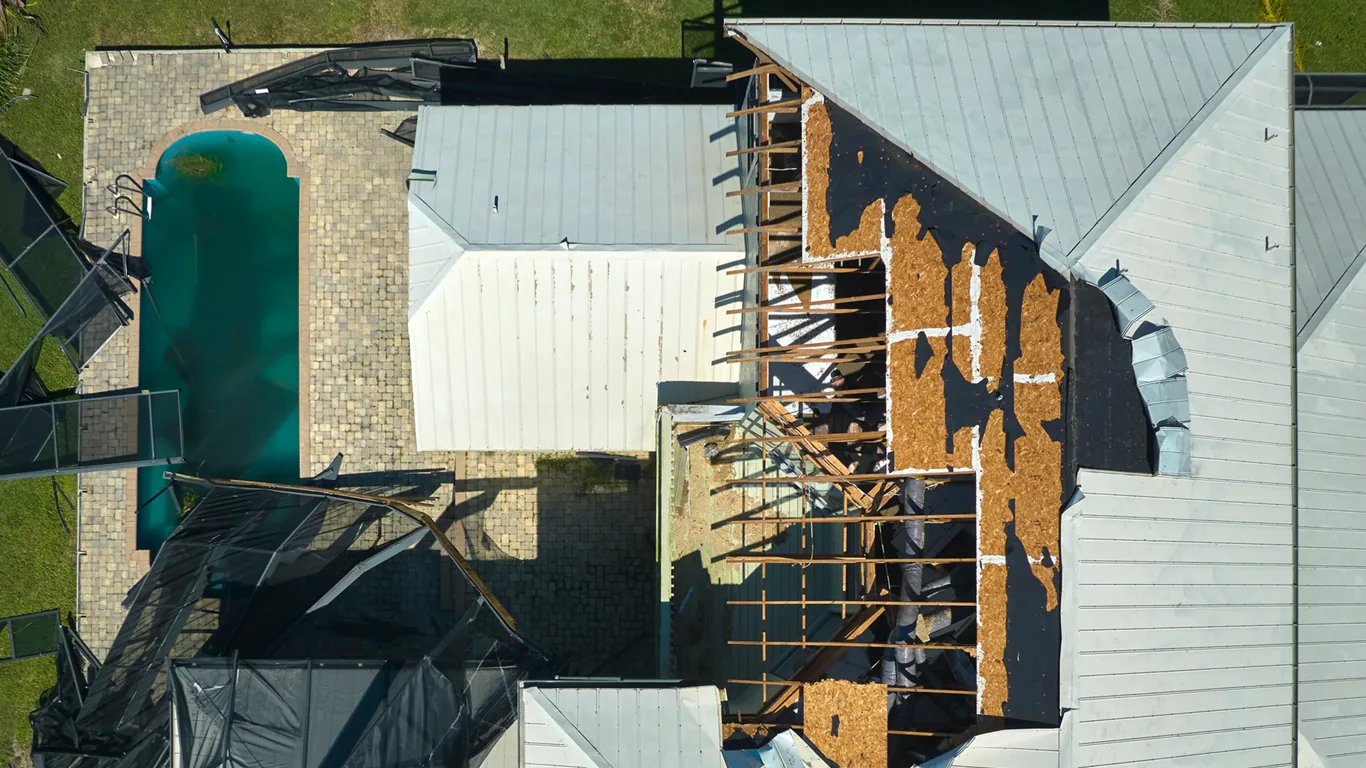
For an exposed opening, a field visit can be arranged at night or on a holiday when the site has cleared safe entry. We confirm the cleared route with the facility lead, place interior protection as requested, and close the exposed area when conditions permit. Temporary dry-in is logged by building, location, material, and date. It limits further exposure but does not confirm the insulation or deck condition around it.
Gainesville's 2025 precipitation report recorded 3.06 inches over a 24-hour period. After a tornado event, subsequent rain can reach an opening that was not visible from the ground. We keep drains open, inspect the temporary tie-in, and note which roof area remains under observation. If the structure is not yet cleared, the facility's safety team controls timing and access.
For a multi-tenant building, the property contact identifies occupied rooms, customer routes, deliveries, and areas that must stay isolated. We coordinate temporary protection and any lift placement around those routes. If a larger section is open, the handoff tells the site manager who will check the cover after rain and what condition requires another call. A storm response review can keep that temporary record beside the permanent repair plan. For a critical room below, the manager can identify equipment, records, or operations that need a separate protection plan. We note which interior precautions were directed by site staff and keep those actions distinct from the roof repair quantity.
Set Repairs From the Verified Damage Boundary
A local repair can restore an edge, panel, seam, or punctured membrane when surrounding materials remain sound. If debris has damaged the deck, attachment, or insulation across a larger zone, the scope may require section replacement. Test openings help establish the wet-material boundary, while a structural specialist addresses roof framing or load concerns. We document the damage extent and separate roofing quantities from engineering or interior restoration decisions.
A coating or recover may not suit an assembly with widespread impact, loose attachment, or water trapped below the surface. Replacement may include deck work, insulation, edge metal, and multiple penetrations. A flashing failure repair covers separated transitions, and a drainage assessment addresses low areas or blocked outlets. The project scope lists each item separately and states what remains uncertain. If an owner compares bids, the same building and roof-section boundaries should be used in each estimate. We identify temporary work, permanent materials, and any test-dependent quantity as separate line items so review reflects what has been confirmed.
Permit and structural-review requirements depend on the observed damage and proposed scope. The written repair plan identifies any question that needs confirmation by the authority having jurisdiction or a qualified engineer. Cost and schedule depend on safe access, debris removal, testing, material availability, and weather conditions.
A multi-section inspection should give the owner a readable sequence for recovery. We mark each building or roof zone as accessible, temporarily protected, repaired or awaiting additional evaluation, then tie photographs to those locations. A roof that appears intact from a distant view may still need close inspection at edges, equipment supports and seams where components changed position. If debris obstructs a section, the report records the boundary that could not be examined and the condition needed before a return visit. The repair estimate can then separate emergency labor and materials from permanent membrane or metal work. Where framing or deck stability is uncertain, roofing work pauses until the designated structural professional clears the area. These handoffs keep crews within the approved work zone and help facility staff maintain operations around sections that have been released.
Document the Inspection Limit and Repair
The closeout record names the property, event date, buildings and roof sections inspected, photos, materials installed, temporary protection, and open questions. For a multi-building response, the summary can list each address and roof section, temporary protection, confirmed quantities and unresolved testing separately. The facilities lead can assign follow-up visits without treating an inaccessible area as cleared. It identifies inaccessible areas, what additional access is needed and which sections remain for follow-up, giving the owner a clear handoff after the initial survey. The owner can tie roof conditions to the incident and future maintenance records.
For a Gainesville tornado-damage inspection, provide the property address, event timing, roof plans, interior reports, site safety contact, access clearance, and any temporary cover details. We will inspect released areas, document observed damage, and prepare a measured scope that identifies remaining tests or access needs.
Frequently Asked Questions
Can a roofer inspect before the building is cleared after a tornado?
The site must be released for safe roof access first. We follow the property or emergency lead's restrictions and note sections that remain unavailable.
Does the Paynes Prairie tornado establish damage at my property?
The event record places a tornado near Paynes Prairie in Alachua County. At your building, we inspect released roof sections and document observed movement, openings and water paths.
How do you handle debris-covered roof areas?
We inspect only where access is safe and authorized. The report identifies debris locations, any damage visible around them, and sections that need clearing or a return visit.
Can temporary protection be installed before the full scope is known?
Yes, when access and conditions permit. We document the temporary measure and return to test insulation, deck, or attachment before pricing permanent repairs.
Related Roofing Work
Request a Gainesville Tornado Roof Assessment
Share the address, event date, roof plans, interior reports, site safety contact, access clearance, and temporary protection details. We will inspect approved areas and prepare measured repairs with access limits documented.